
NTSA Instant Fines 2026: Comprehensive Guide to Traffic Penalties and Payment Procedures


Image: KBC
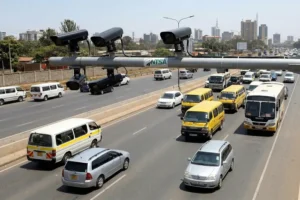
The landscape of road safety enforcement in Kenya underwent a paradigm shift in 2026 with the introduction of the modernised Minor Traffic Offences framework. Managed by the National Transport and Safety Authority (NTSA), this digital framework represents a move toward automated, data-driven traffic law enforcement.
Understanding these rules is no longer optional for the modern Kenyan motorist, as with smart cameras and digital license integration, traffic accountability is now instantaneous, leaving little room for error.
Also Read: Smart Driving License Enrollment Kenya Huduma Centre Mass Rollout Strategies
The Digital Enforcement Framework
At the core of this system is the integration of high-resolution traffic surveillance and the new polycarbonate Smart Driving License. This license features an embedded microchip that acts as a digital ledger for every driver.
It records your history, tracks demerit points, and stores payment records for any violations. For drivers, this means that every minor infraction contributes to a long-term profile that insurance companies and transport authorities can access.
Current Legal Status: Navigation Through Regulatory Shifts
In March 2026, the NTSA initially launched an “Instant Fines” model. However, following legal challenges regarding data privacy and constitutional due process, the High Court issued a temporary suspension.
As of June 2026, the Authority has pivoted to a structured “Minor Traffic Offences” enforcement framework under Sections 117 and 117A of the Traffic Act. This framework is designed to be more constitutionally resilient, ensuring motorists have clear notification, rights to dispute, and digital traceability. Motorists should view this not as a “dead” system, but as an evolving regulatory reality that prioritizes digital compliance.
NTSA Minor Traffic Offences Schedule: 2026 Breakdown
The system uses a tiered approach to penalties, where the fine is proportional to the severity of the infraction. Below is a reference schedule for common offences under the current enforcement guidelines.
| Traffic Offence | Penalty (KES) |
| Speeding (6–10 km/h over limit) | 500 |
| Speeding (11–15 km/h over limit) | 3,000 |
| Speeding (16–20 km/h over limit) | 10,000 |
| Using mobile phone while driving | 2,000 |
| Failure to wear seatbelt | 500 |
| No valid inspection certificate | 10,000 |
| Driving without valid license | 3,000 |
| Driving on pedestrian footpath | 5,000 |
| Failure to carry safety triangles | 2,000 |
| Incorrect display of license plates | 10,000 |
The Demerit Points Mechanism
Beyond monetary fines, the system utilizes a demerit point mechanism. When you commit a traffic offence, not only are you fined, but points are added to your digital record.
Accumulating too many points can trigger an automatic flag on your license. This could lead to a temporary suspension of driving privileges or mandatory attendance at traffic safety sensitization programs. It is designed to act as a deterrent for habitual offenders who previously viewed fines as a mere “cost of doing business.”
Also Read: Rio Ferdinand To Open International Doors For Arusha Through AFCON 2027
Payment Procedures and Compliance Timelines
Once a notification is triggered—usually via SMS to your registered mobile number—the clock starts ticking.
-
Notification: You receive an alert detailing the offence, the penalty amount, and the enforcement date.
-
Payment Window: The standard period to settle the fine is seven days from the date of detection.
-
Payment Channels: Payments are routed through NTSA’s official digital channels, which include integrated mobile money platforms and designated banking partners.
-
Escalation: Failure to pay within the seven-day window triggers an automatic flag in the NTSA database. This results in accrued interest and potential obstacles when attempting to process other vehicle-related services, such as logbook transfers or license renewals.
Strategic Tips for Avoiding NTSA Fines
The most effective way to manage your interaction with the NTSA system is to ensure your vehicle and documentation are perpetually compliant.
-
Proactive Record Checks: Regularly log into your eCitizen or NTSA portal account. Do not wait for a notification; check for any outstanding flags.
-
Inspection Compliance: Expired inspection certificates are a major “low-hanging fruit” for enforcement cameras. Ensure your certificate is current.
-
Vehicle Integrity: A common oversight is the condition of license plates. If your plates are faded, obstructed, or damaged, they can trigger an automatic fine of KES 10,000.
-
Safety Gear: Ensure your reflective triangles are present and that all seatbelts—front and back—are functional.
The Evolution of Kenyan Road Safety
The transition to a digital system is designed to remove human interaction from traffic stops, which historically led to inconsistencies in enforcement. While the legal landscape is still refining, the direction of the transport sector is clear: automation is the future.
By maintaining a clean record, drivers can avoid the stress of escalating penalties. As the NTSA continues to refine its infrastructure, expect further integration with other government services. For the professional driver and the everyday commuter, the “Smart License” era is not just about regulation—it is about a fundamental change in how we perceive road safety and personal responsibility in the 2026 digital age.