
KD Plate Standoff: How New NTSA Enforcement Is Halting Mombasa Car Deliveries

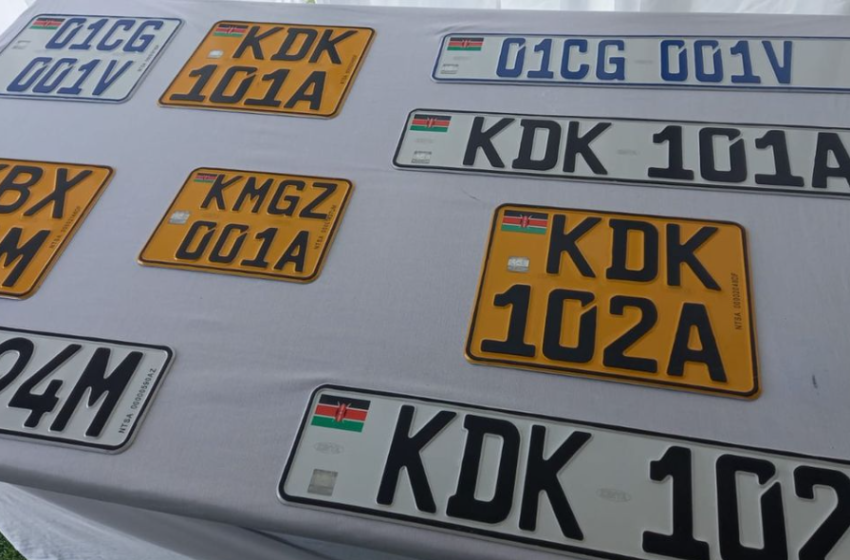
A major logistical crisis is unfolding at the Port of Mombasa and surrounding Container Freight Stations (CFS). A quiet digital update introduced by the National Transport and Safety Authority (NTSA) has brought the movement of thousands of imported transit and showroom vehicles to a sudden halt.
The friction centers around the enforcement of Section 24 of the Traffic Act, combined with strict modifications made to the NTSA’s digital portal. The changes target the long-standing use of Kenya Dealer (KD) number plates. These red-and-white plates are the traditional lifeblood of vehicle logistics along the Northern Corridor.
Historically used as temporary tags to ferry cleared imports from coastal port facilities to showrooms and buyers in Nairobi and across East Africa, KD plates are facing an unprecedented regulatory squeeze. Local automotive traders argue the enforcement has turned into an outright embargo on traditional vehicle transport methods. The result is spiraling storage costs, broken delivery timelines, and standard delivery networks pushed to the brink of collapse.
Also Read: Why Kenya Has One of Fastest Growing Digital Workforces in Africa
Digital Gatekeeping: Inside the System Changes
The logistical bottleneck stems directly from an administrative directive issued by the NTSA. The authority quietly tightened the digital parameters required to secure a vehicle movement permit. Under the revamped protocol, the NTSA portal mandates a strict, three-way match before any temporary transit clearance is issued.
First, the system requires a validated customs import entry number. Second, it demands the corresponding dealer license credentials. Finally, it checks for verified importer data pulled directly from the Kenya Revenue Authority (KRA) Customs platform. The system enforces a rigid condition: KD plates can only be generated for and attached to vehicles actively registered under an authorized dealership’s commercial name.
When a vehicle arrives at the port and clears customs, the NTSA portal verification is triggered automatically. The system performs its check on the customs import entry number, the validated dealer license, and the registered importer identity. If the importer is an individual rather than a licensed corporate dealer, a system lockout occurs immediately. This result means the KD plate permit is denied, leaving the vehicle stranded at the CFS facility.
This digital alignment aims to eliminate the historical loophole where licensed dealers leased out physical KD plates to third-party brokers, individual buyers, or logistics firms for unmonitored road trips. By requiring the customs documentation to match the specific dealer account on the NTSA portal, the regulator effectively isolated thousands of vehicles imported by individual buyers or unregistered independent brokers.
Because an individual importer does not possess a commercial dealer’s license or dedicated access to the NTSA backend, the system blocks the generation of transit permits. This locking mechanism leaves cleared, road-worthy cars legally stranded inside port infrastructure, unable to move a single meter onto public roads using traditional dealer tags.
Logistical Implosion at Port and CFS Yards
Mombasa’s automotive ecosystem relies heavily on fluid, high-velocity movement. When vehicles linger in transit yards, storage fees accumulate exponentially. The Independent Car Dealers Association reports that the policy shift has disrupted the typical multi-car vehicle carrier strings and individual ferry convoys that keep storage yards operational.
Vehicles that previously cleared customs and exited the port within hours under a dealer’s general license are now subject to extensive administrative delays. This friction has extended average port-to-showroom transit windows from less than 48 hours to upwards of two to three weeks.
Beyond the delayed handovers to anxious clients, dealers are facing steep daily demurrage charges and storage penalties from private CFS operators. These operational costs rapidly erode the tight profit margins of independent vehicle traders. Compounding the financial hit is a mandatory requirement that any vehicle utilizing a KD plate must carry comprehensive commercial insurance. This effectively outlaws the more affordable short-term third-party transit covers that dominated the industry for decades.
The financial pressure compounds every 24 hours. In Mombasa, private Container Freight Stations operate on strict tariff scales. After the initial free storage days expire, the charges per vehicle escalate in tiers. For standard saloon cars and compact SUVs, these penalties can range from $30 to $100 per day. When a dealer has a consignment of twenty or thirty vehicles locked behind a system error, the daily losses become unsustainable, threatening the financial survival of small and medium enterprises.
Enforcement Crackdowns and Transit Bottlenecks
The regulatory shift is no longer confined to digital portals. It has spilled over into an active, nationwide roadside enforcement campaign. Led by NTSA compliance units and traffic police officers, law enforcement has established major checkpoints along the Mombasa–Nairobi Highway, with prominent enforcement nodes at Mariakani, Voi, and Mtito Andei.
Dozens of drivers ferrying newly imported units under validly purchased KD plates have been intercepted, arrested, and had their vehicles impounded. Police are enforcing strict operational limitations outlined under the Traffic Act, which mandate that dealer plates can only be driven by verified directors of the licensed dealership or documented employees directly listed on the dealer’s NTSA profile.
The journey starts at Mombasa Port and proceeds via the main highway until vehicles hit the Mariakani or Mtito Andei checkpoints. For transport that complies with the new system match, vehicles are allowed to proceed to Nairobi without issue. However, for any transit that fails the system match or driver profile checks, the driver is arrested on the spot and the vehicle is impounded immediately.
The strict enforcement effectively ends the common industry practice of hiring freelance transit drivers to move blocks of vehicles upcountry. Independent traders note that even when they pay the annual Sh37,000 fee per KD plate, the physical plates are rendered useless on the highway if the driver cannot prove a direct corporate link to the importing entity or if the car is registered to an individual client’s name.
This enforcement strategy has transformed the main transport vein of the country into a legal minefield for logicians. Drivers who have spent decades moving vehicles safely across the country suddenly find themselves locked in police cells, while millions of shillings worth of automotive property sits unguarded in transit police yards. The psychological toll on the workforce is immense, leading many experienced drivers to decline transit contracts entirely.
Deep Dive into the Individual Importer Loophole
The most critical operational failure within the new NTSA digital architecture involves the treatment of individual importers. In the Kenyan automotive market, a substantial percentage of vehicles are not bought off the floor of a local showroom. Instead, middle-class professionals, returning diaspora citizens, and small business owners source vehicles directly from international auction platforms in Japan, the United Kingdom, and the United Arab Emirates.
To protect their financial investment and ensure clean title ownership from day one, these individual buyers list their personal names and national identification numbers on the bill of lading and subsequent customs entry documentation. This is a vital step for securing bank financing and asset-backed loans, as local commercial banks require the asset to be tied directly to the borrower during the customs clearance phase.
When these vehicles touch down at the Mombasa port, they are fully cleared by the Kenya Revenue Authority after all relevant import duties, excise taxes, and railway development levies are paid. However, once the taxman opens the gate, the vehicle enters a legal vacuum created by the NTSA. The vehicle is ready for the road, but it lacks physical, permanent registration plates.
Under the previous regulatory regime, an independent dealer or clearing agent would attach their official KD plate to this vehicle. They would log into the portal, pay the nominal transit permit fee, and legally drive the car to Nairobi, where the final registration process would be completed at the buyer’s convenience. This allowed the port to remain clear and allowed buyers to receive their vehicles without unnecessary delays.
Now, the NTSA portal views this transaction as a violation. When the dealer enters the customs entry number into the system to generate the mandatory movement permit, the portal runs an automated cross-reference check against the KRA database. The system sees that the importer of record is “John Doe” (an individual), while the account attempting to generate the permit belongs to “XYZ Motors Limited” (a corporate dealer).
Because the names do not match, the portal flags the transaction and blocks the generation of the digital QR-coded permit. The system offers no manual override option for independent agents. It operates on a binary logic path: if the importer name does not match the dealer account name perfectly, the vehicle is locked out of the temporary transit ecosystem entirely.
This leaves the individual importer with only one legal alternative: they must leave the vehicle parked inside the expensive CFS yard while they apply for permanent registration plates and wait for the physical logbook to be printed and dispatched from Nairobi. This process historically takes anywhere from two weeks to a month, depending on bureaucratic backlogs and number plate blank availability.
The Policy Debate: Revenue Targets vs. Trade Realities
The ongoing standoff highlights a deeper tension between national fiscal targets and practical trade logistics. The Independent Car Dealers Association has raised concerns over how the government plans to protect business investments while enforcing policies that restrict commercial flow.
| Metric | Historical Framework | Current NTSA Framework | Impact on Trade |
| System Validation | Open generation using general dealer credentials | Rigid matching of Customs Entry, Dealer ID, and Importer Name | System lockouts for cars imported by individuals or third parties |
| Permissible Drivers | Hired transit drivers and freelance logistics agents | Documented dealership directors and verified employees only | Widespread highway arrests, vehicle impoundments at key transit towns |
| Insurance Mandate | Short-term third-party transit coverage | Mandatory comprehensive commercial insurance | Increased upfront logistics cost per vehicle unit |
| Exit Prerequisite | Exit on temporary transit tags; register at final destination | Full registration, logbook, and physical plates required before CFS exit | Extended turnaround times, rising demurrage and CFS storage fees |
The automotive import sector serves as a vital component of national revenue collection and job creation, supporting thousands of clearing agents, transit drivers, mechanics, and sales professionals. Dealership leaders argue that while the NTSA’s stated goals of curbing vehicle theft, preventing tax evasion, and regulating unregistered assets are valid, the sudden implementation of these digital rules has overlooked critical business realities.
Forcing every imported car—including those already assigned to individual buyers—to wait for full registration, physical number plate production, and formal logbook issuance before leaving the port gate has created an unsustainable administrative backlog at central processing points.
From an administrative standpoint, the NTSA defends these measures as a necessary step toward national security and revenue protection. In previous years, the loose regulation of KD plates allowed rogue elements to run parallel transport networks. Unregistered vehicles were frequently driven across borders into neighboring East African countries without paying local duties, or worse, used in criminal enterprises where tracking the identity of the driver or owner was nearly impossible. The regulator views this digital locking mechanism not as a business bottleneck, but as a long-overdue security wall designed to bring total accountability to the transport sector.
Broad Economic Ramifications Along the Northern Corridor
The effects of this regulatory stalemate are rapidly expanding beyond the coastal town of Mombasa. The Northern Corridor, which connects the Port of Mombasa to landlocked East African economies including Uganda, Rwanda, South Sudan, and the Democratic Republic of Congo, relies on predictable, uninterrupted automotive transit. While transit vehicles destined for foreign markets technically utilize different plate regimes (such as the KA and KG transit series), the general disruption of logistics management within the Container Freight Stations has created a massive administrative drag across all sectors.
Local vehicle transport companies often mix local deliveries with regional transit assignments to optimize their fleets. With drivers facing regular arrest and units being impounded over documentation mismatches, vehicle carrier firms are scaling back operations. This reduction in transport capacity has led to a shortage of available multi-car carriers, causing delivery delays for regional transit vehicles as well.
Furthermore, the local banking sector is watching the gridlock with growing concern. A significant portion of car imports are funded through asset finance facilities, where banks provide short-term loans to dealers and individuals to clear units from the port. These loans operate on tight turnaround models, assuming the vehicle will be moved to a showroom and sold within 30 to 45 days.
As cars remain stuck inside port holding yards, racking up storage costs that threaten to eclipse their market value, the risk of loan defaults rises. Financial institutions are beginning to tighten credit facilities for independent car importers, a move that could significantly reduce the volume of vehicle imports and impact overall customs revenue collection for the state.
Also Read: 5 Most Stylish Smartphone Brands in Kenya That Define Your Digital Presence
Seeking a Regulatory Compromise
The Independent Motor Vehicle Dealers Association is pushing for an emergency consultative framework with the NTSA, the Kenya Revenue Authority, and the Ministry of Roads and Transport. Industry leaders are advocating for a balanced compliance model that maintains strict digital tracking without freezing the logistics chain entirely. Proposed adjustments include:
-
Decoupling the Customs Entry Link: Modifying the NTSA portal backend to allow licensed dealers to legally enter custom entry numbers for individual clients, creating a traceable proxy transit permit that maintains accountability while releasing the vehicle.
-
Introducing an eCitizen Transit Permit: Creating a specific, short-term digital transit permit tier accessible directly to individual citizens via the eCitizen platform, allowing them to move their cleared vehicles legally without relying on a corporate dealer profile.
-
Declaring an Administrative Amnesty: Granting a temporary 30-day waiver to clear the existing backlog of individual imports currently stranded at CFS yards, pausing storage fees while a long-term software solution is deployed.
Until the NTSA and automotive stakeholders can align on a digital and legal framework that balances security with operational speed, the Mombasa vehicle transit pipeline remains severely constrained. For the time being, the journey from the port to showrooms upcountry remains blocked by a system lock.