Globalizing Heritage: How Diaspora Festivals are Shaping Kenyan Soft Power


Images: Ngemi Cia UK
Cultural festivals have evolved into the vital heartbeat of modern social infrastructure in Kenya and among these, the Ngemi festival stands out as a unique phenomenon that bridges the gap between ancient Agikuyu traditions and contemporary urban life.
Deriving its name from the five ululation blessings traditionally bestowed upon a child at birth, Ngemi represents more than just music and dance. It functions as a vessel for communal memory and a deliberate pushback against the erosion of indigenous identity. As the brand eyes global expansion through events like the Ngemi Cia UK Homecoming, it is redefining how Kenya exerts soft power on the world stage.
Also Read: Kenya Biggest Entertainers Who Became Smart Entrepreneurs
Defining the Ngemi Phenomenon
The festival’s rapid ascent from its inaugural event in August 2024 to a multi-county series is a study in organic community building. By focusing on cultural specificity rather than generic pop-culture trends, organizers have tapped into a deep-seated desire among the youth to “return to the source.”
The event creates an immersive ecosystem. Attendees do not just consume entertainment; they participate in a curated experience that includes traditional cuisine and fashion that functions as visual storytelling. This “return to roots” is not merely nostalgic; it is a strategic effort to reclaim an identity often diluted by colonial education and globalized media.
| Feature | Local Edition (Kenya) | UK Homecoming Edition |
| Primary Goal | Cultural rediscovery | Diaspora connection |
| Target Audience | Gen Z and Millennials | Global Kenyan Community |
| Key Attraction | Intergenerational bonding | Cultural homecoming |
Scaling Heritage in the Digital Age
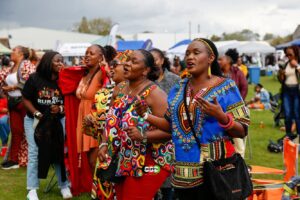
Scaling an event built on intimacy is the biggest challenge for the Ngemi brand. As audiences grow, the temptation to pivot toward mass-market commercialization remains a significant threat to the festival’s authentic appeal.
However, the introduction of the Ngemi Seniors experience demonstrates a sophisticated approach to audience segmentation. By designing specific experiences for the 45+ demographic, organizers are effectively capturing the entire cultural lineage of the Agikuyu people. This intergenerational strategy ensures that the festival remains a “Legacy in Motion”—a living archive where elders pass down values while the youth infuse them with modern energy.
Also Read: Rio Ferdinand To Open International Doors For Arusha Through AFCON 2027
The Role of Digital Transformation
As a digital publisher, you understand that search metrics are the pulse of modern relevance. The “Ngemi” keyword isn’t just trending because of the music; it is trending because the content around it mirrors the community’s shift toward digital preservation.
By tracking crawl velocity and engagement metrics for these keywords, you are doing more than reporting; you are mapping the cultural geography of modern Kenya. The ability to pivot content strategy based on real-time audience engagement—moving from event updates to deep-dive cultural analysis—is what distinguishes premium digital publishers from standard news aggregators.
The Diaspora Connection: Ngemi Cia UK 2026
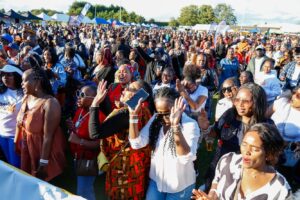
The Ngemi Cia UK Homecoming Festival, scheduled for August 29, 2026, in Kenilworth, represents a strategic expansion of cultural diplomacy. For the diaspora, these festivals are more than holidays; they are vital touchpoints for identity and belonging.
Events of this magnitude provide Kenyan entertainers with a global stage. By moving these performances into the international sphere, the festival actively contributes to Kenya’s soft power, showcasing the nation’s artistic talent to a broader audience. This diaspora-homeland bridge is crucial for modern development, facilitating financial remittances, skill sharing, and the mobilization of resources that benefit local communities back in Kenya.
Economic and Social Drivers
The economic impact of the festival extends well beyond simple ticket sales. It stimulates local tourism, supports small-scale vendors, and provides a platform for Kenyan creatives to professionalize their craft.
Festivals function as engines of economic activity. They create income streams across multiple layers of the value chain:
-
Direct Impact: Artist fees, logistics staffing, and vendor revenue.
-
Indirect Impact: Supply chains including catering, staging, and local transport providers.
-
Induced Impact: Increased spending by attendees in the host town’s hospitality and retail sectors.
Government and private sector support for such festivals remains essential. When cultural events are integrated into urban planning and tourism strategies, they do more than entertain; they foster social cohesion and strengthen the nation’s cultural fabric.
Comparative Analysis: Beyond the Festival Model
Unlike the globalized, state-led tourism campaigns of the past, the Ngemi model is decentralized. Contrast this with the rise of South Africa’s Amapiano or Nigeria’s Afrobeats. While state initiatives often suffer from “staged authenticity,” the Ngemi brand succeeds because it is community-owned.
For Kenya, this represents a new form of “Cultural Exports 2.0.” The focus is not on trying to mimic foreign formats but on perfecting a uniquely Kenyan cultural product that is “born local but designed global.” This is the core of modern soft power.
Governance, Policy, and Intellectual Property
As these festivals grow, the need for robust intellectual property (IP) frameworks becomes critical. Copycat events often threaten the brand equity of original festivals. Protecting the “Ngemi” trademark and standardizing the event curation process is not just a legal necessity—it is a survival strategy for the creative economy.
Effective governance also means institutionalizing the way these festivals interact with local authorities. By formalizing their contribution to tourism and employment, organizers can advocate for tax incentives, infrastructure support, and better security, moving from “event management” to “industry development.”
Also Read:5 Most Followed Kenyan Celebrities on Instagram Driving Digital Influence in 2026
Future of Kenyan Cultural Tourism
Looking ahead, the success of the Ngemi brand will depend on its ability to maintain production integrity while expanding its footprint. The “Legacy in Motion” theme for the 2026 season suggests a shift toward long-term sustainability rather than short-term hype.
As digital platforms continue to shrink the globe, festivals like Ngemi will remain at the forefront of the movement to digitize and globalize heritage. By keeping the community at the center of the experience, the brand ensures its relevance for generations to come. The goal for 2026 and beyond is clear: to ensure that while the festival goes global, its heart remains firmly rooted in the soil of the Mount Kenya region.