Kenya Motor Vehicle Inspection Overhaul: Economic Impact, Infrastructure Capacity & Policy Dynamics Explained

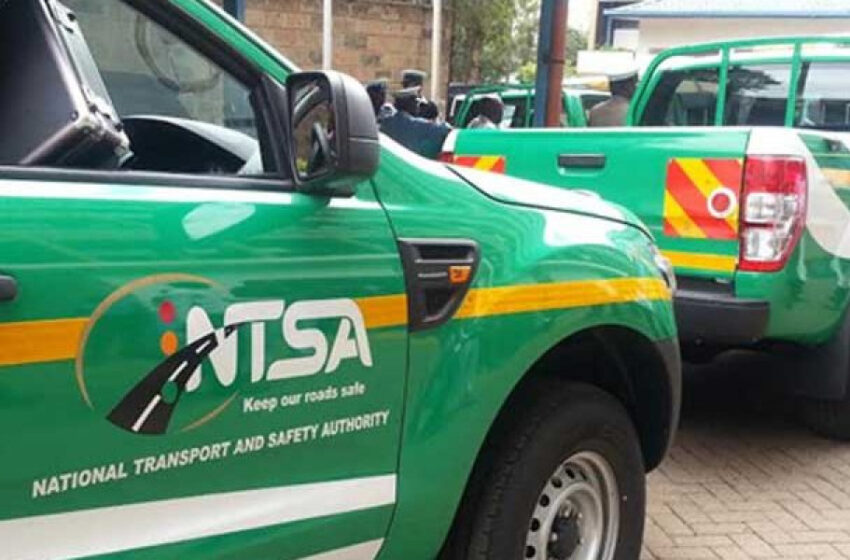
The Ministry of Transport alongside the National Transport and Safety Authority (NTSA) is moving forward with plans to enforce mandatory annual inspections for private motor vehicles. Under the new framework, private cars older than four years must undergo a comprehensive mechanical and safety review starting July 1. Such a shift represents a major structural change in how Kenya manages its domestic fleet, which now exceeds six million registered units nationwide.
Public discussion surrounding the policy has intensified dramatically over recent weeks, highlighting deep concerns about economic timing and regulatory readiness. Motorists across the country are already navigating rising fuel prices, increased insurance premiums, and a high cost of living. Evaluating the fiscal implications, operational preparedness, and political debate surrounding the new inspection framework reveals a complex intersection of public safety and economic reality.
Also Read: Rio Ferdinand To Open International Doors For Arusha Through AFCON 2027
Understanding the Legal Framework and New Inspection Fees
The mandate for annual inspections remains grounded in existing statutory provisions within the Traffic Act, which successive administrations have sought to fully enforce. Recent amendments to these regulations aim to standardize compliance across various vehicle categories that previously operated under less stringent guidelines. Motorcycles and private saloon cars, which historically faced less regulatory scrutiny than commercial transport assets, are now fully integrated into the program.
Under the updated fee structure, motorists will pay a total of Ksh.2,000 per inspection cycle. The statutory fee is divided into a Ksh.1,000 booking charge and a Ksh.1,000 inspection fee. Beyond standard private vehicles, the rules apply strictly to locally assembled units, vehicles returning to the road after major accidents, and those with structural modifications.
Projected Annual Revenue Collection
| Vehicle Category | Base Inspection Fee (Ksh.) | Booking Fee (Ksh.) | Combined Total Cost (Ksh.) |
| Private Motor Vehicles (>4 Years) | 1,000 | 1,000 | 2,000 |
| Motorcycles and Three-Wheelers | Variable Rate | 1,000 | Sub-Total Calculated |
| Commercial and School Transport | Existing Rates | 1,000 | Standard Fleet Scale |
Economic Analysis of the Ksh.12 Billion Revenue Projection
Government estimates suggest that comprehensive compliance across the transport sector could generate up to Ksh.12 billion annually for the exchequer. Such a calculation assumes that the majority of the registered fleet will fall under the active inspection criteria each year and pay the full amounts. Economists point out that the revenue would provide a significant boost to the state amid ongoing efforts to expand the domestic tax base.
Critics argue that the financial burden falls heavily on ordinary citizens already facing severe macroeconomic pressure. The additional cost joins a series of recent adjustments in fuel taxes, housing levies, and road maintenance funds. Policy experts stress that the government must clearly demonstrate how these funds will be directly used to improve road safety infrastructure rather than general budgetary support.
Estimated Revenue Breakdown Based on Fleet Compliance
The chart below illustrates the potential annual revenue generated across three distinct compliance scenarios within the domestic transport sector:
[Annual Revenue Target in Billions of Ksh.]

Compliance Level | Revenue Generated
-----------------------------------------------------------------------
Maximum (100%)   | ∎∎∎∎∎∎∎∎∎∎∎∎∎∎∎∎∎∎∎∎∎∎∎∎∎∎∎∎∎∎∎∎∎∎∎∎∎∎∎∎ 12.0 Billion
Expected (60%)   | ∎∎∎∎∎∎∎∎∎∎∎∎∎∎∎∎∎∎∎∎∎∎∎∎ 7.2 Billion
Minimum (35%)    | ∎∎∎∎∎∎∎∎∎∎∎∎∎∎ 4.2 Billion
The Infrastructure Bottleneck: Evaluating NTSA Capacity
A major question for the transport sector is whether NTSA can handle the volume of millions of vehicles without causing major delays. Historically, state-run inspection centers have faced backlogs, causing long wait times for commercial operators. Outsourcing operations to the private sector has become the primary strategy to prevent widespread gridlock at testing centers.
NTSA Director General Nashon Kondiwa stated that the agency is currently operationalizing licensed private vehicle inspection centers. The decentralized model aims to utilize private capital to expand testing lanes across all 47 counties rapidly. However, the exact number of certified private centers ready for the July 1 launch remains a point of concern for vehicle owners.
The scale of the logistics required to clear millions of cars annually requires automated systems that reduce human intervention. Without computerized diagnostics for braking efficiency, suspension wear, and exhaust emissions, manual testing centers could become structural bottlenecks. Long queues at existing hubs in major towns indicate that an immediate rollout could disrupt daily commercial activities.
Evaluating Enforcement and Compliance Windows
-
Temporary Enforcement Reprieve: Traffic law enforcement officers will not penalize drivers for non-compliance during routine checks during the initial rollout phase.
-
School and Commercial Transport: School transport operators and commercial service providers are exempt from immediate penalties as systems transition.
-
Future Communication: NTSA plans to issue formal public notices detailing the exact timelines for enforcement and compliance checks.
Political Opposition and Public Accountability
The policy has drawn sharp criticism from prominent opposition figures and civil society leaders across Kenya. Jubilee Deputy Party Leader Fred Matiang’i and Democracy for the Citizens Party (DCP) leader Rigathi Gachagua have called for a temporary suspension of the program. Both leaders argue that implementing new charges during a period of high inflation is poorly timed and insensitive to citizens.
Opponents are demanding more transparency regarding the program’s actual safety benefits before implementation begins. They want clear evidence linking annual inspections for private cars to a reduction in road accidents, which are often caused by speeding or poor road design. Concerns have also been raised about creating opportunities for rent-seeking behavior if digital monitoring safeguards are not put in place.
Public accountability remains at the heart of the ongoing resistance. Civil society groups point out that without verifiable data proving mechanical failure is a primary driver of private vehicle accidents, the program risks being perceived purely as a revenue-generating tool. Critics argue that public sensitization campaigns should have preceded the announcement to build consensus among road users.
Comparing Regional Transport Inspection Models
East African Community member states have approached vehicle roadworthiness through varying degrees of state control and private partnership. Looking at regional peers reveals that centralized inspection systems often struggle with scaling alongside rapid urbanization. Private public partnerships (PPPs) have emerged as the standard approach to maintaining safety without placing undue strain on public coffers.
In jurisdictions where private garages are licensed to issue roadworthiness certificates, rigorous auditing by state regulators is necessary to prevent corruption. Kenya faces the task of establishing an oversight mechanism that ensures independent testing centers maintain high standards. The integration of the eCitizen booking portal is a step toward minimizing physical cash handovers, which helps curb historic avenues of rent-seeking.
Looking Ahead: Safety Outcomes vs. Operational Readiness
The success of Kenya’s new vehicle inspection policy depends on clear execution and fair enforcement. If properly managed through automated private centers, the program could improve vehicle roadworthiness and lower emission levels. Achieving these goals requires balancing revenue targets with the real-world capacity of inspection infrastructure.
The authority must also address the needs of low-income vehicle owners who rely on older models for daily commutes and small business logistics. Providing a clear grace period for necessary repairs after a failed initial test could prevent pushing economically vulnerable drivers off the road entirely. Maintaining open communication with transport stakeholders will determine whether this policy improves public safety or remains a point of financial contention.