
Utumishi Girls School Parents Still Want One Thing Before Classes Resume

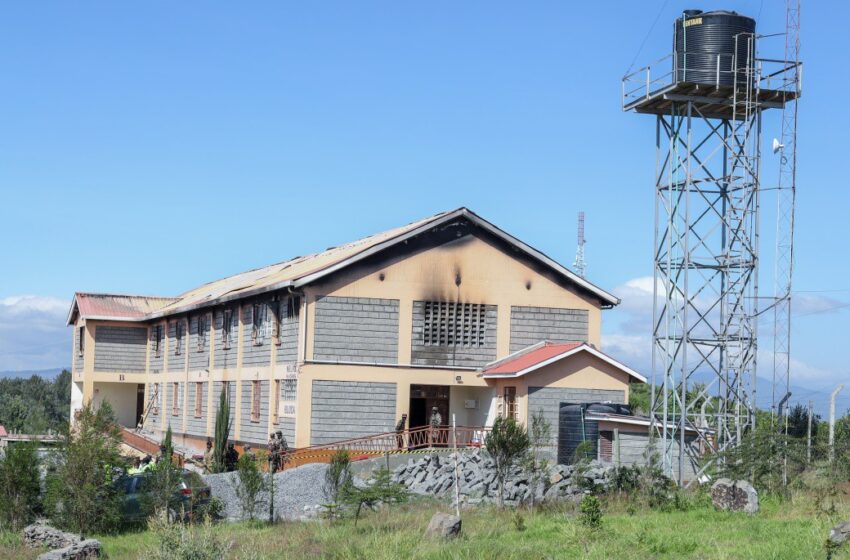
Utumishi Girls Senior School is preparing to welcome students back to class one month after a devastating dormitory fire claimed the lives of 16 learners. The phased reopening, approved by education authorities, marks an important step toward academic recovery but has also reignited national debate about the safety of Kenya’s boarding schools.
The Ministry of Education closed the Gilgil-based institution immediately after the May 28 tragedy to allow investigators to establish the cause of the fire and give affected students time to receive psychological support. School leaders now believe learning should resume, but not every parent is convinced the campus is ready.
Families whose daughters survived the incident continue to demand stronger guarantees that such a disaster will never happen again. Their concerns have shifted public attention beyond one school and toward the wider state of safety standards in Kenyan learning institutions.
Also Read: Top Comoros Official Hospitalized in Nairobi Amid Rising Tensions in Moroni
Student Resumption Timeline
| Student Group | Reporting Date | Parent Accompaniment |
|---|---|---|
| Form Four | June 30 2026 | Required |
| Grade 10 | July 2 2026 | Required |
| Form Three | July 4 2026 | Required |
School Reopening Comes After Multi Agency Review

Education officials say the decision to reopen followed consultations involving the school board, Ministry of Education representatives and members of the National Disaster Operations Committee.
Nakuru County Director of Education Victoria Mulili said students could not afford to remain out of class indefinitely because academic calendars leave little room for prolonged interruptions. Authorities also believe a phased return will allow administrators to monitor student welfare more effectively during the reopening period.
Parents have been advised to accompany their children on reporting day to ease the transition and engage directly with school administrators.
Parents Want More Than Reassurance
The reopening has not erased the painful memories left by the fire.
A group of parents recently issued an ultimatum to the school administration demanding an independent safety inspection, expanded counselling services and a detailed emergency response plan before learners fully return.
Many families argue that restoring confidence requires transparency rather than promises. They want clear evidence that buildings have been inspected, emergency exits are functional and staff members have received adequate safety training.
Key Issues Raised By Parents
| Concern | Why It Matters | Expected Outcome |
|---|---|---|
| Independent safety audit | Confirms buildings meet safety standards | Greater public confidence |
| Trauma counselling | Supports emotional recovery | Better student wellbeing |
| Emergency response plan | Improves disaster preparedness | Faster response during emergencies |
Kenya Boarding Schools Face Renewed Safety Scrutiny
The tragedy has once again exposed long-standing concerns about infrastructure and emergency preparedness in boarding schools.
Education experts say safety extends far beyond installing fire extinguishers. Boarding schools require functioning alarm systems, routine electrical inspections, regular evacuation drills and clearly marked escape routes that students can access within seconds.
Periodic maintenance also plays a critical role. Faulty wiring, overcrowded dormitories and aging buildings have repeatedly featured in investigations into school fires across the country.
The latest incident is likely to increase pressure on education authorities to strengthen enforcement instead of relying solely on compliance reports submitted by institutions.
Mental Health Recovery Will Shape Student Success
Academic recovery represents only one part of the challenge facing Utumishi Girls.
Students returning to the school are expected to carry emotional scars that cannot disappear overnight. Mental health professionals generally recommend continuous counselling for survivors, teachers and parents to help rebuild confidence within the school community.
Experts also note that trauma can affect concentration, sleep patterns and academic performance long after a crisis has ended. Consistent psychological support therefore becomes as important as rebuilding physical infrastructure.
Economic Cost Extends Beyond The School
Major school tragedies create financial consequences that reach far beyond campus gates.
Parents often incur unexpected transport and accommodation costs after emergency school closures. Local businesses that depend on students and school staff also experience reduced income during prolonged shutdowns.
Government agencies face additional expenses linked to investigations, rehabilitation, counselling programmes and infrastructure improvements.
The broader education sector also absorbs the impact through disrupted learning schedules, delayed examinations and increased operational costs.
Also Read: Rio Ferdinand To Open International Doors For Arusha Through AFCON 2027
School Safety Could Become A National Policy Priority
Education stakeholders believe the Utumishi Girls tragedy may become a turning point for school safety reforms.
Several proposals are already attracting public support, including mandatory annual safety certification, digital reporting systems for emergencies, routine electrical inspections and compulsory evacuation drills for both students and staff.
Technology could also play a larger role through smoke detection systems linked directly to emergency response centres, reducing delays during critical situations.
Proposed School Safety Reforms
| Reform | Potential Benefit |
|---|---|
| Annual safety inspections | Better compliance |
| Fire detection upgrades | Faster emergency response |
| Mandatory evacuation drills | Improved preparedness |
| Mental health programmes | Stronger emotional recovery |
| Infrastructure modernization | Lower safety risks |
Student Recovery Timeline
A structured reopening aims to balance education with recovery.
May 28
School closes after dormitory fire
        │
        ▼
June
Investigations and counselling
        │
        ▼
June 30
Form Four resumes
        │
        ▼
July 2
Grade 10 reports
        │
        ▼
July 4
Form Three returns
Building Trust Will Take Time

Reopening the school represents an important milestone, but rebuilding confidence among parents may prove to be the greater challenge.
Families are likely to judge success not by reopening dates but by the visible safety measures implemented across the campus. Transparent communication, independent inspections and continued counselling will all influence public confidence in the months ahead.
Education authorities also face growing expectations to use lessons from the tragedy to improve safety standards in boarding schools nationwide rather than treating the incident as an isolated case.
Kenya’s education system has consistently demonstrated resilience after difficult moments. The next test lies in ensuring that student safety receives the same level of attention as academic performance. Achieving both objectives will determine whether the reopening becomes a symbol of recovery or a reminder of reforms still waiting to happen.
Also Read: Top 7 Most Popular Celebrities in Kenya (2026 Updated List)
Frequently Asked Questions
Why is Utumishi Girls School reopening in phases?
A staggered resumption allows administrators to manage student arrivals, monitor welfare and continue counselling services.
Why are some parents opposed to reopening?
They want an independent safety inspection, expanded trauma counselling and a comprehensive emergency response plan before full operations resume.
What broader issues has the tragedy highlighted?
The incident has renewed debate about boarding school safety standards, emergency preparedness, mental health support and infrastructure investment across Kenya.