NTSA Vehicle Inspections Could Save You More Money Than You Think

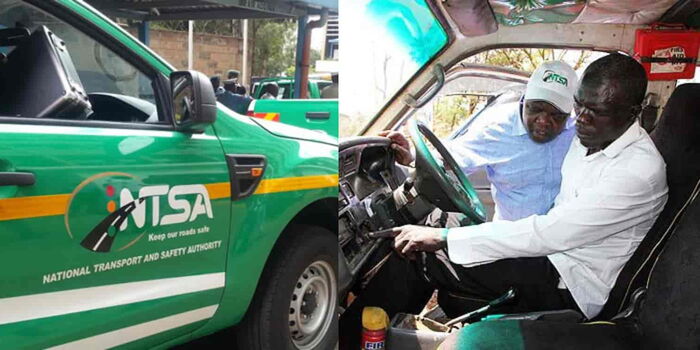
Many Kenyan motorists only think about vehicle inspections when renewing documents or facing a roadside check. A dashboard warning light gets ignored for weeks, worn tyres are pushed through one more journey, and a strange engine noise is postponed until payday. That habit may save money in the short term, but it often leads to bigger repair bills or dangerous situations later.
Road transport touches almost every part of daily life in Kenya. Children rely on school buses to reach classrooms safely, businesses depend on trucks to deliver goods, and families expect private vehicles to complete long-distance trips without incident. Every journey begins with one simple expectation: the vehicle should be safe enough to reach its destination.
Growing attention on annual inspections reflects a broader shift in thinking. Instead of waiting for accidents or mechanical failures, regulators and transport experts increasingly argue that prevention is cheaper, safer, and ultimately better for the economy than reacting after something goes wrong.
Why Vehicle Inspections Matter Beyond Compliance
Many people see inspections as paperwork exercises designed to satisfy regulators. In reality, they are intended to identify defects before those problems become emergencies.
Faulty brakes, worn suspension systems, cracked windscreens, defective lights, and damaged steering components may not seem urgent during ordinary driving. Under emergency conditions, however, even a minor defect can contribute to a serious collision.
Routine inspections therefore act as early warning systems rather than administrative obstacles.
School Transport Deserves Special Attention
Parents hand over enormous trust every morning when children board school buses or vans.
A single mechanical failure involving a vehicle carrying dozens of students can have devastating consequences for families and communities alike.
Regular inspections encourage operators and school administrators to maintain vehicles properly instead of delaying repairs until breakdowns occur.
Visible inspection certificates also provide reassurance that safety standards are being monitored consistently.
Comparison of Different Vehicle Categories
| Vehicle Type | Primary Concern | Why Inspections Matter |
|---|---|---|
| School transport | Child safety | Confirms roadworthiness before daily use |
| Commercial vehicles | Heavy mileage | Reduces breakdowns and accidents |
| Private vehicles | Family mobility | Identifies maintenance issues early |
| Public service vehicles | Passenger protection | Supports safer public transport |
Commercial Operators Stand to Benefit
Freight companies and passenger transport businesses often measure profitability through vehicle availability.
Unexpected breakdowns reduce income while increasing repair costs and disrupting schedules.
Preventive inspections help identify maintenance needs before expensive failures occur, improving reliability and reducing downtime.
Customers also gain confidence when transport providers prioritize safety and professionalism.
Older Vehicles Need Closer Monitoring
Cars naturally deteriorate with age.
Rubber components harden, metal parts corrode, electrical systems weaken, and structural fatigue accumulates over years of use.
Vehicles older than four years therefore require more careful assessment than newer models because hidden defects become increasingly common.
Annual inspections encourage owners to address wear before it develops into dangerous failures.
Road Safety Benefits Everyone
A poorly maintained vehicle threatens more than its owner.
Brake failure can involve innocent pedestrians.
Tyre blowouts may affect neighbouring motorists.
Defective lights reduce visibility for everyone sharing the road.
Improving one vehicle’s condition therefore contributes to safer travel for thousands of other road users over time.
Road safety is ultimately a shared responsibility rather than an individual concern.
Technology Is Changing Enforcement
Digital verification systems reduce opportunities for counterfeit documents and simplify compliance checks.
Instead of relying solely on physical stickers or paperwork, authorities can increasingly confirm inspection status electronically.
That modernization supports transparency while helping law enforcement distinguish legitimate compliance from fraudulent documentation.
Technology also creates more accurate records for future planning and policy decisions.
Preventive Maintenance Versus Reactive Repairs
| Preventive Action | Potential Benefit |
|---|---|
| Brake inspection | Avoids costly brake failure |
| Tyre checks | Improves grip and reduces blowout risk |
| Lighting inspection | Enhances night-time visibility |
| Suspension testing | Improves handling and stability |
| Steering assessment | Prevents dangerous mechanical faults |
Fighting Corruption Remains Critical
Inspection systems only function effectively when motorists trust the process.
Any perception that approvals can be bought undermines confidence and weakens public safety objectives.
Strong anti-corruption measures therefore protect honest motorists while ensuring unsafe vehicles cannot bypass required standards through illegal shortcuts.
Integrity benefits everyone using Kenyan roads.
Vehicle Maintenance Saves Money Over Time
Many repairs become expensive because they are postponed.
Replacing worn brake pads costs significantly less than rebuilding an entire braking system damaged by neglect.
Early tyre replacement may prevent suspension damage caused by uneven wear.
Routine servicing often extends vehicle lifespan while improving fuel efficiency.
Preventive maintenance therefore represents an investment rather than merely another expense.
Businesses Depend on Reliable Transport
Kenya’s economy relies heavily on road networks moving agricultural products, manufactured goods, fuel, and consumer supplies.
Mechanical failures delay deliveries and increase operational costs throughout supply chains.
Safer commercial fleets reduce disruption while strengthening productivity and customer satisfaction.
Reliable transport infrastructure includes not only roads but also dependable vehicles using them.
Schools Carry a Special Responsibility
Education institutions selecting transport providers should look beyond cost alone.
Maintenance records, inspection history, and driver professionalism contribute significantly to student welfare.
Parents increasingly value transparency regarding safety practices.
Schools investing in properly maintained fleets demonstrate commitment extending beyond academic performance into overall child protection.
Benefits of Regular Vehicle Inspections
| Stakeholder | Main Advantage |
|---|---|
| Families | Safer travel for loved ones |
| Schools | Greater confidence in student transport |
| Businesses | Reduced downtime and repair costs |
| Drivers | Early detection of mechanical issues |
| Society | Fewer preventable road accidents |
Preparing Before Inspection Makes Sense
Owners should not wait until inspection appointments to evaluate vehicle condition.
Simple checks involving tyres, lights, mirrors, wipers, brakes, and fluid levels can reveal obvious issues requiring attention.
Professional servicing before inspection often increases the likelihood of passing while improving everyday reliability.
Preparation saves both time and unnecessary repeat visits.
Kenya Roads Continue to Grow Busier
Population growth, urban expansion, and increasing vehicle ownership mean traffic volumes continue rising across much of the country.
Greater congestion raises the importance of mechanical reliability because failures occurring in busy environments create wider disruption and heightened safety risks.
Inspection programmes therefore become increasingly relevant as transport demand expands.
Preventive regulation helps support sustainable mobility.
Looking Beyond Stickers and Certificates
Vehicle inspections should never be viewed as merely another administrative requirement to satisfy before returning to the road. Their real value lies in identifying hidden problems that could threaten lives, disrupt businesses, or impose unnecessary financial burdens on owners who postpone maintenance.
For school transport providers, inspections reinforce confidence that children travel in safe vehicles. Commercial operators benefit through improved reliability and lower long-term operating costs. Private motorists gain opportunities to detect faults before they escalate into expensive repairs or dangerous emergencies.
Ultimately, road safety depends on countless small decisions made by drivers, mechanics, transport companies, regulators, and vehicle owners every day. Annual inspections represent one important layer within that broader safety culture, encouraging prevention over reaction and reminding everyone that responsible vehicle maintenance protects not just individual motorists but every Kenyan sharing the road.