
How to Secure Your KRA Transit Goods License: A Step-by-Step Guide for Transporters

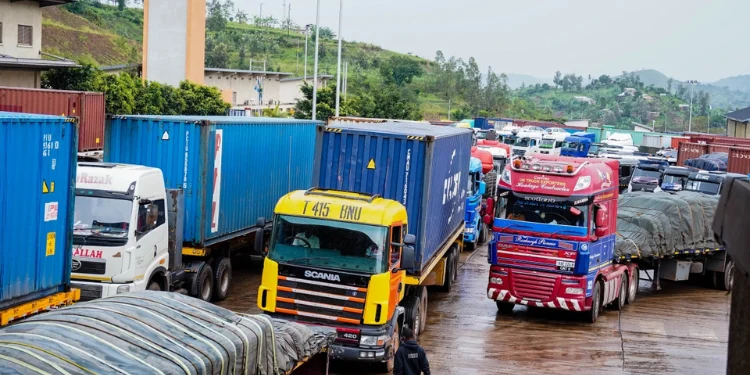
Kenya remains one of East Africa’s busiest logistics hubs, connecting the Port of Mombasa with Uganda, Rwanda, South Sudan, Burundi, the Democratic Republic of Congo and other regional markets. Every day, thousands of trucks move goods across the country’s highways, making efficient customs procedures essential for regional trade.
One of the most important regulatory requirements for transporters moving cargo under customs control is obtaining a Kenya Revenue Authority (KRA) Transit Goods License. Without the appropriate authorization, transport companies cannot legally transport transit cargo through Kenya’s customs network.
Whether you are launching a transport business or expanding into regional logistics, understanding how to obtain a Transit Goods License can save time, reduce costly delays and keep your operations compliant with customs regulations.
Kenya Frontline explains everything transporters need to know, from eligibility requirements to the application process, compliance obligations and common mistakes to avoid.
Also Read: How to Verify Car Ownership Using Number Plate in Kenya
What Is a KRA Transit Goods License
A KRA Transit Goods License is an authorization issued by the Kenya Revenue Authority that permits transporters to move goods under customs control from one customs station to another or across Kenya to neighboring countries.
Transit cargo generally consists of goods entering Kenya through ports, airports or border posts before continuing to another destination without being imported into the Kenyan market.
Because these goods have not yet cleared customs for local consumption, KRA closely monitors their movement to prevent tax evasion, cargo diversion and smuggling.
Licensed transporters become trusted partners in ensuring that cargo reaches its declared destination while complying with customs regulations.
Why the Transit Goods License Matters
The license plays a critical role in securing East Africa’s regional supply chain.
Without strict licensing, governments would face greater risks of cargo diversion, customs fraud and revenue losses.
For transport companies, licensing offers several business advantages.
These include:
-
Legal authorization to transport transit cargo.
-
Increased credibility with importers and exporters.
-
Eligibility to participate in regional logistics contracts.
-
Faster customs processing through recognized compliance.
-
Better business opportunities within the East African Community.
As regional trade volumes continue growing under the African Continental Free Trade Area (AfCFTA), licensed transporters are expected to play an even larger role in cross-border commerce.
Who Needs a KRA Transit Goods License
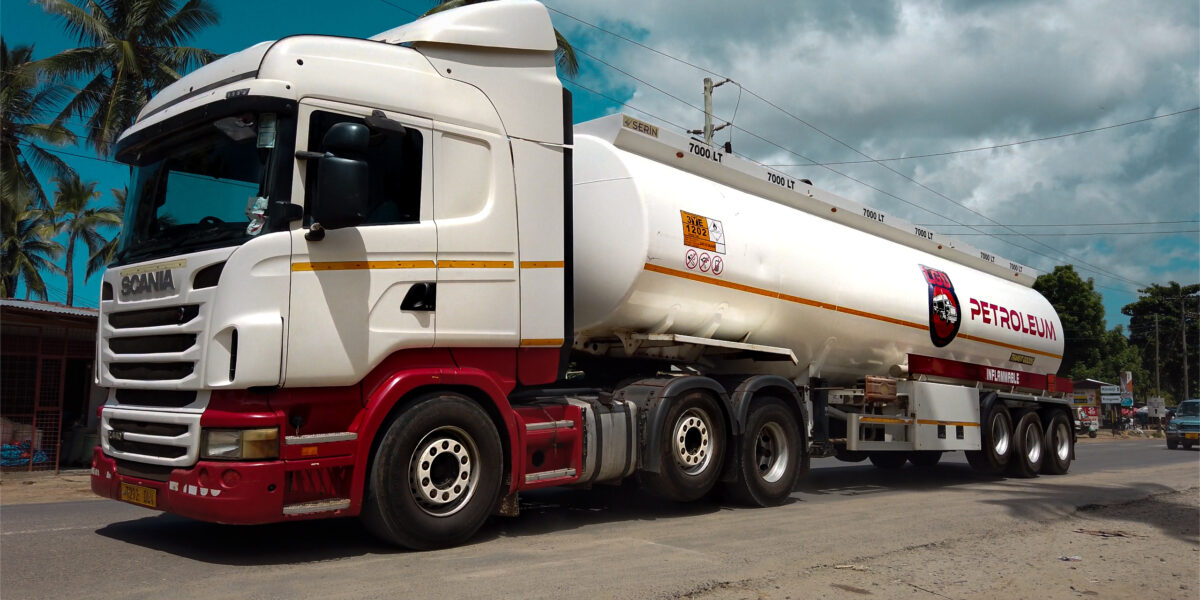
Not every transporter requires this license.
Generally, it is intended for businesses transporting goods that remain under customs control while moving through Kenya.
Typical applicants include:
-
Road transport companies.
-
Freight forwarding firms.
-
Logistics service providers.
-
Fleet operators handling transit cargo.
-
Clearing and forwarding companies operating transport fleets.
Businesses transporting only domestic cargo typically do not require this authorization.
Eligibility Requirements
Before applying, transporters must ensure they satisfy KRA’s eligibility criteria.
While requirements may vary depending on the nature of the business, applicants generally need to demonstrate legal registration, operational capacity and tax compliance.
Typical requirements include:
| Requirement | Purpose |
|---|---|
| Certificate of Incorporation | Confirms legal business registration |
| Valid KRA PIN | Tax identification |
| Tax Compliance Certificate | Demonstrates good tax standing |
| Physical business address | Operational verification |
| Fleet ownership documents | Confirms transport capacity |
| Vehicle logbooks | Verifies registered vehicles |
| National ID or passport of directors | Identity verification |
| Customs compliance history | Risk assessment |
Applicants may also be required to provide additional documentation depending on operational complexity.
Also Read: NTSA Vehicle Inspections Could Save You More Money Than You Think
Step by Step Application Process
Step 1 Register Your Business
Ensure your transport company is legally registered with the relevant government authorities before approaching KRA.
Limited companies generally have an advantage when seeking large logistics contracts.
Step 2 Obtain a Valid KRA PIN
Every business must possess an active KRA PIN linked to its tax obligations.
Outstanding tax issues should be resolved before submitting any licensing application.
Step 3 Secure a Tax Compliance Certificate
Transport businesses with outstanding tax liabilities may experience delays or rejection.
Maintaining tax compliance demonstrates financial responsibility and regulatory commitment.
Step 4 Prepare Required Documents
Gather all supporting documentation before beginning the online application.
Incomplete submissions remain one of the leading causes of processing delays.
Ensure documents are current and accurately reflect business ownership.
Step 5 Submit the Application
Applications are generally submitted through KRA’s customs licensing procedures.
Applicants should carefully complete all required forms and upload supporting documents where requested.
Double-check information before submission to avoid unnecessary corrections later.
Step 6 Verification and Assessment
KRA conducts due diligence on applicants.
Officials may verify company records, inspect operational facilities and review compliance history before granting approval.
This process helps protect the integrity of Kenya’s customs system.
Step 7 Receive Approval
Successful applicants receive authorization allowing them to transport customs-controlled transit cargo.
Businesses should retain copies of licensing documents for inspections and audits.
Common Documents Checklist
| Document | Required |
|---|---|
| Certificate of Incorporation | ✔ |
| KRA PIN Certificate | ✔ |
| Tax Compliance Certificate | ✔ |
| Company CR12 (where applicable) | ✔ |
| Directors’ Identification | ✔ |
| Vehicle Registration Documents | ✔ |
| Business Physical Address | ✔ |
| Fleet Information | ✔ |
Responsibilities After Receiving the License
Obtaining approval is only the beginning.
Licensed transporters must continue meeting strict customs obligations.
Key responsibilities include:
-
Following approved transit routes.
-
Maintaining accurate cargo records.
-
Cooperating during customs inspections.
-
Preventing cargo diversion.
-
Reporting incidents affecting cargo movement.
-
Keeping licenses and tax records updated.
Failure to comply can result in penalties, suspension or cancellation of licensing privileges.
Common Mistakes That Delay Applications
Many transporters unintentionally slow their approval by making avoidable mistakes.
The most common include:
-
Expired Tax Compliance Certificates.
-
Incorrect company information.
-
Missing supporting documents.
-
Outstanding tax disputes.
-
Unregistered business addresses.
-
Incomplete vehicle records.
Reviewing documentation before submission significantly improves approval chances.
Digital Transformation Has Simplified Licensing
Kenya has invested heavily in digitizing tax and customs services.
Many licensing processes that previously required multiple office visits can now begin online.
Digital services have improved transparency, reduced paperwork and shortened processing times for compliant businesses.
Transport companies should regularly monitor official KRA communication channels for procedural updates.
Why Compliance Matters for Regional Trade
Transit transport forms the backbone of East African commerce.
Every compliant transporter contributes to faster cargo movement between ports, border crossings and inland markets.
Efficient customs systems reduce transport costs, strengthen investor confidence and improve the competitiveness of regional exports.
Kenya’s logistics industry therefore depends heavily on transporters maintaining high compliance standards.
Also Read: Equity Dividend Pay Date 2026 Everything Investors Need To Know
Future Outlook for Kenya’s Logistics Sector

Regional trade continues expanding as infrastructure investments improve road networks, border facilities and port capacity.
Projects such as the expansion of the Port of Mombasa and improved highway connections are expected to increase cargo volumes over the coming years.
Transport companies that invest early in regulatory compliance, digital systems and professional fleet management will be better positioned to capture new business opportunities.
As cross-border trade becomes increasingly integrated across East Africa, licensed transporters will remain essential partners in supporting economic growth.
Why This License Matters
Securing a KRA Transit Goods License is more than a regulatory requirement—it is a strategic investment in the future of a transport business.
Companies that understand customs procedures, maintain tax compliance and uphold high operational standards are more likely to secure regional contracts and build long-term credibility within the logistics industry.
For both new entrants and established transport firms, preparing thoroughly before applying can significantly reduce processing delays and position the business for sustained growth in one of Africa’s fastest-expanding transport corridors.