
2026 Commonwealth Games: Inside Meshack Babu Quest for the Sub-10 Second Barrier

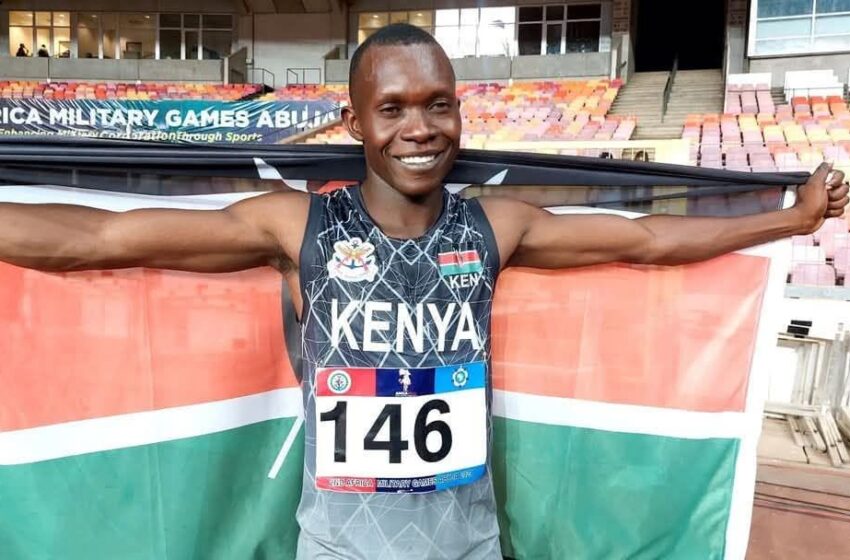
Kenya is undergoing an athletic transformation as its long-standing reputation for producing marathon champions and steeplechase specialists expands to include world-class sprinters.
Recent seasons have seen explosive power runners challenge the traditional dominance of West Africa and the Caribbean in the sprint events, signaling a new era for Kenyan athletics.
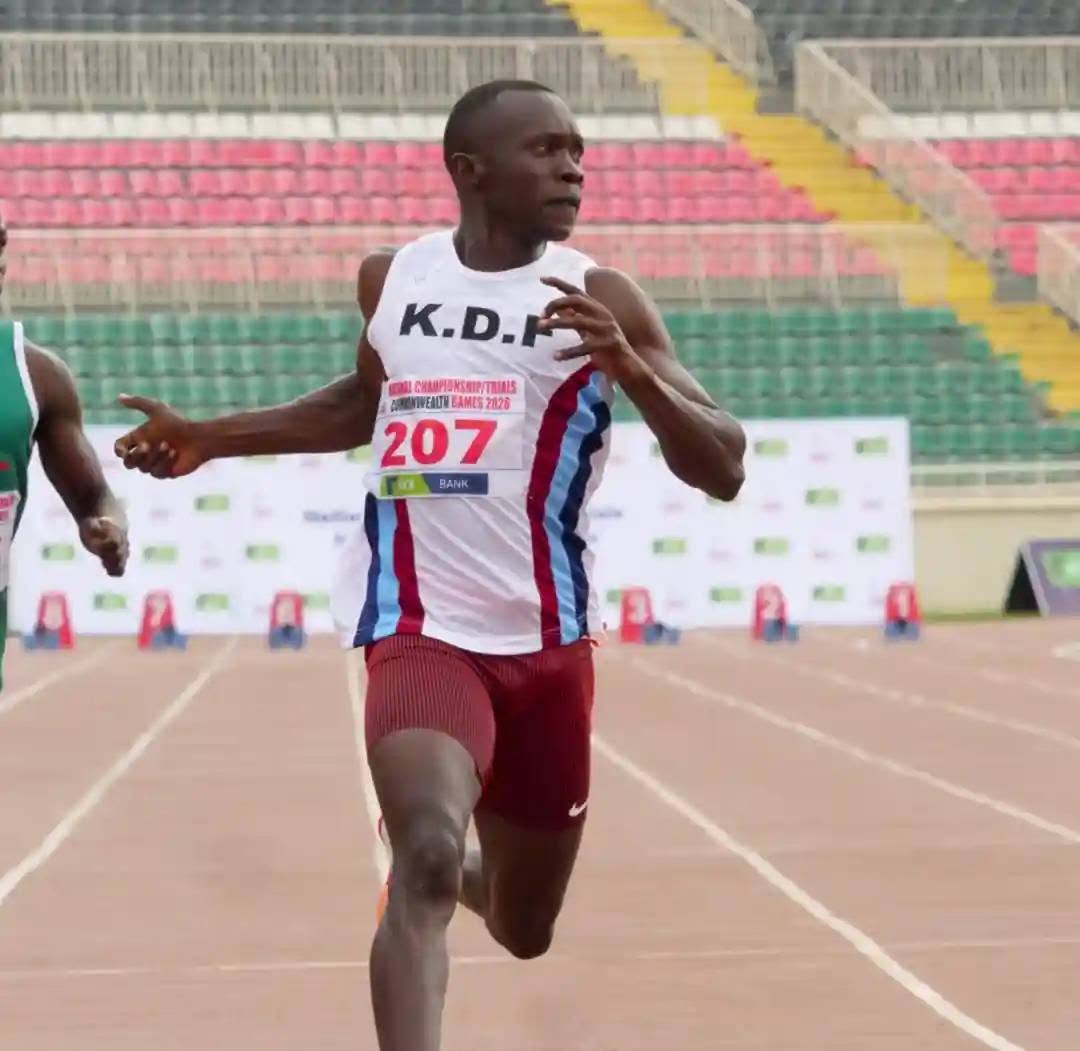
Meshack Babu leads this thrilling new wave of speed. Competing under the Kenya Defence Forces banner, Babu brings a soldier’s discipline to the raw physics of sprinting. Glasgow, Scotland, hosts the 2026 Commonwealth Games from July 23 to August 2, offering the perfect global stage for this rising star to chase history.
Shaving fractions of a second off a lifetime best means entering an elite, almost mythical brotherhood. Breaking 10 seconds requires absolute perfection. Local coaches have spent years building specialized training modules, and those efforts are finally producing world-class velocity right here in Nairobi.
Read: Top Comoros Official Hospitalized in Nairobi Amid Rising Tensions in Moroni
Analyzing the Technical Physics of Sprint Execution
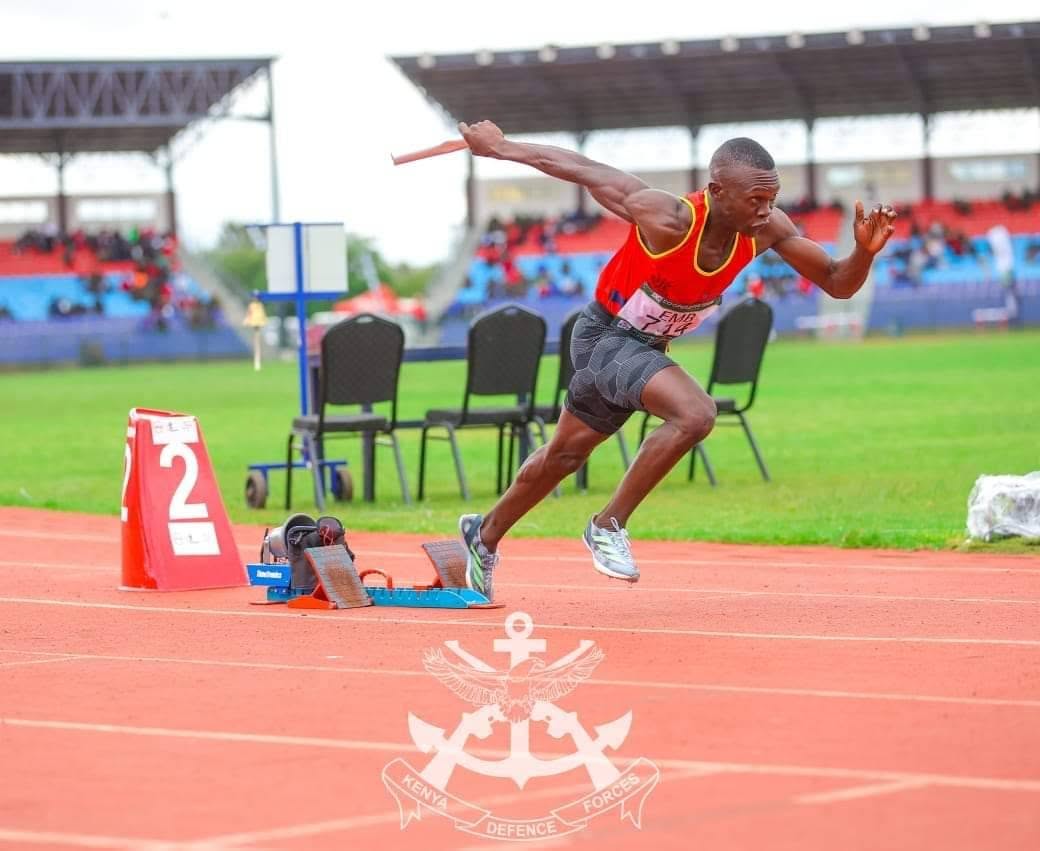
Sprinting at this level demands intense coordination between mind and muscle. Athletes must transform into human projectiles the instant the starter gun fires. Biomechanical studies prove that initial block clearance dictates roughly 40 percent of a runner’s ultimate time in short sprints.
Nyayo National Stadium exposed minor technical issues during the fierce national trials earlier this year. Coaches noticed microscopic delays during Babu’s initial drive phase. Shifting his foot placement angles slightly has already smoothed out his transition into top speed.
Technical Rhythm Segmentation: 100m Speed Architecture
| Race Phase Category | Biomechanical Metric | Performance Target |
| Reaction Phase | Block Exit Velocity | Under 0.140 Seconds |
| Acceleration Drive | Horizontal Force Loads | Max Step Extension |
| Peak Velocity Hold | Stride Frequency Rates | 4.5 Strides Per Sec |
Maintaining top speed requires incredible mental toughness through the middle of the race. Sprinters must stay perfectly relaxed even as their lungs burn. Fine-tuning his stride frequency during recent workouts ensures his peak velocity lasts right up to the finish line.
Residential training camps provide a quiet, focused environment for mastering these complex adjustments. Video analysis and electronic timers track every single step. Eliminating small technical errors gives Babu the confidence he needs to handle intense pressure on the track.
Overcoming Medical Setbacks: Managing Elite Muscle Recovery
Injuries are a constant, terrifying shadow for athletes during heavy training blocks. Hamstring issues are incredibly dangerous because of the massive force needed for short sprints. Exploding out of the blocks strains muscle fibers to their absolute limit, making smart recovery essential.
Medical staff designed a personalized rehabilitation plan to rebuild his power safely. Early therapy focused on maintaining core strength and targeted tissue healing. Increasing his workout intensity very gradually allowed Babu to regain full fitness just in time for selection events.
Rehabilitation Phase Timeline: Muscle Strain Management
| Phase Classification | Therapeutic Focus | Workload Threshold |
| Acute Phase | Inflammation Control | Zero Dynamic Load |
| Intermediate Phase | Fibrous Tissue Repair | 50% Speed Thresholds |
| Elite Return Phase | Explosive Power Output | 100% Biomechanical Load |
Bouncing back from a scary injury requires mental toughness alongside physical therapy. Runners must learn to trust their bodies again under maximum physical strain. Winning performances at regional meets proved his rehabilitation plan worked perfectly, restoring his competitive edge.
Conditioning metrics show he is in peak physical shape ahead of the trip to Scotland. Muscle flexibility and power numbers are matching his personal bests, allowing for high-volume training. Entering a major tournament completely healthy gives any athlete a huge psychological boost.
Tracking Continental Progress: Collaborative Achievements in Relay Qualifications
Continental races throughout the 2026 season gave the team great benchmarks. Early events like the Lefika Relays in Botswana helped establish smooth teamwork. Racing against top-tier West African squads gave coaches a chance to test baton handoffs under real pressure.
Sprinting into the spotlight at the World Athletics Relays in Gaborone brought a historic breakthrough. Clocking a brilliant national record of 38.27 seconds earned the squad massive respect globally. Great teamwork proves that Kenyan sprinters can match world powerhouses when their handoffs are perfectly synchronized.
Continental Engagement Results: 2026 Sprint Progression
| Event Location | Disciplinary Category | Performance Milestone |
| Lefika Relays | 4x100m Team Selection | 39.12 Seconds (Silver) |
| World Athletics Relays | 4x100m Qualification | 38.27 National Record |
| KDF Championships | 100m Individual Final | 10.21 Seconds (Gold) |
Relay success depends entirely on absolute trust between runners. Practicing passes at breakneck speeds takes hours of repetitive, exhausting drill work. Shared success creates a tight bond, lifting the performance of the entire group.
Individual success followed naturally during domestic military competitions. Winning both the 100-meter and 200-meter finals at the KDF Championships showed his incredible versatility. Sweeping those military events gave him the momentum he needs to face global fields.
Regional Dominance Framework: Analyzing National Selection Metrics
Championship races at home show an exciting shift in the national sports landscape. High-altitude venues present unique challenges that affect short-sprint times. Despite thinner air helping with wind resistance, runners have to work much harder to warm up their muscles effectively.
National Selection Metrics
| Competitor Name | Trial Finish Position | Recorded Final Time |
| Ferdinand Omanyala | Champion Position | 10.00 Flat Seconds |
| Meshack Babu | Runner Up Position | 10.20 Personal Best |
| Mark Otieno | Podium Finish | 10.32 Season Best |
Training alongside the fastest man on the continent accelerates everyone’s growth. Healthy rivalry pushes domestic competitors to raise their preparation standards. Watching a close teammate win on the world stage breaks down psychological barriers for the rest of the squad.
Earning an individual spot changes a runner’s tactical approach completely. Shifting from team relays to solo lane assignments requires total independence. Managing that intense solo pressure demands incredible emotional control from the blocks to the tape.
Read: Why Gor Mahia Kagame Cup Campaign Matters Beyond Winning
Global Outlook: Strategic Integration of Sprint Talent
International sports experts are taking notice of Kenya’s rapid sprint development. New training hubs are successfully challenging traditional powerhouses in short-distance events. Sharing training secrets helps local programs produce world-class speed profiles consistently.
Surviving tough multi-round tournaments requires smart energy management. Athletes must balance their effort across heats and semifinals to have enough fuel left for the final. Getting through those initial rounds sets up the ultimate push for a historic medal.
Shining in Glasgow would permanently change how Kenya funds sports development. Proving local coaches can develop world-class speed will attract more funding into short-distance training facilities. The upcoming games represent a beautiful, historic turning point for Kenyan sprinting.