
Kenya Tea Export Crisis Deepening as Stranded Mombasa Stocks Lose Value

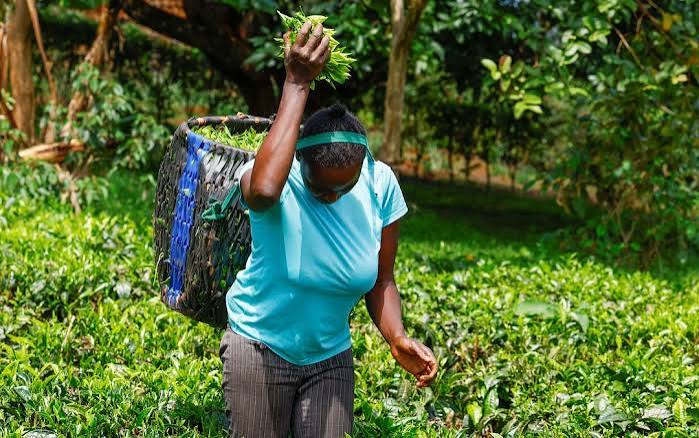
Smallholder agricultural communities across the country face an intensifying financial squeeze as the localized trade impasse drags into its second year. Millions of kilogrammes of premium black tea remain trapped inside coastal storage facilities, entirely cut off from traditional buyers across North Africa and the Middle East. Recent data published by The EastAfrican highlights the severity of this trade freeze, revealing a staggering 69 percent collapse in export volumes along this specific maritime corridor.
Exporters face escalating holding fees while the physical quality of the leaf steadily deteriorates in the humid maritime warehouses of Shimanzi. Regional trade organizations warn that prolonged storage diminishes the vibrant flavor profile and briskness that typically commands premium prices on the global stage. Private merchants continue to absorb these mounting overhead costs without any clear timeline for a diplomatic resolution, pushing many local brokerage firms to the brink of insolvency.
The economic ripples of this stagnation travel directly from the coastal docks to the rolling hills of the tea-growing highlands. When international buyers retreat from the trading floor, the financial shockwaves hit the rural factories within days, forcing a reduction in green leaf payout rates for millions of growers. This structural bottleneck threatens the broader macroeconomic stability of the agricultural sector, which has long served as a leading foreign exchange earner for the nation.
Read: Explainer: Kenya Purple Tea Launch in France and Its Impact on Farmers Income
Geopolitical Friction Dismantles Strategic Trade Routes
Diplomatic standoffs and domestic instability within Khartoum have completely disrupted what was once a highly efficient, predictable maritime supply chain. Cargo shipped from the Port of Mombasa traditionally reached Sudanese consumers within three to five days, making it one of the fastest and most cost-effective export destinations available. Regional conflicts and subsequent regulatory policy shifts have brought this lucrative commercial highway to a sudden, devastating halt.
| Market Destination | Current Trade Status | Local Impact |
| Sudan | Direct Import Freeze | Millions of Kilos Stranded |
| Iran | Shipping Lane Blocks | Orthodox Trade Stalled |
| Regional Neighbors | High Auction Demand | Capturing Displaced Buyers |
Specialized packaging materials custom-branded for northern consumer markets are now sitting idle in regional warehouses, representing an immense waste of capital. Exporters cannot easily repurpose these materials for alternative global destinations due to specific language, weight, and labeling regulations enforced by other importing countries. Attempting to reroute bulk shipments through third-party nations introduces heavy transit expenses and extra handling fees that eliminate any potential profit margins for local dealers.
Market experts emphasize that specific varieties, particularly the premium BP1 leaf grade, are uniquely vulnerable to this geopolitical disruption. Sudanese buyers previously anchored the demand for this specific grade at the weekly Mombasa Tea Auction, consistently outbidding other global regions. Lacking that consistent, high-volume buyer base, auction prices for high-quality cut, tear, and curl varieties have remained heavily depressed, dragging down the overall market average.
Value-Based Tax Adjustments Aggravate Auction Stagnation
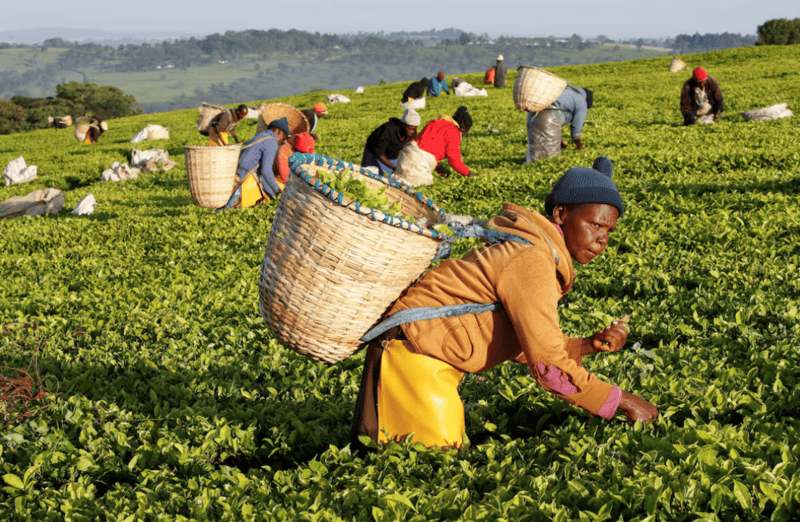
Policy changes introduced mid-year have inadvertently placed an extra burden on the local agricultural sector at a time when flexibility is desperately needed. The implementation of a value-based domestic tea levy means that higher-quality leaves bear a significantly larger tax burden compared to low-grade teas. Premium producers operating east of the Rift Valley find themselves penalized for processing superior agricultural commodities, as their tax bill scales upward with the quality of their product.
International buyers have adapted quickly to this fiscal environment by adjusting their purchasing strategies to favor cheaper, tax-advantageous regional alternatives. Neighboring countries like Uganda, Tanzania, and Rwanda continue to record nearly perfect auction absorption rates, frequently clearing 95 to 100 percent of their offered catalogs. Displaced capital flows directly into rival economies while premium local stocks pile up unsold in coastal godowns, creating an artificial surplus that further depresses bidding prices.
| Production Zone | Levy System Impact | Buyer Response |
| East of Rift Valley | High Value-Based Tax | Reduced Bidding & Avoidance |
| West of Rift Valley | Moderate Tax Burden | Stable to Low Demand |
| Regional Competitors | Tax-Exempt / Quantum | 95-100% Auction Absorption |
Industry leaders argue that switching to a volume-based tax model would instantly restore the competitiveness of local brands on the international stage. Charging a fixed, flat fee per kilogramme aligns perfectly with international agricultural standards and avoids penalizing estates that invest in high-quality plucking and processing. Structural adjustments of this nature are vital to prevent global blending houses from permanently shifting their long-term supply chains to more predictable regional neighbors.
Misaligned Market Fundamentals Squeeze Rural Incomes
Global production deficits should theoretically have created a highly profitable environment for local estates over the past twelve months. Severe climate shocks and cyclonic activity recently decimated tea-growing regions in Sri Lanka, cutting their export capacity by nearly thirty percent and leaving global blending houses scrambling for alternatives. Combined with reduced domestic carry-over stocks from the previous season, international tea availability has tightened significantly.
Agricultural analysts point out that auction prices should have naturally climbed to between $2.70 and $2.80 per kilogramme under these classic scarcity conditions. Instead, domestic tax friction and geopolitical bottlenecks have completely neutralized these broader macroeconomic advantages, leaving local prices stagnant. Local producers are left holding massive unsold volumes while global demand outpaces available supply, a contradiction that defies standard commodity market behavior.
The financial pressure is felt most acutely by the smallholder farmers who rely on monthly green leaf payments to maintain their fields and support their households. When factories are forced to store unsold inventory rather than clear it through the auction, their cash reserves dry up, leading to delayed bonuses and reduced earnings. This decline in purchasing power dampens local economies throughout the agricultural belt, impacting transport providers, fertilizer suppliers, and local retail businesses.
Strategic Diversification: Moving Beyond Traditional Black Tea
Global production of standard Crush, Tear, and Curl (CTC) black tea has steadily outpaced international demand over recent trading cycles, creating an underlying structural oversupply. This systemic surplus complicates long-term financial planning for traditional estates and leaves them highly vulnerable to sudden market closures. Agricultural authorities are now urging a nationwide transition toward premium Orthodox and specialty tea varieties to protect the industry from future shocks.
| Tea Processing Style | Target Consumer Base | Economic Resilience |
| Standard CTC Black | Mass Market Blends | Low – Highly Sensitive to Shocks |
| Premium Orthodox | Specialty/Whole Leaf | High – Affluent, Stable Buyers |
| Purple & Specialty | Health & Wellness | Very High – Niche, High Margin |
Preserving the whole leaf during specialized Orthodox processing yields a distinct product that attracts affluent, less price-sensitive consumer segments across Europe and North America. Diversifying the national product portfolio ensures that localized geopolitical disputes in North Africa or the Middle East cannot completely cripple the wider agricultural economy. Furthermore, specialty varieties like purple tea command massive price premiums that can easily offset the increased logistical costs associated with modern trade barriers.
Transitioning a traditional factory to handle Orthodox and specialty production demands a significant initial capital injection for new machinery and specialized staff training. Government entities and regional tea regulatory boards must collaborate to offer tax incentives and low-interest development loans for processing plants willing to modernize. Cultivating a robust, agile specialty tea ecosystem offers a viable long-term shield against volatile global commodity cycles and unpredictable trade lanes.
Infrastructure Bottlenecks and Warehouse Realities

The physical reality of holding millions of kilogrammes of unsold agricultural products introduces severe logistical complications at the Port of Mombasa. Maritime warehouses are finely tuned for high-velocity turnover, where pallets of tea arrive from upcountry factories and depart on container ships within a tight window. When this flow stops, the resulting congestion slows down the entire port ecosystem, causing delivery delays for unaffected trade segments.
Extended storage in a coastal, tropical climate poses an existential threat to the delicate organic compounds within the processed leaf. High humidity levels can compromise packaging integrity, leading to moisture absorption that ruins the crisp flavor and shortens the shelf life of the product. Merchants are forced to pay continuous climate-control and security fees to preserve their investments, adding silent overheads that can never be recovered at the auction block.
| Storage Duration | Quality Retention | Financial Overhead Burden |
| 1 to 30 Days | 100% – Prime Condition | Standard Handling Fees |
| 31 to 180 Days | Minor Flavor Degradation | Cumulative Warehouse Charges |
| Over 180 Days | High Moisture Risk | Critical Capital Stagnation |
To alleviate these immediate pressures, some logistics firms are exploring temporary inland storage solutions in cooler, less humid regions of the country. Rerouting tea back upcountry or to dry ports minimizes the risk of spoilage but introduces secondary transportation costs that further strain tight corporate budgets. These stop-gap measures underscore the urgent need for a high-level diplomatic intervention to unlock the traditional export destinations.
Read: Top Comoros Official Hospitalized in Nairobi Amid Rising Tensions in Moroni
Driving Policy Reform for Sustainable Export Growth
Resolving the crisis at the Mombasa Tea Auction requires a dual approach that combines aggressive economic diplomacy abroad with targeted regulatory adjustments at home. Government representatives must actively engage with Sudanese and Iranian trade delegations to establish secure, alternative payment and shipping mechanisms that bypass current regional blockades. Restoring direct, friction-free trade with these legacy buyers is the fastest path to clearing the millions of kilogrammes currently gathering dust in coastal godowns.
Simultaneously, the Ministry of Agriculture must re-evaluate the structure of the domestic tea levy to ensure it supports, rather than penalizes, value addition and high-quality production. Transitioning to a flat, quantity-based tax model would immediately level the playing field and signal to international buying houses that premium local tea remains a viable option. By protecting the profit margins of top-tier estates, the state can safeguard the global reputation of the nation’s finest agricultural exports.
The current export bottleneck serves as a powerful wake-up call for an industry that has relied on a handful of traditional markets for too long. By combining policy modernization with an aggressive push toward product diversification, the sector can transform this temporary crisis into an opportunity for structural renewal. Protecting the smallholder farmer requires an agile, globally competitive trading framework that can weather geopolitical storms and economic shifts with resilience.