
Why Gor Mahia Kagame Cup Campaign Matters Beyond Winning

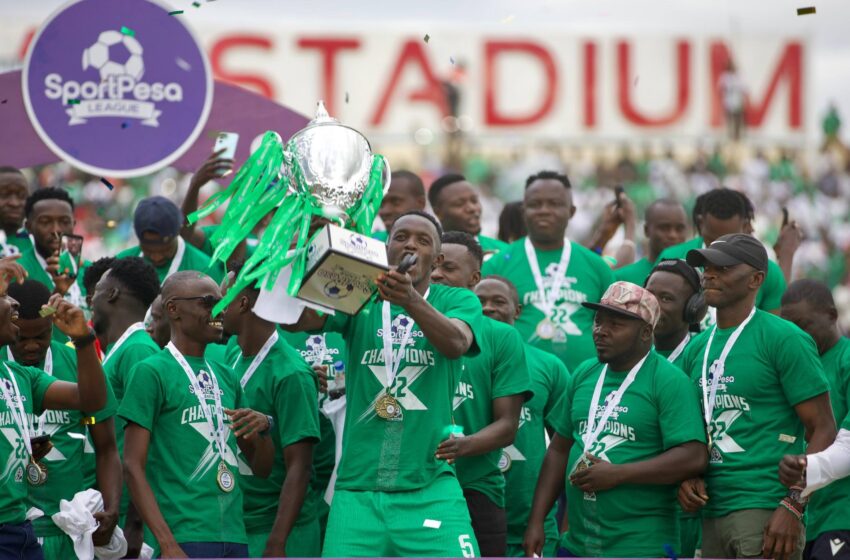
Record FKF Premier League champions Gor Mahia are preparing themselves for the upcoming CECAFA Kagame Cup tournament slated for July 24th to August 8th in Kigali, Rwanda at the Amahoro National Stadium and the Kigali Pele Stadium.
Winning silverware remains an institutional expectation for the Kenyan football giants, yet this specific tournament serves a far more significant strategic purpose. It provides an elite, high-stakes testing ground to evaluate squad depth, integrate newly acquired talent, and establish tactical baselines.
Charles Akannor coached side will be measuring domestic dominance against the finest organizations in East and Central Africa, which can accurately determine if they possess the structural readiness required to challenge the continent’s established football powerhouses.
The Crucible for New Signings
The primary operational value of this regional assignment lies in the practical integration of fresh personnel. And in coming weeks, after they were crowned Kenyan champions, the technical bench faces the immediate challenge of rebuilding tactical fluidities following the departure of influential figures like midfield maestro Enock Morrison to Sudanese giants Al Merrikh. The transfer window inevitably brings a wave of strategic acquisitions, rumored to include top domestic targets like National Super League Golden Glove winner Michael Onyango, lethal forward Paul Okoth, and defensive additions designed to solidify the spine of the team.
Pre-season training camps offer isolated fitness benefits, but they completely fail to simulate the visceral intensity of competitive match play. Deploying new signings in the Kagame Cup allows the technical bench to skip the slow trial-and-error phase of the domestic league. It forces incoming players to adapt instantly to the club’s tactical philosophies under genuine external pressure.
Coaches can explicitly observe how a new defensive partnership communicates when tracking dynamic attackers, or how seamlessly an incoming midfielder transitions from structural defensive blocks to rapid forward distribution. Discovering these operational vulnerabilities in Kigali allows for timely tactical adjustments before the domestic transfer window shuts and formal league assignments commence.
The Definitive Blueprint for CAF Champions League Success
The modern era of African football rewards structural elite preparation, making the Kagame Cup an invaluable dress rehearsal for the upcoming 2026/2027 CAF Champions League preliminary rounds. History shows that Kenyan clubs often struggle during the initial phases of continental campaigns due to a distinct lack of exposure to diverse tactical styles and hostile match environments. The tournament structure in Rwanda directly mirrors the grueling format of CAF inter-club competitions, providing a perfect operational template.
The Continental Simulation Grid
| Competitive Factor | Kagame Cup Environment | CAF Champions League Relevance |
| Tactical Variety | Exposure to low-block, physical, and high-pressing regional styles. | Prepares the squad for diverse North, West, and South African opposition. |
| Logistical Rigor | Compact tournament schedules with minimal recovery windows. | Simulates the tight turnaround times of continental group-stage travel. |
| Psychological Pressure | Hostile crowds at iconic venues like the Amahoro National Stadium. | Conditions the squad to maintain discipline in intimidating away legs. |
Facing seasoned continental operators like Tanzania’s Simba SC, Uganda’s Vipers SC, and the tactical sophistication of Sudanese powerhouses Al Hilal and El Merrikh exposes structural weaknesses that routine domestic matches simply mask. If a defensive line lacks the positional awareness to handle a sophisticated counter-attacking system, or if the midfield transitions are too sluggish to bypass an aggressive high press, these flaws will be exploited immediately in Kigali.
Identifying these deficiencies in July gives the coaching staff a distinct window to re-engineer their approach before facing unforgiving knockout ties in the CAF Champions League, where a single tactical error results in immediate elimination.
Elevating the Individual Player Profile

Beyond the collective corporate and tactical objectives of the club, this tournament acts as a major catalyst for individual player development and career advancement. To the younger core within the squad, crossing borders to compete against international athletes accelerates their maturity far quicker than multiple seasons of domestic competition.
-
Tactical Maturity: Players are forced to think quicker on the ball, read complex defensive rotations, and execute technical instructions with minimal margin for error.
-
Physical Conditioning: The sheer physical intensity of competing against robust regional champions demands peak physical output, forcing athletes to elevate their work rate and recovery protocols.
-
Mental Fortitude: Operating under the immense scrutiny of regional media and passionate international fan bases builds the psychological resilience required of elite professionals.
The commercial reality of modern football means the Kagame Cup is a premium showcase for regional talent scouts and international technical directors. Stellar individual performances on this stage directly elevate a player’s market valuation. It provides a platform where a disciplined defensive display or a clinical goal-scoring run can instantly open lucrative transfer pathways to larger leagues across the continent and beyond.
Navigating the Tactical Evaluation Metrics
The highly anticipated fixture against Rwandan giants Rayon Sports at the newly refurbished Amahoro National Stadium serves as the ideal baseline test. Rayon Sports boasts an incredibly passionate fan base and a demanding home environment that perfectly replicates the intense atmosphere of a CAF group-stage encounter. In the part of Gor Mahia’s technical bench, this match is less about the final scoreboard and more about collecting precise performance data across several non-negotiable pillars.
Technical Benchmark: Performance in the regional tournament will be evaluated across five strict tactical indicators: defensive recovery speed during transitions, clinical conversion rates inside the eighteen-yard box, set-piece execution efficiency, spatial discipline within the mid-block, and the physical endurance of squad depth options.
The inclusion of historic six-time regional champions Simba SC adds substantial weight to the competitive field. Returning to the tournament for the first time since 2018, the Tanzanian giants represent the exact standard of squad depth and financial muscle that Gor Mahia must learn to overcome if they wish to re-establish themselves as genuine continental contenders.
The Macro Impact on the Kenyan Football Ecosystem
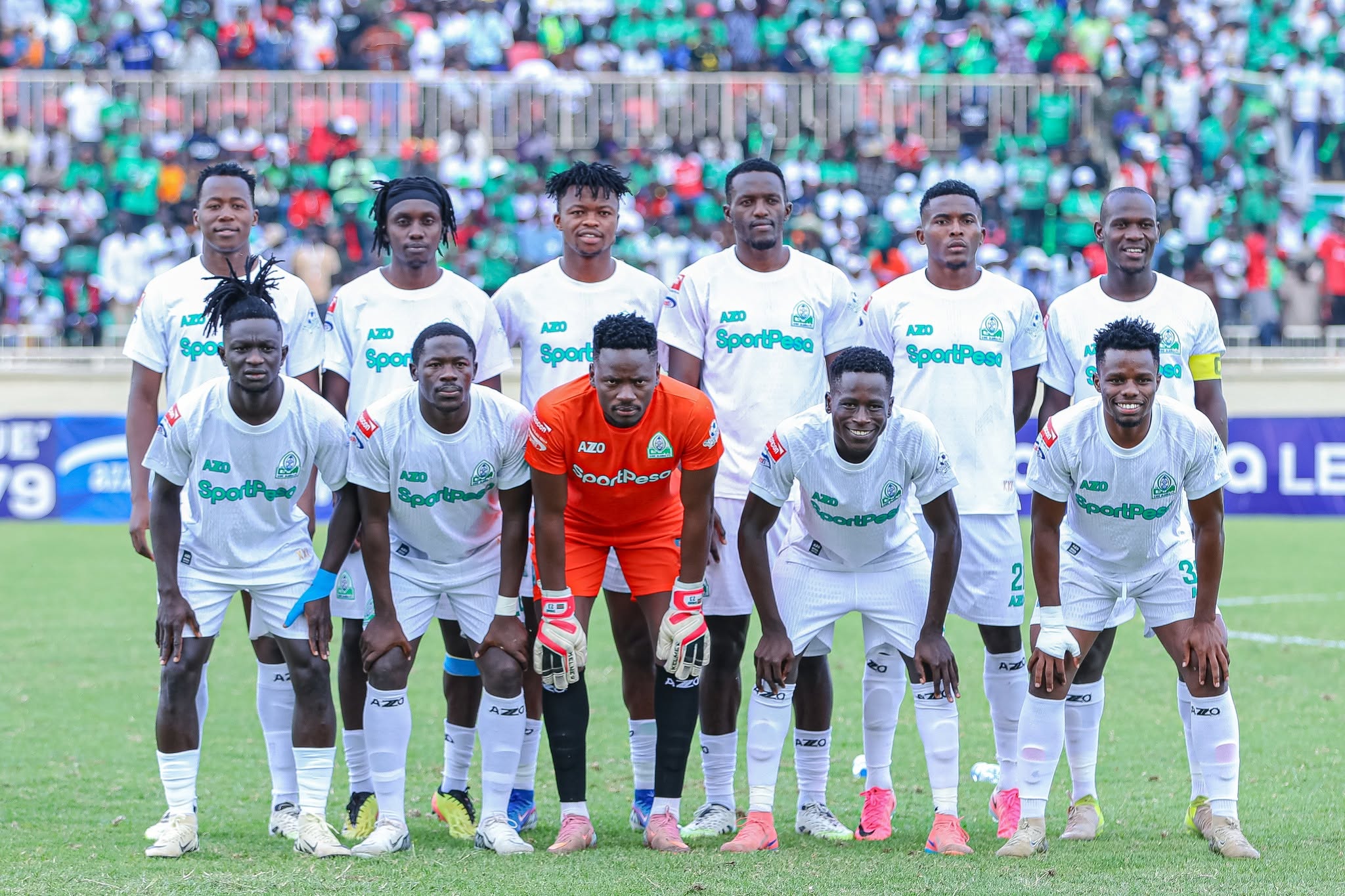
A successful, deep tournament run by Gor Mahia and fellow Kenyan representatives Kenya Police FC yields structural benefits that extend far beyond their respective boardrooms. When domestic clubs perform exceptionally well on the regional stage, they actively repair and elevate the broader reputation of the Football Kenya Federation (FKF) Premier League.
Dominant international performances send a clear message to corporate investors, television broadcasters, and commercial sponsors that Kenyan football possesses a highly competitive, marketable, and viable product.
The renewed confidence that will be displayed stimulates vital capital inflows into the domestic game, which can be directly funneled into upgrading dilapidated stadium infrastructure, modernizing youth academy systems, and improving the financial welfare of players across the entire league ecosystem.
Ultimately, the trip to Kigali should not be viewed as a series of casual pre-season matches. It is a vital, transparent assessment of where the local game stands today. Success for K’Ogalo will firmly re-establish their status as the definitive standard-bearers of East African football, providing definitive proof that Kenyan clubs are fully equipped to compete—and win—well beyond their borders.