
Aliko Dangote’s Sh2.6 Trillion Lamu Oil Refinery Plan Faces Environmental Opposition

Plans by Nigerian billionaire Aliko Dangote to build a multi-trillion-shilling oil refinery in Lamu have ignited a fresh battle between economic development and environmental conservation, with lobby groups warning the project could permanently alter one of Kenya’s most ecologically important coastal regions.
The proposed refinery, estimated to cost between Sh2.2 trillion and Sh2.6 trillion, would process around 700,000 barrels of crude oil every day, making it the largest refinery in East Africa and one of the biggest on the continent.
Supporters view the investment as a game changer for Kenya’s energy sector, arguing that it could reduce dependence on imported fuel, create thousands of jobs and position Lamu as a regional petroleum hub. Environmental campaigners, however, insist the long-term ecological cost could outweigh the economic gains.
Construction of the refinery is expected to take about three years once regulatory approvals and other statutory requirements are completed.
Environmentalists Warn of Lasting Damage
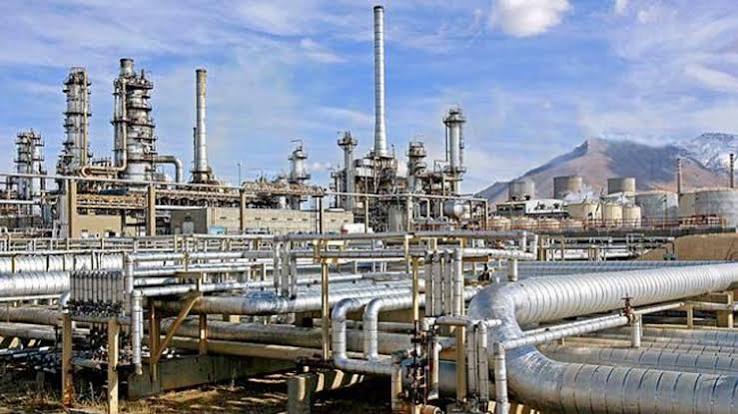
Environmental organisations have mounted early opposition to the ambitious project, saying Lamu’s unique ecosystem should not be sacrificed for industrial expansion.
Climate lobby Power Shift Africa described the proposed refinery as “an extraordinary act of environmental recklessness and economic short-sightedness.”
The organisation argues that the planned facility would be located in one of Africa’s most environmentally sensitive coastal areas, placing critical habitats and livelihoods at risk.
“It would place one of Africa’s largest fossil fuel developments in one of the continent’s most ecologically sensitive and culturally significant coastal regions,” Power Shift Africa Director Mohamed Adow said in remarks seen by The Star.
Adow said the proposal comes at a time when many countries are investing heavily in cleaner sources of energy and electric transport, raising questions about the refinery’s long-term commercial viability.
He warned that demand for fossil fuels could gradually decline before investors recover the enormous capital required to build the project.
Attention also turned to Lamu’s rich biodiversity, including its mangrove forests, coral reefs and fishing grounds that sustain thousands of families along the coast.
“The refinery’s supporters will argue that it is about development. But development for whom? Nearly 600 million Africans still lack access to electricity. Their greatest challenge is not the availability of refined petroleum products but the absence of affordable, reliable power,” Adow told The Star.
Power Shift Africa believes investments in renewable energy would deliver greater long-term benefits than expanding fossil fuel infrastructure.
Memories of previous environmental battles in Lamu have also resurfaced following the announcement.
Campaigns against the proposed coal-fired power plant at Kwasasi attracted international attention before Kenyan courts eventually revoked the project’s environmental licence, citing shortcomings in the approval process and inadequate public participation.
That legal victory strengthened the influence of environmental groups and demonstrated that major infrastructure projects in Lamu are likely to face intense public scrutiny.
Government Banking on Economic Benefits
Government officials see the proposed refinery from a different perspective.
The project is expected to generate thousands of employment opportunities during construction before creating additional jobs once operations begin.
Business activity around Lamu Port could also receive a major boost through increased shipping, fuel storage, logistics services and petrochemical industries.
Officials believe the refinery would complement the Lamu Port-South Sudan-Ethiopia Transport (LAPSSET) Corridor, a flagship infrastructure programme designed to transform northern Kenya into a regional trade and transport gateway.
The strategic location of Lamu’s deep-water port is viewed as one of the project’s biggest advantages, providing easier access to regional and international markets.
Dangote Industries says the refinery would supply Kenya and neighbouring countries with petrol, diesel and jet fuel, reducing reliance on imported refined petroleum products.
Kenya currently imports almost all its refined fuel following the closure of the Kenya Petroleum Refineries facility in Mombasa.
Heavy dependence on imports has exposed the country to fluctuations in international fuel prices and supply chain disruptions, particularly during periods of geopolitical tension in major oil-producing regions.
Local refining capacity is therefore seen by supporters as an important step towards strengthening energy security across East Africa.
President William Ruto’s administration has already expressed support for the investment.
Deputy President Kithure Kindiki has been tasked with leading a government team working alongside investors and relevant agencies to advance discussions on the project.
Confidence in the proposal has also been boosted by Dangote’s track record.
His refinery in Lagos, Nigeria, began operating in 2024 and has quickly become one of the world’s largest refining facilities. Success in Nigeria has encouraged optimism that a similar project could be delivered in Kenya.
Challenges still remain before construction can begin.
Environmental approvals, public participation requirements and regulatory reviews are expected to determine the project’s future.
Communities living around Lamu are also likely to play a central role in shaping the outcome, given the area’s history of resisting projects perceived to threaten local livelihoods and cultural heritage.
Debate surrounding the refinery highlights the difficult choices facing many African countries seeking rapid industrialisation.
Economic growth, employment creation and energy security remain national priorities. Environmental conservation, climate commitments and protection of vulnerable ecosystems continue to demand equal attention.
Public consultations and environmental assessments are expected to attract significant interest in the coming months as government agencies, investors, conservationists and local communities weigh the potential costs and benefits of one of Kenya’s most ambitious energy projects.
Final approval could reshape not only Lamu’s economic future but also Kenya’s broader energy strategy for decades to come, making the proposed refinery one of the country’s most closely watched infrastructure developments.