
How Can Kenya Fix CBC to Make Learning Truly Inclusive?

By Tracy Atieno Apondu
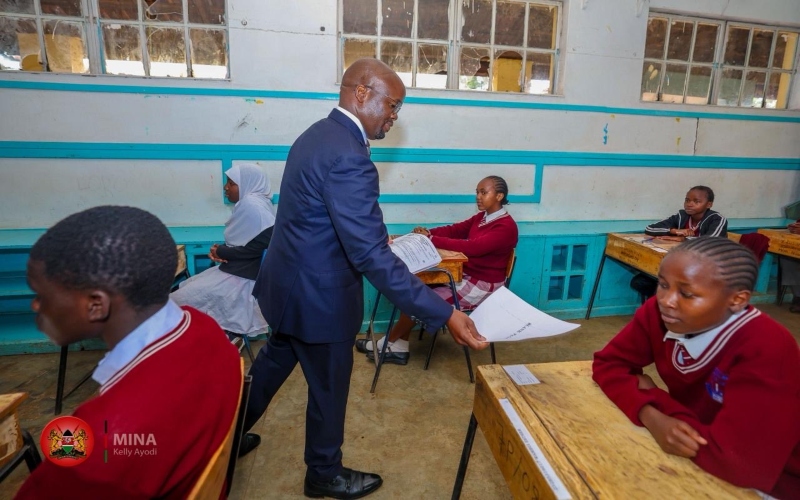
Eight years ago, Kenya took a bold step toward reshaping its education system by rolling out the Competency-Based Curriculum (CBC), a reform designed to redefine how children learn and prepare for the future.
Rather than emphasizing memorization and high-stakes national examinations, the new approach sought to nurture practical skills, critical thinking, creativity, and problem-solving abilities.
The vision promised an environment where young learners could discover their unique talents early and build meaningful pathways for their future instead of remaining trapped in a cycle of rote learning.
Almost a decade into this national transition, the central question remains: where does Kenya stand today? Although the structural framework of CBC has reshaped everyday classroom experiences, real-world execution reveals a widening gap between policy ambition and grassroots reality.
What Is Working: Practical Learning and Early Talent Discovery
Among many young learners across the country, CBC has brought a breath of fresh air into the learning process.
-
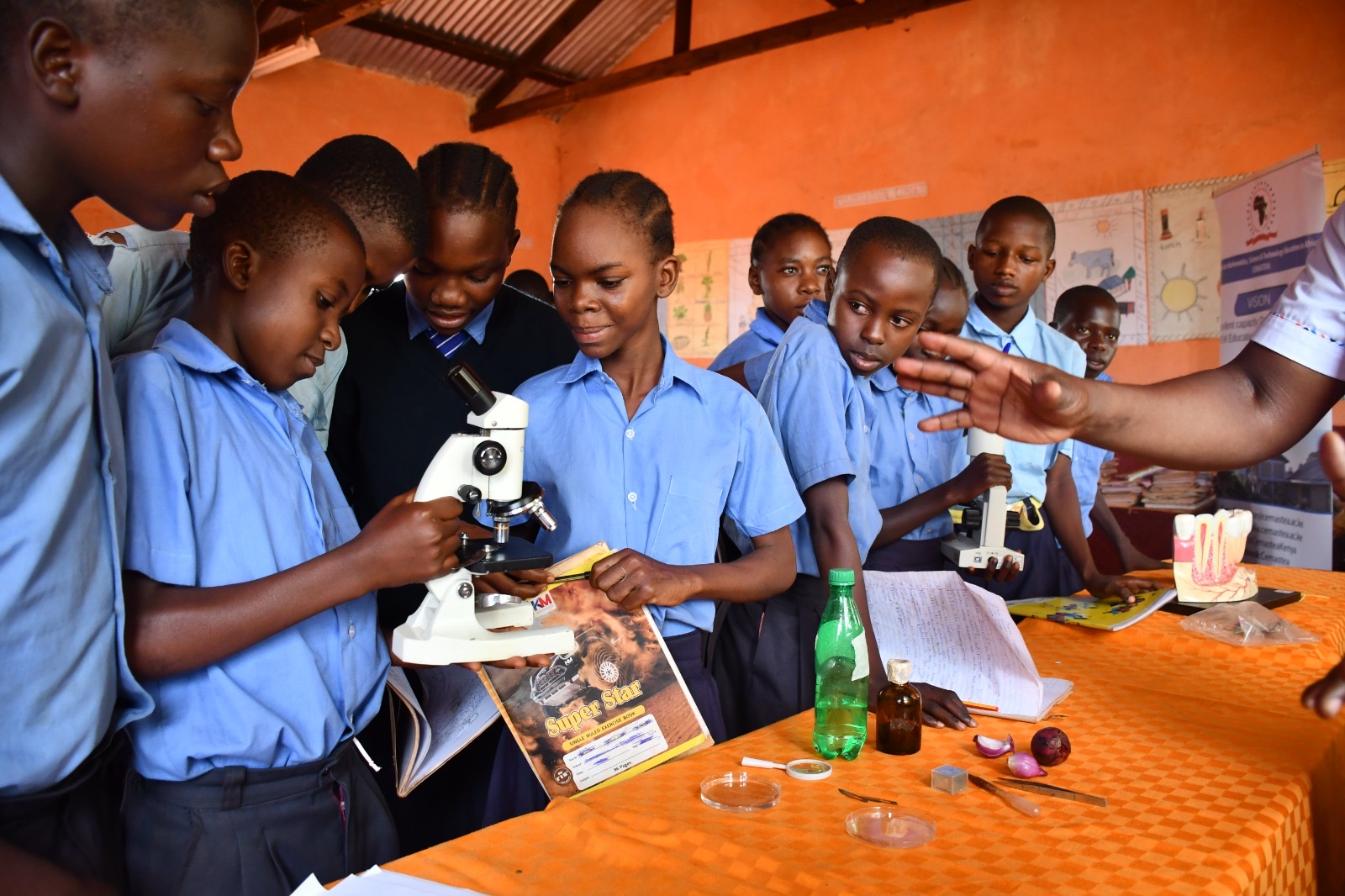
Practical Engagement: Children are no longer passive recipients of information; they are creating models, engaging in basic agriculture, conducting simple scientific experiments, and learning public speaking.
-
Early Specialization: By exposing learners to varied activities early on, the curriculum allows teachers and parents to identify specific interests—whether in visual arts, technical skills, or digital literacy—long before students reach senior levels.
-
Digital Literacy: The integration of tablets and digital research into project work is building fundamental technological fluency that previous generations only encountered much later in life.
If implemented under optimal conditions, CBC proves that experiential learning builds higher retention and genuine interest compared to traditional cramming.
The Structural Cracks: Where Implementation Is Falling Short
Despite these evident wins, systemic challenges continue to strain parents, educators, and vulnerable student populations.
1. Teacher Capacity and Preparedness
A curriculum is only as effective as the educators delivering it. While thousands of teachers have undergone retooling, widespread gaps persist in continuous training. Many instructors report feeling overwhelmed by complex assessment criteria and continuous portfolio management. Furthermore, issues surrounding teacher employment conditions, such as calls for permanent contracts, improved salary scales, and manageable pupil-to-teacher ratios—directly impact classroom outcomes.
2. Resource Disparities and Public School Infrastructure
The promise of practical, technology-driven education encounters a stark reality in underfunded public and rural schools. High-speed internet, functional computing devices, and basic science equipment remain out of reach for millions of students.
3. The Forgotten Promise of Inclusion
The most pressing question facing CBC today comes from learners with special needs: Are we truly included?
Inclusive education cannot exist merely on paper. Visually impaired learners cannot participate in digital projects without screen readers or specialized Braille displays. Hearing-impaired students require classrooms with proficient sign language instructors.
Learners with mobility challenges frequently confront physical infrastructure that lacks basic ramps and adapted desks. If there is no specialized assistive technologies and dedicated special needs education (SNE) funding, CBC risks widening the developmental gap between neurotypical learners and those with disabilities.
4. Unclear Transition Pathways
Moving learners from primary institutions into Junior Secondary Schools (JSS) and eventually Senior Secondary pathways requires absolute clarity. Without clear linkages between secondary specializations, Technical and Vocational Education and Training (TVET) institutions, and university degree programs, the system creates anxiety for students transitioning to higher learning.
The Path Forward: True Competency Must Mean Competency for All
The Presidential Working Party on Education Reform made it clear that scrapping the CBC is neither practical nor beneficial. Strengthening the framework remains the only viable path forward. Realizing the full potential of this reform requires policy directives to translate into direct budgetary support.
                 +-----------------------------------+
                 |    Inclusivity-Driven Reform      |
                 +-----------------------------------+
                                   |
         +-------------------------+-------------------------+
         |                         |                         |
         v                         v                         v
+------------------+     +-------------------+     +-------------------+
| Ring-Fenced SNE  |     | Infrastructure &  |     | Comprehensive SNE |
|    Capitation    |     |  Assistive Tech   |     | Teacher Retooling |
+------------------+     +-------------------+     +-------------------+
-
Targeted Financing: Government capitation for Special Needs Education must be increased and disbursed promptly to ensure institutions can purchase modern assistive devices and adaptive learning tools.
-
Mandatory SNE Training: Special needs training must be integrated into all teacher preparation programs so that every educator can support diverse learning requirements.
-
Infrastructure Upgrades: National guidelines must enforce accessible architectural standards across all public schools, from ramps to adapted sanitation facilities.
-
Clear Articulation Routes: Higher education regulators must finalize transparent transition frameworks connecting senior high school career pathways directly to TVETs, universities, and job markets.
The Final Assessment
The evolution from 8-4-4 to CBC represents a fundamental shift in how Kenya views human potential. Moving away from high-stakes examination pressure toward skill acquisition remains a sound educational vision. However, the measure of CBC’s ultimate success will not be judged by the achievements of well-resourced urban academies.
The true benchmark of “competency” lies in whether the curriculum empowers every child—including those using wheelchairs, learners who are deaf or blind, and students attending remote rural schools. Only when implementation becomes fully inclusive will the Competency-Based Curriculum deliver on its promise to build an equitable, skilled generation for Kenya’s future.
About the Author
Tracy Atieno Apondu is an ICT student at Sigalagala National Polytechnic, content writer, and disability advocate. Leveraging her skills in digital literacy and tech, she writes insightful articles on technology, education, and inclusion to inform and inspire positive change.
📩 Contact: atienotracy372@gmail.com

