
AFCON U-17: 5 Nations That Mastered Grassroots Development to Produce Two-Time African Champions


Football development across Africa finds its ultimate testing ground in the Under-17 Africa Cup of Nations, a tournament where raw potential transforms into tactical excellence. Many countries have experienced flashes of brilliance on the continental stage but sustaining success at this level requires robust talent pipelines and structural continuity. Only five elite nations have managed to navigate the unpredictable terrain of youth football to claim the coveted trophy a record two times each.
These powerhouses have turned grassroots scouting networks and academy structures into reliable assembly lines for continental silverware. Their triumphs did not happen by chance; they were the direct result of deliberate investment in youth systems that allowed them to outlast Africa’s best.
Kenya Frontline looks at five nations who achieved their dual victories and looking at the opponents they conquered in the finals, we get a clear blueprint of what it takes to dominate African youth football.
1.Ghana

Football infrastructure in Ghana during the 1990s set the standard for the entire continent, heavily relying on a vibrant school sports system and early academy models to feed the national teams. This deliberate focus on technical proficiency paid off spectacularly during the inaugural standalone tournament in 1995, hosted by Mali. The Starlets showcased breathtaking attacking prowess throughout the competition, signaling the arrival of a new golden generation that would dominate age-grade competitions globally. They sealed their historic maiden continental crown by defeating arch-rivals Nigeria 3-1 in a thrilling, extra-time final in Bamako.
Establishing long-term football dominance requires consistency, and Ghana proved their youth production pipeline was no fluke by climbing back to the mountaintop just four years later. The 1999 edition in Guinea saw a reconstructed Starlets squad display the same tactical maturity and flair that defined their predecessor team. Navigating a fiercely competitive field, they marched confidently into the final to face a highly-rated Burkina Faso side. Ghana asserted their authority with a commanding 3-1 victory to secure their second continental trophy, cementing their status as the early rulers of African youth football.
Grassroots football development in the country subsequently faced evolving structural challenges, but the legacy of those two initial triumphs laid the foundation for future generations. Ghana became a reference point for scouts across the globe, proving that early talent identification combined with tournament grit creates champions. While they reached the final again in 2005 and 2017 only to finish as runners-up, their early double-glory era remains a masterclass in capitalizing on a nation’s natural athletic baseline.
2.Nigeria

Football talent in Nigeria has always been abundant, but the turn of the century marked a period where the Golden Eaglets coupled their natural athleticism with elite tournament mentality. During the 2001 championship held in the Seychelles, Nigeria put on a clinic of modern, high-tempo youth football that left opponents chasing shadows. They breeze through the group stages and knockout rounds with a blend of physical dominance and sharp technical execution. In the final, Nigeria comfortably dismantled a resilient Burkina Faso team with a definitive 3-0 victory to claim their first official Under-17 continental title.
Grassroots football operations in Nigeria continued to churn out elite prospects, leading to another dominant cycle just six years later at the 2007 tournament in Togo. This particular Golden Eaglets squad was renowned for its defensive resilience and lethal counter-attacking efficiency, characteristics that defined Nigerian football during that era. They ground their way through a tense and highly tactical tournament, proving they could win both beautiful and ugly matches. Facing a surprise package in host nation Togo for the final, Nigeria fought through a grueling extra-time period to secure a tight 1-0 win and capture their historic second title.
Youth football scouting frameworks in Nigeria frequently leveraged local academy networks and street tournaments, ensuring that top-tier talent never slipped through the cracks. This relentless pipeline didn’t just bring continental success; it famously translated into multiple FIFA U-17 World Cup titles, making Nigeria’s youth system feared worldwide. Though they suffered heartbreaking final losses in 1995 and 2013, their status as a two-time African champion remains a testament to their unrivaled grassroots depth.
3.Cameroon
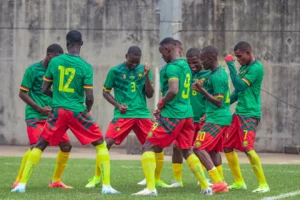
Football methodology in Cameroon took a decisive, structured turn toward the youth echelons in the early 2000s, moving away from relying solely on senior-team miracles. This systemic shift bore immediate fruit during the 2003 tournament hosted in Swaziland, where the Indomitable Cubs exhibited incredible defensive organization and physical stamina. They nullified some of the most fluid attacking sides on the continent, proving that structure wins youth tournaments just as effectively as flair. In a tightly contested, dramatic final that stretched into extra time, Cameroon edged out Sierra Leone 1-0 to lift their historic first youth trophy.
Elite football development requires patience, and it took Cameroon exactly sixteen years to replicate that blueprint and ascend to the continental throne once more. The 2019 edition in Tanzania witnessed a highly disciplined Cubs side that mirrored the legendary resilience of their senior counterparts. They navigated the tournament with a mature approach, prioritizing clean sheets and collective tactical discipline over individual showmanship. After a tense, tactical stalemate against Guinea in the final, Cameroon kept their nerve in a dramatic penalty shootout, winning 5-3 to secure their second African crown.
Grassroots football academies across Cameroon have since used these twin triumphs as inspiration, validating the country’s reputation for producing mentally tough, physically imposing athletes. The ability to win titles nearly two decades apart demonstrates that despite changing eras and coaching philosophies, Cameroon’s core youth football identity remains remarkably resilient. By pairing natural physical attributes with structured tournament strategies, they carved out their well-deserved place in this exclusive multi-title club.
4.Gambia
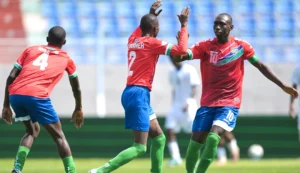
Football development in Gambia provided one of the most remarkable stories in African sports history when the small West African nation emerged as a youth powerhouse. Investing heavily in local school tournaments and regional selection camps, the Baby Scorpions shocked the continent when they hosted the tournament in 2005. Riding a massive wave of passionate home support and displaying a highly technical, fearless brand of football, they went toe-to-toe with the traditional giants of the game. In a historic final in Banjul, Gambia stunned a heavily favored Ghanaian side 1-0 to lift their maiden continental championship.
Continental football success can sometimes be a one-off achievement for smaller nations, but Gambia shattered that narrative by repeating the feat four years later. The 2009 edition in Algeria saw the Baby Scorpions prove that their grassroots blueprint was sustainable, marching through the tournament with tactical sophistication and clinical finishing. They outplayed established football academies from across the continent, showing immense composure in hostile away environments. Facing the host nation Algeria in the final, Gambia put on a masterful away performance to win 3-1, capturing their second Under-17 title in style.
Structured youth football programs became the pride of Gambian sports, proving that population size matters less than dedicated talent cultivation and administrative focus. These two historic titles put Gambian football on the global map and opened doors for dozens of young players to transition into major European leagues. Their inclusion in this elite five-nation club serves as a powerful reminder that targeted grassroots investment can disrupt traditional continental hierarchies.
5.Mali

Football infrastructure in Mali underwent a massive revolution in the late 2000s, driven by the rise of world-class private academies working hand-in-hand with the local federation. This meticulous focus on technical excellence and tactical intelligence culminated in absolute dominance during the 2015 tournament in Niger. The Les Aiglons squad mesmerized fans and scouts alike with their fluid passing, positional awareness, and relentless attacking philosophy. They capped off a flawless tournament by defeating a highly competitive South African team 2-0 in the final to claim their first well-deserved title.
Sustaining football excellence at the Under-17 level is notoriously difficult due to rapid age turnover, but Mali’s academy system proved it could reload talent instantly. At the 2017 tournament in Gabon, the Malian conveyor belt produced another exceptional group of players who successfully defended their crown. This squad combined the technical brilliance of the 2015 team with an added layer of physical resilience and tactical adaptability. They secured their historic back-to-back double by edging out old foes Ghana 1-0 in a closely fought, tactical showcase in Libreville.
Grassroots football philosophy in Mali remains the gold standard for youth development across the continent, characterized by an unwavering commitment to nurturing technical ball-carriers. Their structural consistency is further highlighted by their recent silver medal in 2025, showing they are never far from the trophy. By winning consecutive titles, Mali proved that when a nation masters the transition from grassroots scouting to elite academy training, continental dominance inevitably follows.

