
Breaking the Silence: How Kenyan veteran politician Beth Mugo championed early detection across East Africa

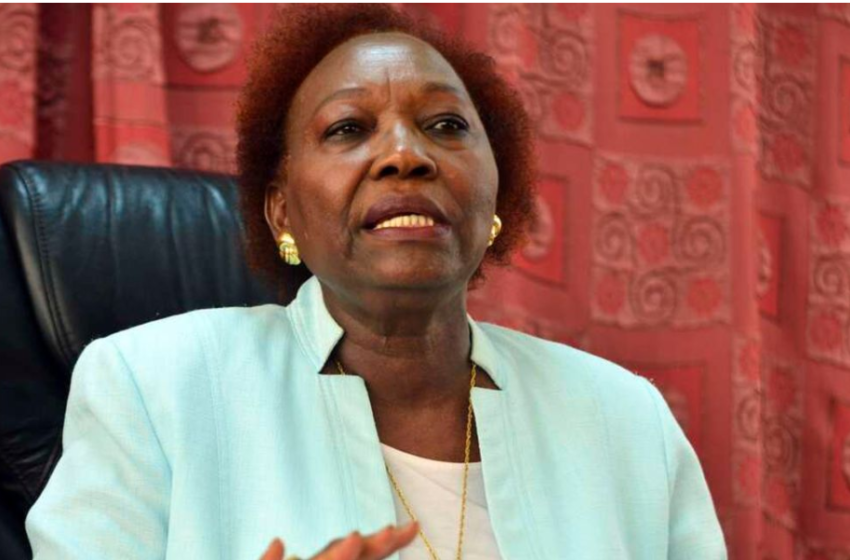
If there is one lesson Beth Wambui Mugo’s journey with breast cancer has taught Kenyans, it is that early detection can make a life-changing difference. The veteran politician transformed her personal health battle into a public campaign for cancer awareness, encouraging people to seek medical attention and challenge the stigma surrounding the disease. Diagnosed in November 2011, Mugo underwent treatment in the United States before using her public platform to advocate for earlier diagnosis and better access to cancer care.
Mugo’s story extends beyond her political career. As a former Cabinet minister and long-serving public figure, she had the visibility to bring an uncomfortable subject into national conversation. By speaking openly about her diagnosis, she challenged the perception that cancer should be discussed privately or that a diagnosis automatically means there is no hope.
Read Also: Pharmacy Board Looks to Shape Future of Pharmaceutical Practice
Her experience also highlighted a wider challenge facing Kenya and other East African countries: ensuring that cancer awareness is matched by accessible screening, reliable diagnostic services and affordable treatment. Public education can encourage people to seek help, but lasting progress depends on whether healthcare systems can respond when patients need medical attention.
The importance of her advocacy lies in that connection between personal experience and public responsibility. Mugo’s journey illustrates how a health crisis can motivate a public figure to champion change, while raising questions about the support available to ordinary citizens who face the same diagnosis without comparable resources or influence.
In 2012, Mugo spoke about the importance of identifying cancer early, emphasising that patients who seek medical attention before the disease advances may have better treatment prospects. Her message remains relevant to communities where fear, misinformation and financial barriers can discourage people from seeking help.
A Personal Battle That Changed the Conversation
Mugo’s cancer diagnosis in November 2011 marked a major turning point in her life. A mammogram detected breast cancer, and she subsequently underwent treatment in the United States. The experience exposed her to the uncertainty that accompanies a serious diagnosis and the importance of accessing appropriate medical care.
According to Capital FM Kenya’s report on Mugo’s cancer diagnosis, the politician later spoke publicly about her condition, helping bring greater attention to breast cancer and the value of early detection.
Her decision to share the experience was significant in a society where cancer can carry considerable emotional and social stigma. Patients may fear discrimination, worry about how relatives will react or struggle to discuss symptoms they find embarrassing. Such concerns can delay medical consultations, allowing potentially serious conditions to progress without assessment.
Read Also: Top Comoros Official Hospitalized in Nairobi Amid Rising Tensions in Moroni
Public figures who speak about their experiences can help make these conversations easier. Mugo’s disclosure showed that a cancer diagnosis can affect people across professions, social backgrounds and levels of public influence.
The experience also highlighted inequalities in healthcare access. Patients who can travel abroad for specialised treatment may have options unavailable to families who depend on local facilities and have limited financial resources.
Mugo’s recovery became a foundation for her subsequent advocacy. Rather than treating the experience solely as a private chapter of her life, she used it to encourage greater public understanding of cancer and the importance of strengthening medical services in Kenya.
From Cancer Survivor to Awareness Champion
Mugo’s advocacy developed into organised efforts to promote cancer awareness and screening. Through the Beth Mugo Cancer Foundation, she became associated with initiatives aimed at educating communities about breast, cervical and prostate cancers.
The approach recognised that information about cancer must reach people before they face a medical emergency. Community education can help individuals understand the importance of screening, recognise possible warning signs and learn where to seek professional advice.
Awareness campaigns also help challenge the belief that discussing cancer brings misfortune or that a patient should conceal a diagnosis from family and friends. Open conversations can make it easier for people to seek support and encourage relatives to take their health seriously.
However, awareness alone cannot resolve every challenge. Screening programmes must be connected to diagnostic facilities, qualified medical personnel and appropriate treatment. Patients who receive an abnormal screening result need a clear pathway to further assessment rather than being left uncertain about what to do next.
Mugo’s public engagement therefore reflects a broader principle in cancer control: education, diagnosis and treatment must work together. Encouraging people to seek medical care is meaningful only when the healthcare system can provide the services they need.
Her experience also demonstrated how political influence can help sustain attention on a public health issue. Cancer awareness requires consistent investment and engagement, not just temporary publicity when a prominent individual announces a diagnosis.
Why Early Detection Matters
Cancer can become more difficult to treat when diagnosis occurs after the disease has advanced. Early diagnosis involves recognising possible symptoms and obtaining prompt medical assessment, while screening seeks to identify particular cancers in eligible people who do not yet have symptoms.
The World Health Organization’s guidance on early cancer diagnosis explains why recognising symptoms, obtaining timely assessments and beginning appropriate treatment are important parts of cancer control.
For breast cancer, changes such as a new lump, an unusual change in breast shape, skin dimpling or changes around the nipple should be assessed by a qualified healthcare professional. Such changes do not automatically mean cancer is present, but medical evaluation can help establish the cause.
Mammography is an important screening tool for eligible women, depending on individual circumstances and applicable medical guidance. Screening recommendations should be discussed with healthcare professionals, particularly where age, family history or other risk factors may influence the appropriate approach.
Cervical cancer presents another major public health challenge. The disease is closely associated with persistent infection from high-risk types of human papillomavirus, or HPV. Vaccination, recommended screening and appropriate treatment of precancerous changes can help reduce the risk of cervical cancer.
The WHO’s cervical cancer information outlines the importance of prevention, screening and treatment. These interventions demonstrate that cancer awareness is most effective when people can access practical services that support prevention and early diagnosis.
Mugo’s advocacy helped bring these issues into public conversation, but the broader responsibility rests with governments, healthcare providers and communities to ensure that information translates into action.
Kenya’s Challenge: Turning Awareness Into Accessible Care
Kenya has made efforts to strengthen cancer prevention, screening and diagnosis, but access to services remains an important concern. Specialist facilities are concentrated in particular urban centres, meaning some patients must travel considerable distances to receive assessment or treatment.
The financial consequences can be severe. Consultation fees, diagnostic tests, medicines, accommodation and transport may place pressure on households already struggling with everyday expenses. Patients may also lose income during treatment, while family members sometimes have to reduce working hours to provide care.
These difficulties can discourage people from seeking medical attention at the earliest opportunity. Some may initially dismiss symptoms, while others delay visiting a hospital because they fear the cost of discovering what is wrong.
Kenya’s National Cancer Screening and Early Diagnosis Guidelines, Second Edition, 2024 provide guidance for strengthening cancer detection and improving consistency across healthcare services.
Effective implementation requires trained healthcare workers, appropriate equipment, reliable referral systems and clear communication with patients. Screening initiatives must also be supported by sufficient diagnostic capacity so that people who require further investigation are not left waiting unnecessarily.
The National Cancer Institute of Kenya provides information and supports national efforts to improve cancer control. Continued collaboration between national and county governments, healthcare institutions and community organisations can help expand access to information and services.
Mugo’s experience underscores why early detection must be treated as both a medical priority and a question of healthcare access. People should not need exceptional financial resources or international connections to obtain timely medical assessment.
Read Also: KNEC Grade 10 Assessment 2026: Guidelines, Timelines & School Requirements
Extending the Message Across East Africa
The relevance of Mugo’s advocacy extends beyond Kenya because neighbouring countries face related challenges involving cancer awareness, screening capacity and specialist treatment.
East African communities differ in healthcare resources, population needs and access to medical services. Nevertheless, the importance of public education, timely diagnosis and affordable treatment cuts across national borders.
Regional cooperation can support the exchange of medical expertise, public health information and effective approaches to cancer prevention. Governments and healthcare institutions can also learn from programmes that successfully connect community outreach with diagnostic and treatment services.
Mugo’s documented advocacy is primarily associated with Kenya. Its wider regional significance lies in the lessons her experience offers other countries, rather than an assumption that her foundation operates formal screening programmes throughout East Africa.
Public figures can contribute by encouraging people to seek medical advice and challenging misconceptions. Healthcare professionals remain essential in providing accurate information, conducting assessments and recommending appropriate care.
Community organisations, schools, religious institutions and local media can also help deliver messages in languages and formats that people understand. Such initiatives may be especially useful in areas where access to specialist information is limited.
The goal is to create an environment in which people feel able to discuss cancer openly and seek medical attention without fear of judgement. Awareness should be accompanied by practical information about where services are available and how patients can access them.
The Importance of Financial Protection and Patient Support
A cancer diagnosis affects more than the patient’s physical health. Families may experience emotional distress, uncertainty about the future and financial pressure as they navigate treatment.
Patients who require repeated hospital visits may struggle with transport expenses, lost earnings and the cost of medicines. Those living far from specialist facilities can face additional challenges involving accommodation and the need for family members to accompany them.
Mugo’s ability to seek treatment abroad illustrates the importance of access to specialised healthcare, but it should not obscure the difficulties faced by people who cannot afford similar options.
A stronger cancer care system must make timely diagnosis and appropriate treatment more accessible. Financial protection, clear referral pathways and dependable information about available services can help prevent patients from abandoning care because of cost or confusion.
Support groups and community organisations may also provide practical assistance and emotional encouragement. Their role should complement, rather than replace, professional medical care.
The long-term measure of cancer advocacy should include improvements in access to screening, timely assessment, treatment and follow-up. Public campaigns are important, but their success ultimately depends on whether people can obtain the services they need.