
Remembering Bidemi Aluko-Olaseni: Super Falcons goalkeeper who fought her toughest match off pitch

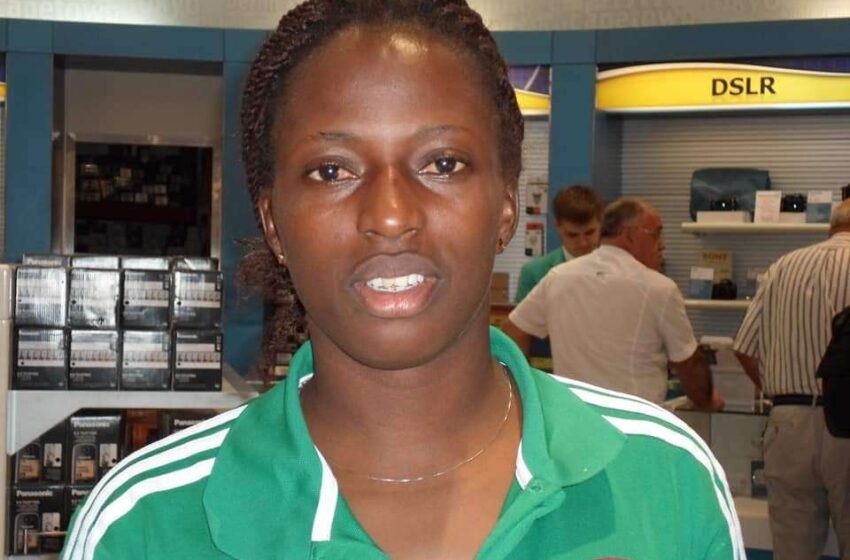
Bidemi Aluko-Olaseni. IMAGE/ Punch
Pain became part of Bidemi Aluko-Olaseni’s life long before Nigerian football supporters learnt of the battle that would ultimately define her final years.
The former Super Falcons goalkeeper faced an opponent that could not be stopped by a save, outmanoeuvred through tactical awareness or defeated through the determination that football demands.
Diagnosed with breast cancer in 2017, the Nigerian international endured years of treatment before passing away in March 2024 after an eight-year battle with the disease.
Football supporters often remember athletes through their finest moments, including important saves, international appearances and the occasions when they represented their country. Aluko-Olaseni’s story carries a different kind of significance.
Beyond the football pitch, it reveals the vulnerability of professional athletes and the difficulties that emerge when a promising sporting career is interrupted by a serious illness.
Read Also: Pharmacy Board Looks to Shape Future of Pharmaceutical Practice
The goalkeeper represented Nigeria at international level and played for clubs including Rivers Angels, Sunshine Queens and Ekiti Babes. Her career formed part of the wider development of women’s football in Nigeria, a country whose national teams have helped establish Africa’s reputation in the women’s game. Yet her life also exposed the financial and emotional pressures that can confront athletes who suddenly find themselves unable to continue playing.
News of her death prompted an outpouring of grief from Nigerian football authorities and supporters. The Nigeria Football Federation (NFF) acknowledged the lengthy battle she had endured, paying tribute to a player whose football ambitions were disrupted by illness.
“We are sad to hear of the passing of former Super Falcons goalkeeper, Bidemi Aluko-Olaseni after an eight-year battle with cancer,” the NFF said in its tribute, as reported by Channels Television.
A Football Journey Interrupted by Illness
Aluko-Olaseni’s football career developed within Nigeria’s competitive women’s game, where players must combine technical ability with discipline, commitment and the determination to earn opportunities at the highest level.
Her time with the Super Falcons between 2012 and 2013 placed her within the national team environment. The position of goalkeeper demands exceptional concentration, quick reactions and the confidence to make difficult decisions under pressure. Unlike outfield players, goalkeepers can spend long periods waiting for decisive moments, knowing that a single intervention may determine a match.
Such responsibilities require mental strength, but the qualities needed to succeed in football cannot eliminate the uncertainty that comes with serious illness.
Aluko-Olaseni was still playing for Rivers Angels when she was diagnosed with breast cancer in 2017. The condition forced her to step away from the sport she had pursued professionally, beginning a difficult period that would change the direction of her life.
According to a 2019 report by PUNCH, the former goalkeeper had been battling the disease for years. Her experience highlighted the reality that retirement from football does not always happen through choice, age or the natural progression of a sporting career.
For an athlete whose life revolves around training, competition and team responsibilities, an unexpected diagnosis can bring profound changes. Daily routines are disrupted, future plans become uncertain, and attention shifts from sporting ambitions to treatment and recovery.
Aluko-Olaseni’s experience was a reminder that the people celebrated on the pitch face the same human vulnerabilities as everyone else.
The Public Appeal That Revealed Her Struggle
In 2019, Aluko-Olaseni spoke publicly about her medical condition and the financial difficulties associated with treatment. Her appeal brought attention to the challenges she faced after cancer forced her to leave professional football.
In an interview published by Within Nigeria, which reproduced details from her interview with PUNCH, she explained that she had undergone surgery and required further treatment.
The former goalkeeper said she needed approximately five million naira to meet her medical expenses. Her appeal exposed a difficult reality: athletes who once competed at national level can find themselves struggling to finance essential healthcare after their playing careers are interrupted.
Professional football is often presented as a world of opportunity, but financial security is not guaranteed for every player. Earnings vary significantly between leagues, clubs and levels of competition. Many athletes also lack the long-term financial protection available to workers in some other professions.
Serious illness can deepen those difficulties. Treatment may involve repeated hospital visits, medication and extended periods away from employment. Families may be required to contribute money, organise care and manage the emotional strain associated with uncertainty about the future.
Read Also: Top Comoros Official Hospitalized in Nairobi Amid Rising Tensions in Moroni
Aluko-Olaseni’s appeal therefore represented more than an individual request for assistance. It raised questions about the structures available to footballers when they can no longer earn a living through the game.
Her circumstances also illustrated why player welfare should remain a priority for football authorities, clubs and other stakeholders. Recognition of sporting talent should extend beyond the period in which an athlete remains available for selection.
The Super Falcons Legacy and the Importance of Recognition
Nigeria’s Super Falcons have long been a powerful presence in African women’s football. Their achievements have helped inspire generations of girls to pursue the sport, challenging traditional assumptions about women’s participation in competitive football.
The national team has produced players whose influence extends beyond individual results. Through international appearances and professional careers, these athletes have helped create opportunities for younger footballers seeking to follow similar paths.
Aluko-Olaseni’s place in this wider story deserves acknowledgement. Her international career may not have attracted the same attention as that of Nigeria’s most celebrated stars, but every player who reaches the national team contributes to the country’s football history.
Women’s football also continues to confront challenges involving investment, facilities, remuneration and public visibility. Those issues become particularly important when players face circumstances that threaten their careers or livelihoods.
Recognition should not depend entirely on medals, trophies or the number of international appearances accumulated. Athletes who experience interrupted careers remain part of the sporting community, and their experiences can provide valuable lessons for administrators and future generations.
Aluko-Olaseni’s story invites supporters to consider how football remembers its players, especially those whose most difficult battles unfold away from public view.
The Responsibility of Football Authorities
Aluko-Olaseni’s illness raised important questions about the support available to footballers facing serious medical conditions. Her public appeal in 2019 drew attention to the cost of treatment and the difficulties associated with accessing sufficient financial assistance.
Football governing bodies and clubs operate within different financial circumstances, but player welfare should remain a central consideration across the sport. Medical insurance, emergency assistance and clear procedures for supporting former players can help reduce the risks faced by athletes whose careers are disrupted by illness.
Such measures are particularly important in women’s football, where players in some competitions may have limited financial resources and fewer opportunities to secure long-term contracts.
A serious diagnosis can change an athlete’s life in a matter of days. The response should not depend entirely on whether the player remains part of an active squad or can contribute to upcoming competitions.
Support systems also need to account for the families who frequently shoulder significant responsibilities during prolonged illness. Practical assistance, access to reliable medical information and respectful communication can make a meaningful difference during difficult periods.
Aluko-Olaseni’s experience cannot, by itself, establish the circumstances of every Nigerian footballer. It does, however, demonstrate why welfare arrangements deserve sustained attention rather than discussion only after a tragedy.
Remembering the Person Beyond the Goalposts
The death of a former international is a reminder that sporting achievements exist alongside personal experiences that supporters may never fully understand.
Aluko-Olaseni’s life included a football career, international representation and years of struggle with cancer. Reducing her story to the disease alone would overlook the ambition that brought her into professional football and the contribution she made to the women’s game.
Responsible remembrance means acknowledging both her sporting identity and the circumstances that interrupted her career. It also requires sensitivity towards her family and respect for the facts established by reliable reporting.
Cancer can affect people across different professions and backgrounds. Athletes may be accustomed to physical preparation and competitive discipline, but serious illness cannot always be overcome through determination alone. Treatment, medical expertise and access to appropriate care are essential, and outcomes remain uncertain even when patients pursue every available option.
Aluko-Olaseni’s story should therefore inspire compassion rather than simplistic narratives about winning or losing a fight. The language of sport can help people understand courage, but illness is not a competition in which every patient has equal resources or the same outcome.
A Legacy That Extends Beyond Football
Bidemi Aluko-Olaseni died in March 2024, leaving behind a story that continues to resonate within Nigerian football. The Nigeria Football Federation’s tribute acknowledged the eight-year battle that preceded her death and offered condolences to her family.
The significance of her story extends beyond the circumstances of her passing. It highlights the importance of protecting athletes, supporting former players and recognising that sporting careers are only one part of a person’s life.
We are sad to hear of the passing of former @NGSuper_Falcons goal keeper, Bidemi Aluko-Olaseni after an eight-year battle with cancer. Our thoughts and prayers are with the family. May her gentle soul rest in peace https://t.co/2l8cxygzrD
— The NFF 🇳🇬 (@thenff) March 2, 2024
Young footballers watching the Super Falcons today deserve opportunities to develop their talent in an environment that values their welfare. Clubs and governing bodies must continue working towards better medical support, sustainable career pathways and meaningful assistance for players who face unexpected hardship.
Read Also: KNEC Grade 10 Assessment 2026: Guidelines, Timelines & School Requirements
Supporters, meanwhile, can honour athletes by remembering their contributions with accuracy and compassion. Their stories deserve attention even when they do not end with a trophy celebration or a triumphant return to the pitch.
Aluko-Olaseni’s journey was marked by football ambition, international representation and a prolonged struggle with cancer. Her memory offers a moment to reflect on the human realities behind the game and the responsibilities that come with celebrating its players.
The goalposts may define where a goalkeeper works, but they cannot define the full measure of her life. Bidemi Aluko-Olaseni’s story remains a reminder that athletes deserve recognition not only for what they achieve on the pitch, but also for the humanity that exists beyond it.