
Digital Credit Regulations 2026: Parliament Loan Caps, CRB Inquiry Surge , UNCDF Fintech Guarantee Facility

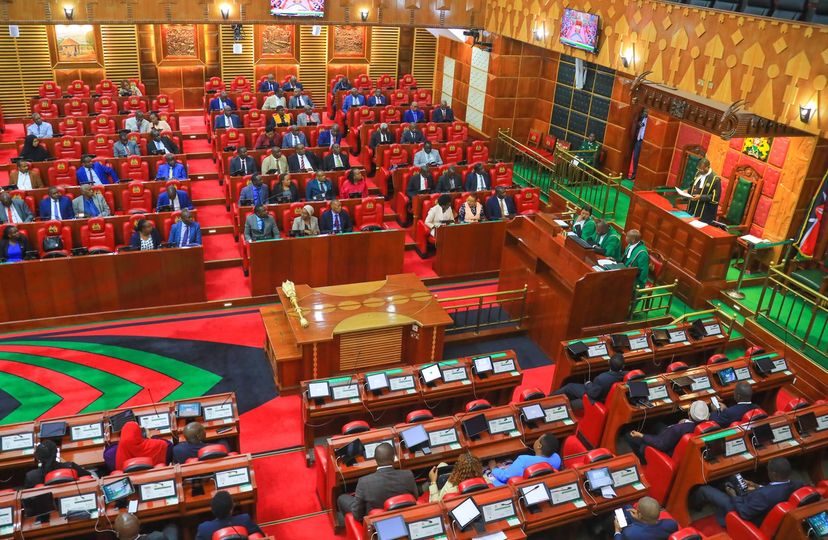
Parliament
A fresh regulatory push is reshaping the country’s digital credit market as Parliament considers tighter controls on mobile lending while banks expand financing to businesses and households.
The developments point to two competing pressures in the financial sector. Lawmakers and regulators are seeking stronger protection for borrowers against excessive charges, aggressive debt collection and misuse of personal information, while financial institutions are trying to widen access to credit as private-sector lending recovers.
The changing market is reflected in new data from the Central Bank of Kenya’s banking sector report, which shows that credit reports requested by banks increased by 23 per cent in 2025, rising from 38.6 million in 2024 to 47.3 million. CBK attributed the increase largely to stronger demand for credit and growth in lending to the private sector. CBK’s 2025 banking sector report records the full credit-bureau figures and trends.
Read Also: Pharmacy Board Looks to Shape Future of Pharmaceutical Practice
The surge comes as the country continues to tighten supervision of digital lenders. In July 2026, CBK licensed another 25 digital credit providers, taking the number of licensed providers to 252. The regulator said the licensing drive was designed to address concerns over high costs, unethical debt collection and misuse of customer information. CBK’s July 2026 digital-credit licensing announcement provides the latest official figures.
At the same time, a new financing arrangement involving the United Nations Capital Development Fund and Co-operative Bank is seeking to channel more capital to digitally enabled businesses and MSMEs.
Parliamentary Push for Tighter Digital Lending Rules
The renewed parliamentary scrutiny comes against a background of complaints about the way some digital lenders operate.
In February, National Treasury Cabinet Secretary John Mbadi told the Senate that the Government was strengthening the licensing and regulatory framework for non-deposit-taking credit providers. He said the measures were intended to protect consumers and address concerns surrounding exorbitant interest rates, debt collection and personal-data practices.
The Parliamentary briefing on rogue digital lenders shows that the Government considers licensing, consumer protection and data privacy central to the regulation of the sector.
The debate has since moved towards additional legislative controls.
Read Also: Kenyan marathoner remanded over Ksh8 million land fraud case
A draft legislative proposal fronted by Kisumu West MP Rosa Buyu seeks tighter requirements for non-deposit-taking microfinance businesses, including fuller disclosure of loan charges and terms before credit is advanced. The proposal is part of a wider parliamentary discussion about how borrowers should be protected from lending arrangements whose total costs may not be immediately obvious.
A report on the proposed mobile-lending rules says the proposal would require lenders to provide borrowers with material information about the costs and consequences of borrowing before a loan is granted.
The significance of the proposal lies in the changing nature of digital credit.
Mobile loans are often approved within minutes, with borrowers making decisions through an application or USSD platform rather than sitting across a desk from a loan officer. That convenience can make transparency particularly important.
The country’s existing Digital Credit Providers Regulations, 2022 already require lenders to disclose key information, including the loan amount, charges, interest rate, other fees, repayment obligations, total cost of credit and annual percentage rate.
The Digital Credit Providers Regulations set out these disclosure requirements and require terms to be presented in a clear and accessible format.
The current legislative debate therefore builds on an existing regulatory framework rather than starting from scratch.
Interest Costs, Debt Collection and Consumer Protection
Interest-rate regulation remains one of the most sensitive issues in the credit market.
The country has previous experience with statutory interest-rate controls. Parliament introduced a bank lending-rate cap in 2016, although the measure was later repealed. Research examining that period found that the cap affected how borrowers and lenders behaved, with consequences differing according to borrower risk.
The 2026 NBER research on Kenya’s interest-rate caps notes that the earlier regime produced changes in lending and borrowing behaviour and examines how the effects differed among borrowers.
That history is relevant to the current debate because a tighter ceiling on lending costs could affect more than the price of a loan.
Lenders assess risk when deciding whether to approve applications. If pricing is restricted, institutions may respond by changing eligibility requirements, loan sizes, repayment periods or the categories of customers they are willing to serve.
That creates a policy challenge.
Read Also: Top Comoros Official Hospitalized in Nairobi Amid Rising Tensions in Moroni
Borrowers need protection from excessive charges and abusive collection methods, but policymakers also need to consider whether restrictions could make it harder for higher-risk customers and small businesses to obtain formal credit.
The Central Bank’s current framework already gives it substantial oversight of digital lenders. CBK says the Central Bank of Kenya Amendment Act 2021 empowered it to license, regulate and supervise digital credit providers, with the Digital Credit Providers Regulations becoming operational in March 2022. CBK’s digital-credit regulatory framework explains the licensing system and its objectives.
The regulator’s July 2026 announcement showed how much the market has expanded under that framework. Licensed digital credit providers had issued more than 8.37 million loans valued at KSh150.56 billion by May 2026.
That scale makes the question of pricing and debt-collection standards increasingly important.