
Division of Revenue Bill 2026 Mediation Unlocks Vital Strategic Resource Allocation Frameworks

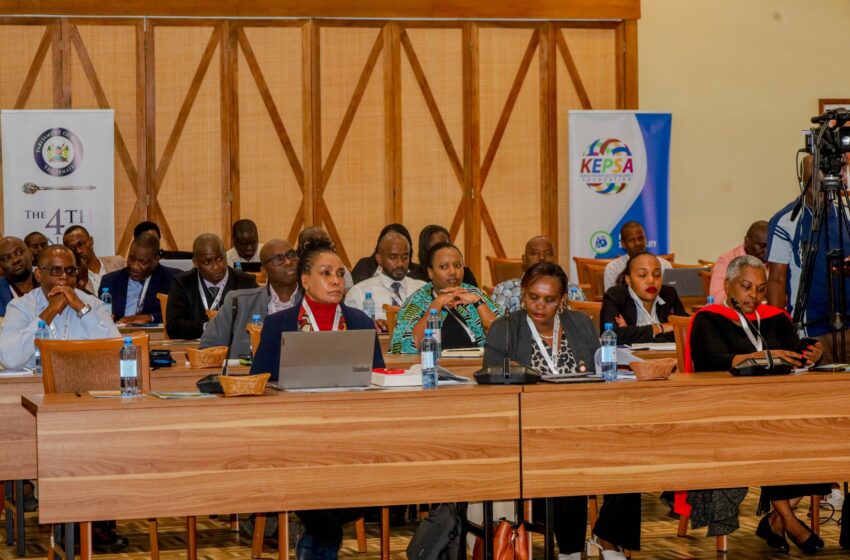
The National Assembly and the Senate have entered a critical legislative mediation window designed to resolve deep structural disagreements regarding county-level equitable revenue allocations for the 2026/27 financial year.
Shifting focus away from basic news announcements, evaluating national fiscal planning requires analyzing the intricate balance between administrative devolution and macroeconomic constraints. Co-chaired by Hon. Samuel Atandi and Sen. (Capt.) Ali Roba, the established bicameral mediation team faces the complex task of reconciling two vastly different funding architectures.
Reviewing the technical divergence between a conservative Ksh420 billion baseline and an expanded Ksh454.7 billion proposal highlights the profound financial and legislative pressures shaping Kenya’s public sector economy.
Operating within a highly complex statutory framework forces national policy designers to continuously balance local service delivery against global debt vulnerabilities. Disagreements over the foundational clauses of the Division of Revenue Bill, 2026 reflect broader institutional debates regarding resource optimization and constitutional mandates. While the upper chamber functions to insulate devolved administrative structures from financial stagnation, the lower house must manage overall debt sustainability and national revenue generation limits. Deconstructing the core arguments within this legislative impasse provides essential insights into public accounting models, regional economic development, and sovereign fiscal sustainability.
Technical Audit of the Revenue Stagnation: Deconstructing the Bicameral Funding Divergence
Sovereign fiscal policy relies heavily on precise revenue collections to meet legislative promises without increasing national debt liabilities. The friction between the National Assembly‘s approved allocation of Ksh420 billion and the Senate’s amended target of Ksh454.7 billion reveals a massive Ksh34.7 billion structural divide. Legislative defenders of the higher allocation point out that county administrations are dealing with an array of new mandatory financial commitments. These obligations include implementing Salaries and Remuneration Commission (SRC) advisories and providing essential local counterpart funding for major national development programs.
National budget coordinators must manage these competing demands under a highly restricted fiscal framework. Pressures include a massive national budget projection of approximately Ksh4.8 trillion, weighed down by a substantial Ksh1.1 trillion deficit.
-
Accrued Operational Liabilities emerge at the local level as counties fall behind on pending bills, disrupting basic service delivery when statutory revenue disbursements are delayed.
-
Mandatory Counterpart Pledges require local governments to co-fund major national initiatives, including County Aggregation and Industrial Parks (CAIPs) and Community Health Promoters (CHPs).
-
Sovereign Funding Vectors face severe pressure from a national revenue shortfall estimated at Ksh200 billion, driven by persistent tax collection underperformance despite heavy technology investments.
Demanding high funding benchmarks without verified revenue inflows places an immediate burden on capital markets, risking higher domestic borrowing and shifting the national deficit upward. Legislative pushback highlights the difficult choices needed to balance progressive local funding with realistic national cash limits.
Macroeconomic Reality: Managing the Deficit Matrix and Debt Service Pledges
Evaluating the health of a decentralized economy requires looking closely at how central revenue shortfalls affect local government spending and performance. The national budget deficit of Ksh1.1 trillion poses a serious risk to overall financial stability, forcing policymakers to carefully evaluate any increase in public spending. Pushing for higher county allocations without a clear increase in tax revenues would force the state to rely more heavily on expensive credit markets.
| National Fiscal Parameters | Statutory Projections | Active Systemic Safeguards | Structural Risk Profile |
| Total National Budget | Approximately Ksh4.8 Trillion | Guarded by strict fiscal prudence frameworks | Heightened inflation risks if public borrowing escalates uncheckedly |
| Sovereign Fiscal Deficit | Approximately Ksh1.1 Trillion | Managed through targeted resource rationalization | Reduced project completion rates across national infrastructure lines |
| Projected Revenue Gap | Approximately Ksh200 Billion | Supported by ongoing tax compliance enhancements | Prolonged county cash delays if revenue targets miss expectations |
Maintaining high infrastructure investment yields becomes much harder when the baseline funds for state programs are consumed by recurrent county costs. Financial planners require predictable tax horizons to manage sovereign obligations without triggering an inflationary spiral or crowding out private sector credit. If ongoing revenue shortfalls force the national treasury to prioritize debt service over local disbursements, counties face unpredictable funding gaps. This reduction in cash flow ripples through regional supply chains, stalling local commerce and reducing the overall velocity of the domestic economy.
Alternative Financing Models and Primary Healthcare Fund Integration
Structural friction within public financial management extends far beyond simple cash allocations, affecting the efficiency of specific sector delivery models. Lawmakers are pointing to alternative funding pathways within national healthcare strategies as a way to ease the pressure on county budgets. Reorganizing resource channels through the newly established Primary Healthcare Fund offers a structured way to deliver targeted resources directly to local health facilities. This targeted integration bypasses traditional administrative layers, ensuring that funds for essential medical services reach county clinics without increasing the core equitable share allocation.
Using sector-specific funds requires a highly disciplined approach to local financial management to prevent waste and ensure accountability. Local health administrators must upgrade their accounting practices to track these ring-fenced funds accurately and prevent them from being absorbed by general county pending bills. Until these specialized financial tools are fully operational across all forty-seven counties, structural bottlenecks will continue to restrict healthcare access. This friction slows down broader social development goals and leaves local healthcare networks vulnerable to sudden funding disruptions.
Devolution Architecture: Protecting Local Authority Within National Fiscal Limits
Deep reviews of Kenya’s changing legislative environment show that the core tensions between the two houses are fundamentally constitutional rather than purely financial. The Senate’s focus on defending local government funding matches its constitutional role to protect county interests and ensure resources follow devolved responsibilities. Bypassing these mandatory funding levels without structural changes creates systemic weaknesses, leaving local projects vulnerable to inflation and unpredictable cash shortages. Maintaining institutional balance requires strict adherence to legal mandates while making realistic, data-driven decisions on national resource allocation.
Procedural gaps highlight the critical importance of keeping state spending plans in sync with actual revenue collections. Attempting to manage a massive decentralization program without an accurate, verified tax base creates constant friction between central ministries and regional assemblies. This ongoing policy gridlock serves as an important reminder that successful economic governance requires a careful balance between strong local funding and disciplined national fiscal management.
Strategic Pathway for Decentralized Resource Optimization and Governance Efficiency
The final version of this key revenue bill will fundamentally reshape the financial obligations, local costs, and development paths of county governments for years to come. If the expanded funding target achieves permanent statutory approval, county executives will need to integrate these resources into long-term agricultural value chains and food security projects. Strategic increases in direct local funding will allow regional planners to complete stalled industrial parks, improving local manufacturing and creating jobs far beyond major urban centers.
Conversely, a mediated agreement that retains the lower funding baseline will demand an immediate shift toward strict financial discipline and cost cutting at the county level. Reverting to conservative spending plans will force local assemblies to audit their pending bills aggressively, eliminating wasteful administrative spending to protect primary healthcare and agriculture. Reductions in available local funds will require counties to find new ways to collect internal revenue, helping them build a self-sustaining financial foundation. Modern developing economies must maintain a delicate balance between local funding needs and overall national fiscal stability to secure sustainable, long-term growth.

