
Ebola Crisis: Is Spread Outpacing Global Intervention Efforts?

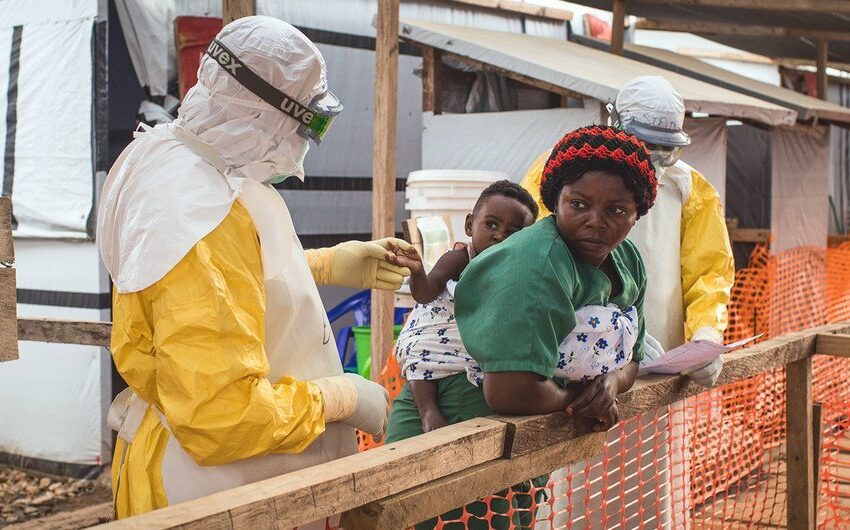
The World Health Organization (WHO) has officially sounded the alarm regarding the current Ebola outbreak in the Democratic Republic of Congo, warning that the virus may be spreading significantly faster than initial surveillance data suggested.
The official records currently cite 131 deaths and roughly 513 suspected cases but international health experts and sophisticated mathematical modeling suggest the true scale of the crisis is far more severe.
The epicenter, located in the north-eastern Ituri province, has become a landscape of intense fear where residents describe the virus as a force that has tortured the population through rapid mortality and social disruption.
Hidden Transmission and the Data Gap
Evidence of this hidden spread is supported by recent modeling from the London-based MRC Centre for Global Infectious Disease Analysis. Their findings indicate a substantial level of under-detection in the region, suggesting that the outbreak is much larger than currently ascertained.
Read Also: DR Congo Conflict: Why Ruto Wants East Africa to Lead Peace Efforts
Researchers have stated they cannot rule out that total cases have already surpassed 1,000, leaving the true magnitude of the epidemic dangerously uncertain. This discrepancy stems from a combination of remote geography and a volatile security situation that prevents health workers from reaching every affected village to conduct accurate contact tracing.
Compounding the crisis is the specific strain of the virus currently circulating, known as the Bundibugyo strain. This variant is rare and historically difficult to manage, having only caused two previously recorded outbreaks since its discovery.
Unlike the Zaire strain, which was responsible for the devastating West Africa pandemic between 2014 and 2016 and for which an approved vaccine exists, the Bundibugyo strain lacks a widely available pharmaceutical defense. Historically, this version of the virus kills approximately one-third of those it infects, making the lack of a vaccine a critical hurdle for containment efforts.
Catalysts for a Transnational Crisis
Several environmental and social factors are acting as catalysts for this rapid transmission. In provinces like Ituri and South Kivu, high levels of insecurity and conflict mean that populations are constantly on the move, which makes the virus difficult to pin down. The situation reached a critical turning point with the detection of a case in Goma, a major transit hub with a population of 850,000 people.
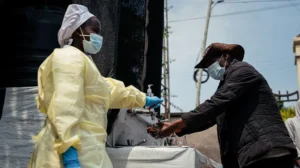
Large cities act as force multipliers for viral transmission, and the presence of the disease in such a densely populated area under the control of various rebel factions creates a logistical nightmare for the UN and other health agencies. On the ground, the humanitarian toll is rising as local residents report a desperate lack of basic protective gear. While many communities are attempting to take precautions like washing hands with clean water, access to specialized supplies like face masks remains severely limited.
International anxiety is also peaking, evidenced by the medical evacuation of an American doctor to Germany and the efforts by the CDC to monitor other exposed foreigners. The Red Cross has issued a stark warning that all the conditions for a massive escalation are currently present: delayed identification, a lack of community information, and overwhelmed health systems.
Although President Félix Tshisekedi has called for calm and neighboring countries like Rwanda and Uganda have tightened border controls, the virus continues to disseminate across borders.
WHO Chief Tedros Adhanom Ghebreyesus has expressed deep concern over the scale and speed of the epidemic, noting that until security and resources reach the heart of the affected provinces, the virus may continue to outpace the global response.