
Eldoret Sports Tourism Drive 2026: Kipchoge Keino Legend Run, World Tourism Week Campaign & North Rift Infrastructure

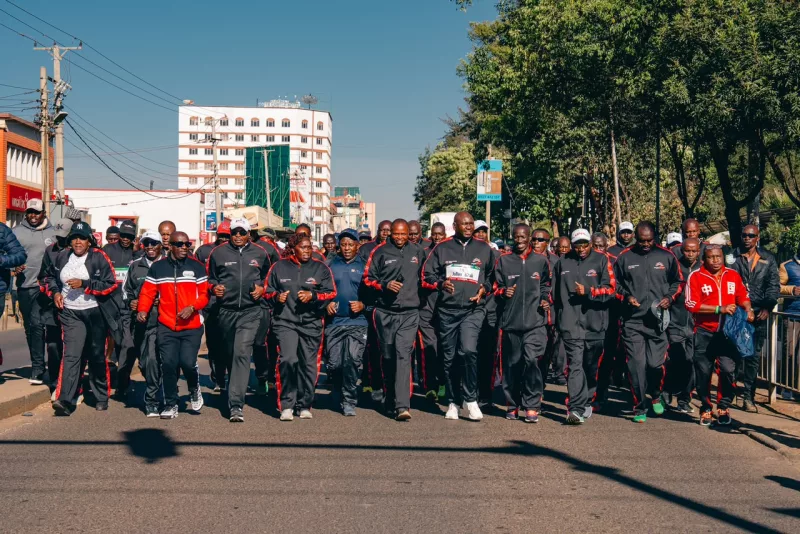
Kipchoge Keino Run
A new push to turn Kenya’s athletics heritage into a tourism attraction is taking shape in Eldoret, bringing legendary runners, government agencies and local stakeholders together around the growing concept of sports tourism.
Olympic champion Kipchoge Keino and other former athletics champions took part in a symbolic run in Eldoret on September 26, 2026, as part of activities surrounding the 2026 UN World Tourism Week in Eldoret.
The event placed Uasin Gishu at the centre of a national campaign seeking to connect tourism with sports, culture, hospitality and digital innovation. The Ministry of Tourism and Wildlife selected Uasin Gishu to host the 2026 UN World Tourism Week and World Tourism Day activities from September 23 to 27.
Read Also: Pharmacy Board Looks to Shape Future of Pharmaceutical Practice
The programme is particularly significant for the North Rift, a region whose international identity has been closely associated with long-distance running and the production of Olympic, world and Commonwealth champions.
Tourism authorities are now seeking to build a broader economic proposition around that reputation. Rather than athletics being viewed only through competitions and medals, the strategy places training camps, sporting heritage, events, accommodation, sports medicine and cultural experiences within the tourism economy.
“I did something for this country; let’s encourage sports tourism. We have a lot to offer in this country in terms of sports.”
Keino’s participation gives the campaign a direct connection to the history that made Eldoret and the wider North Rift famous among runners around the world.
Turning Uasin Gishu’s Athletics Heritage Into Tourism
Eldoret possesses a tourism asset that differs from Kenya’s better-known wildlife and beach destinations. Its attraction is strongly connected to people, sporting history, high-altitude training and the stories of athletes who have competed successfully on the international stage.
The Ministry of Tourism’s World Tourism Week programme says the Eldoret event is intended to showcase tourism, culture, sports, conservation, gastronomy and digital innovation, with a particular focus on the North Rift.
That approach opens the possibility of developing athletics as a complete tourism product.
International runners and sports enthusiasts could visit training camps, explore athletics heritage sites, participate in running experiences and attend competitions. Visitors could also combine sporting activities with food, cultural and nature-based experiences in Uasin Gishu and neighbouring counties.
The commercial opportunity extends beyond athletes.
Hotels can develop packages for visiting runners and coaches. Tour operators can create athletics-themed excursions. Restaurants can market local cuisine to sports visitors, while gyms, physiotherapy centres and sports equipment businesses can benefit from increased demand.
Local guides could also build specialised services around the history of Kenyan athletics, telling the stories of champions who trained and competed in the region.
Such activities would give sports tourism a wider economic base than ticket sales from individual competitions.
The strategy also fits into a broader effort to diversify Kenya’s tourism offering. A destination known internationally for producing elite runners can potentially attract visitors interested in seeing the environment and training culture behind that success.
Kipchoge Keino Stadium and North Rift Infrastructure
Infrastructure remains critical to the success of the sports tourism concept.
The Kipchoge Keino Stadium redevelopment is one of the most prominent projects in Eldoret. The Uasin Gishu County Government reported in June 2026 that the stadium works were about 70 percent complete.
According to the county, the upgraded facility is intended to provide modern facilities for athletes, youth talent development and major sporting events. The project is also being presented as part of efforts to strengthen Eldoret’s position as an international athletics hub.
A separate Uasin Gishu update on Kipchoge Keino Stadium said the facility was being developed with major sporting events in mind and linked the investment to tourism, employment and economic activity.
The stadium’s location gives it additional importance. Eldoret is already associated with elite athletics, meaning a modern competition and training facility can potentially complement the network of private and institutional training camps operating across the North Rift.
Read Also: Top Comoros Official Hospitalized in Nairobi Amid Rising Tensions in Moroni
The 64 Stadium is another component of the region’s sports infrastructure. Uasin Gishu County has described the facility as an important venue for sporting activities and training.
The stadium is designed to accommodate football, rugby, athletics and indoor sports including badminton, table tennis, volleyball, gymnastics and basketball.
That range of facilities could help diversify the type of sporting events hosted in Eldoret.
A destination that can accommodate athletics competitions, football, rugby, indoor sports and community events has more opportunities to attract visitors throughout the year.
Iten’s High-Altitude Advantage
The sports tourism strategy also extends beyond Eldoret into Elgeyo Marakwet, particularly Iten.
The Elgeyo Marakwet County sports tourism programme identifies Iten as a high-altitude training destination at approximately 2,400 metres above sea level.
The county says local and international athletes train in Iten, Kapsait and Kapcherop, while the area’s running trails, climate and altitude provide conditions that have helped establish the region as an international athletics destination.
That existing reputation provides an important foundation for sports tourism.
Visitors do not necessarily need to be professional runners. Amateur runners, athletics fans, sports researchers, coaches and fitness enthusiasts can form part of the potential market.
Training camps can also become visitor attractions in their own right. A tourist interested in Kenyan running can experience the daily routines of athletes, explore local routes and learn about the culture surrounding elite distance running.
Elgeyo Marakwet’s planning documents also identify sports infrastructure, training routes, sports academies and an international stadium among proposed development areas. The Iten Municipality Integrated Development Plan, for example, includes proposals involving sports grounds, training lanes and routes and sports-related facilities.
Infrastructure development therefore has the potential to reinforce an ecosystem that already exists rather than creating a sports destination from scratch.
Sports Tourism’s Economic Multiplier
The economic case for sports tourism extends far beyond stadium construction.
An international athlete staying in Eldoret or Iten may require accommodation, meals, transportation, coaching, gym facilities, medical services and recovery support.
A visiting athletics team can generate business for hotels and restaurants while also creating demand for training facilities and sports equipment.
Competitions add another layer because spectators, officials, journalists and organisers also require accommodation and transport.
Sports medicine could become another important part of the ecosystem.
Eldoret already has major health and research institutions capable of supporting a growing sports-science environment. The region’s combination of elite athletes and medical institutions creates opportunities around physiotherapy, rehabilitation, injury prevention, sports nutrition and performance research.
The KEMRI cross-country and medical initiative illustrates how athletics can be connected to health, research and community participation.
Such connections could create employment opportunities for professionals who are not athletes themselves.
Coaches, physiotherapists, nutritionists, sports scientists, fitness instructors, event organisers, photographers, journalists and tourism operators can all participate in the wider sports economy.
Young people could also benefit if training camps and sporting facilities create pathways into coaching, sports administration and technical careers.
Building a North Rift Sports Tourism Circuit
The long-term opportunity lies in connecting individual destinations into one recognisable North Rift sports tourism circuit.
Eldoret can provide the urban base, major stadiums, hotels and transport connections. Iten can offer high-altitude training and athletics heritage. Other parts of the region can contribute cultural attractions, nature experiences, hiking, food and adventure tourism.
The Ministry of Tourism’s 2026 World Tourism Week programme is already structured around several tourism themes rather than sports alone.
The inclusion of gastronomy, culture, conservation and digital innovation creates room for sports tourism to connect with other sectors.
Read Also: Kenyan marathoner remanded over Ksh8 million land fraud case
Digital marketing could be particularly important.
An international runner searching for information about training in Kenya could encounter content about Eldoret and Iten, discover training camps, book accommodation and arrange local experiences without needing to rely solely on traditional tour operators.
The tourism authorities’ focus on digital technology and artificial intelligence in tourism could therefore become relevant to the marketing of North Rift sports experiences.
The region’s challenge is to convert global recognition into structured products that visitors can easily discover, book and experience.
The Kipchoge Keino Legend Run provides a powerful symbolic link between Kenya’s athletics history and its emerging sports tourism ambitions.
Infrastructure such as the Kipchoge Keino Stadium, the 64 Stadium and facilities in Iten can provide the physical foundation.
Training camps, hotels, restaurants, sports medicine centres, academies and tourism operators can then form the commercial network around them.
The wider goal is to ensure that the reputation created by generations of Kenyan athletes generates value beyond medals and race results.
If the different elements become connected, Eldoret and the North Rift could present visitors with something more comprehensive than a sporting event: a destination built around the history, culture, training environment and people behind Kenya’s athletics success.

