Engineered to Fail: How Internal Reports Flagged A104 Nightmare Years Before Construction

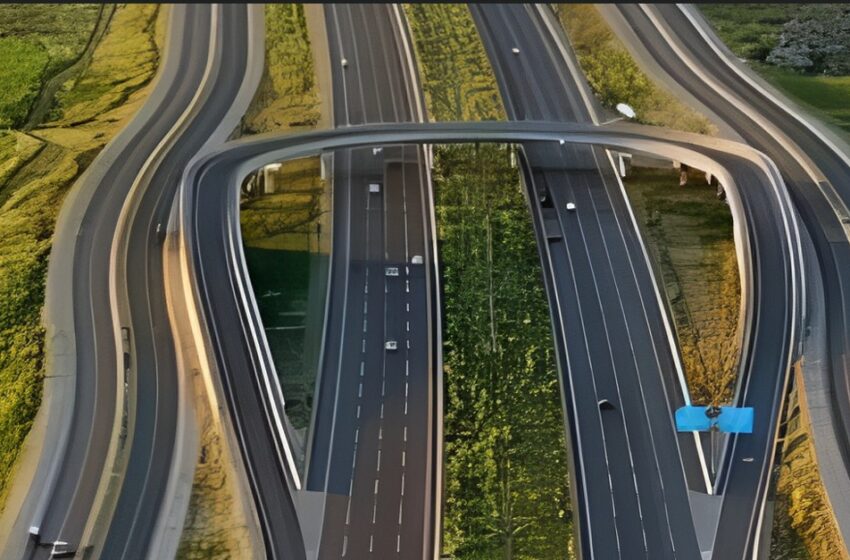
An artist’s design of a section of the Rironi–Nakuru–Mau Summit corridor. (Photo: KeNHA)
Infrastructure projects are supposed to be symbols of national progress, tangible testaments to a government’s ability to turn tax revenue into public utility. Yet, the 25.3-kilometer stretch of the A104 highway from James Gichuru Road Junction to Rironi stands as a chilling monument to the opposite.
According to Citizen Digital, began as a strategic three-year upgrade to ease Nairobi’s chronic congestion has transformed into an agonizing, nearly decade-long saga of cost overruns, legal battles, and perpetual road closures.
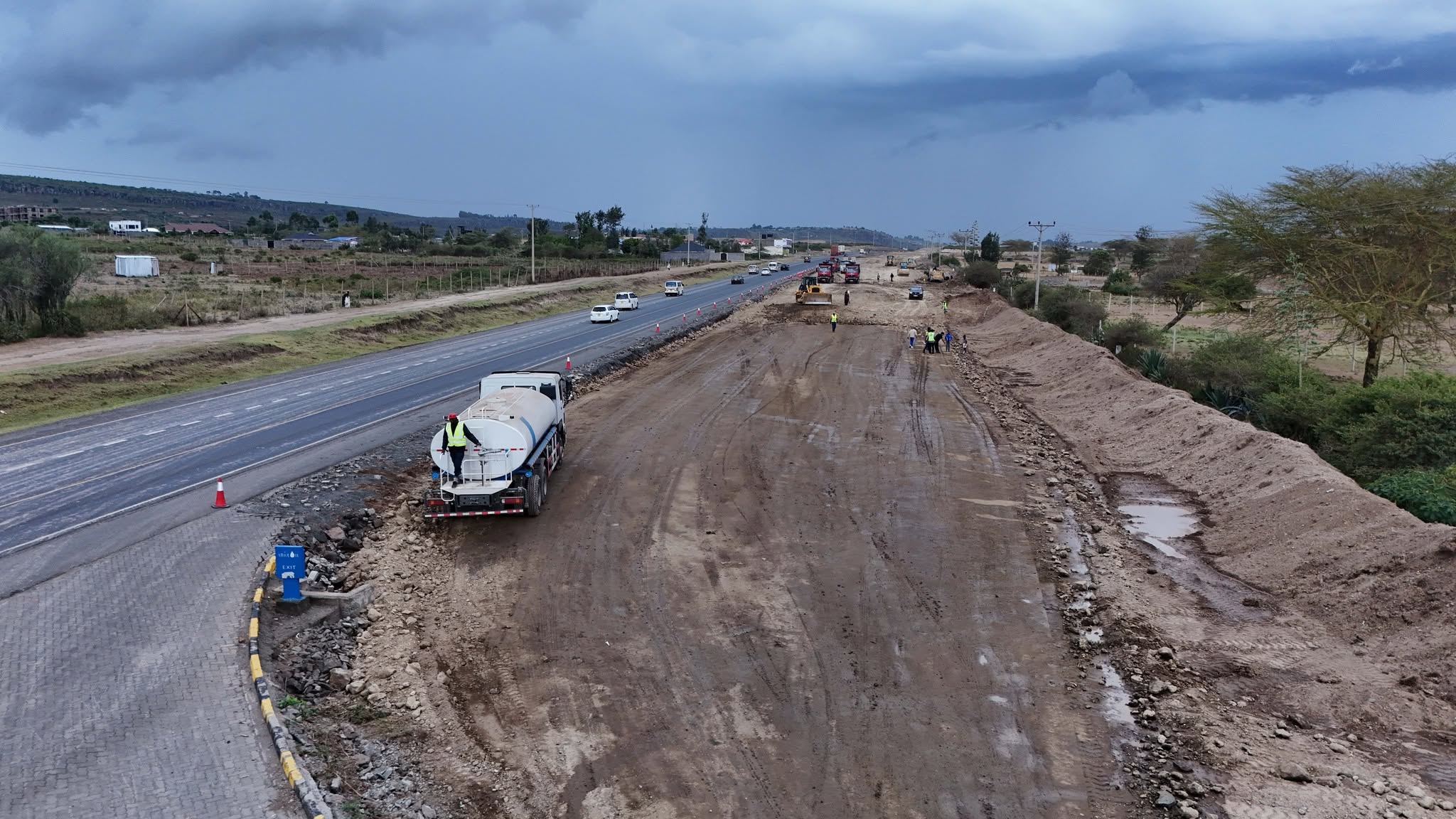
To the thousands of commuters who navigate this stretch daily, the project is a landscape of dust, confusion, and seemingly endless construction. However, the tragedy of the A104 is not a sudden accident or a series of unforeseen mishaps. It is a documented story of negligence. Long before the first heavy machine arrived on site, independent consultants explicitly detailed the fundamental flaws that would eventually derail the entire project.
The Warning Written in Ink
In July 2017, a multinational team of engineering consultants delivered a 222-page document to the Kenya National Highways Authority (KeNHA). This “Draft Final Design Review Report” was intended as a final safeguard—a professional audit to ensure the blueprints for the A104 expansion were solid. Instead, the document functioned more like a forensic crime scene report, listing structural and logistical failures that were already built into the plan.
The consultants identified that the original topographic survey, the bedrock of the entire highway design, covered only 25 to 30 meters of the corridor. Because the project required a “corridor of impact” of at least 50 meters, the designers were effectively drafting plans for nearly half the project area without accurate ground-truth data.
Further investigation uncovered a series of catastrophic technical discrepancies. Auditors checked thirteen reference points and found missing physical beacons, with elevation figures requiring corrections of over 1.5 meters. In the world of high-speed highway engineering, such inaccuracies are not minor glitches; they are existential threats to the integrity of the road.
Perhaps most damning was the state of the Bill of Quantities (BOQ). This document, which prices every single element of the construction, was riddled with internal conflicts. Specifications for concrete grades in the pricing docs failed to match the structural drawings, and the quantities for staff housing were miscalculated by over 100%. Even more concerning, the consultants noted that the original designer had ignored the geotechnical reality of the soil, failing to align foundation load-bearing assumptions with actual soil tests.
The Economic Ripple Effect: Businesses in the Shadows
While the national cost of the road occupies public discourse, the hyper-local economic devastation along the Westlands and Kileleshwa fringes tells an even grimmer story. Small and medium enterprises (SMEs) that once thrived on the accessibility provided by the old A104 found themselves choked by “construction-induced isolation.”
The business climate along the corridor underwent a brutal transformation. Fuel stations, which traditionally serve as the lifeblood of high-traffic transit routes, were among the first casualties. Many saw their access points blocked for years at a time, rendering them moribund. The “construction barrier” effect created a barrier to entry for customers who simply could not navigate the chaotic maze of jersey barriers and deep excavations to reach a gas pump or a convenience store.
Retail outlets, restaurants, and logistics firms in the vicinity of the Westlands corridor faced a double-edged sword: a massive drop in foot traffic followed by a sharp increase in operating costs. As travel times doubled, delivery windows widened, and fuel costs for logistics vehicles spiked. Businesses that could not survive the liquidity crunch either shuttered their doors or relocated entirely, leaving behind skeletal commercial properties that have yet to recover. This hollowing out of the business corridor has resulted in a permanent loss of tax revenue and employment, a silent economic cost not captured in the official Ksh. 20.4 billion contract price.
A Decade of Scope Creep and Stagnation
Construction kicked off in August 2017 under China Wu Yi with a contract price of roughly Ksh. 16.4 to Ksh. 18.7 billion. The project was meant to be a triumph, funded largely by a World Bank credit. Yet, the warnings in the 2017 report proved prophetic. By 2019, the project was only 25% complete, despite two-thirds of the timeline having elapsed.
The World Bank, noting the lack of progress and the spiraling costs of land compensation, ultimately withdrew its $157 million share. The project was left to be financed entirely by the Kenyan taxpayer, stripping away the rigorous international oversight that might have forced corrective action sooner. This financial pivot occurred as the project spiraled into a series of compensation scandals. Reports of land valuation figures swinging by billions of shillings—from consultant estimates of Ksh. 1.4 billion to government payouts of Ksh. 6.4 billion—became a defining feature of the project’s reputation.
By 2021, the progress had effectively flatlined at 30%. Suppliers went unpaid, contractors cut staff, and completion dates were treated as flexible suggestions rather than binding commitments.
The Daily Cost of Inaction
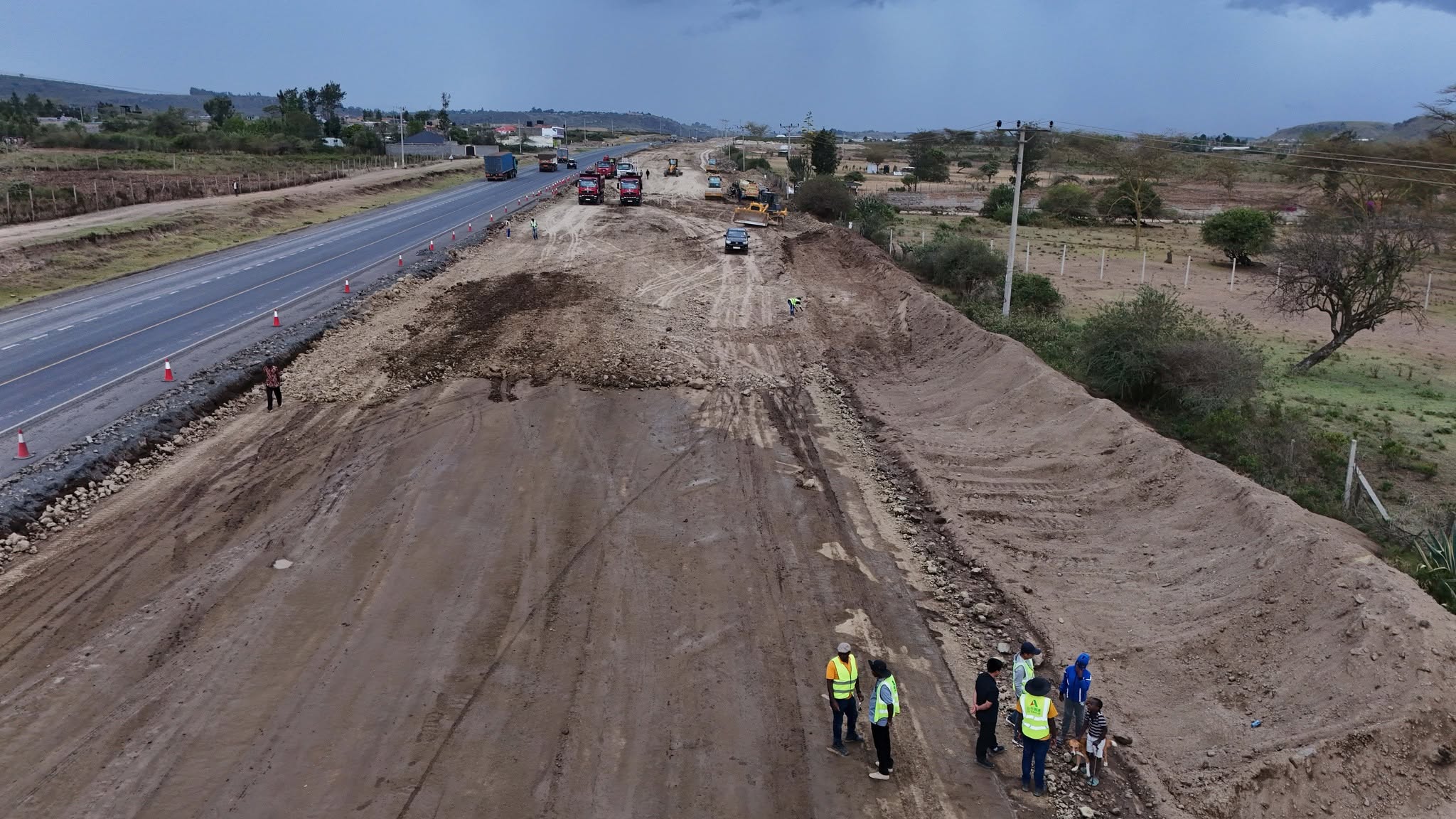
The physical state of the A104 today reflects the administrative breakdown that birthed it. Traders at Kangemi have essentially reclaimed portions of the highway as an open market, turning a major international corridor into a congested, hazardous strip. The Gitaru interchange, once promised as a world-class solution, remains a work in progress. When it rains, the underpasses between Kinoo and Rironi frequently flood, creating hazards for motorists and further slowing traffic.
The “surface dressing” work that continues to close lanes in 2026 is a bitter irony. It serves as a reminder that even the sections deemed “finished” by officials are already crumbling, likely a direct consequence of the flawed designs and soil assessments highlighted back in 2017.
Comparative Operational Metrics
The following table contrasts the initial project expectations against the reality of the ongoing construction site:
| Operational Metric | 2017 Design Goal | Current 2026 Status |
| Completion Date | August 2020 | Target: 2026/2027 (Ongoing) |
| Contract Sum | ~Ksh. 16.4 Billion | ~Ksh. 20.4 Billion (Escalated) |
| Funding Status | World Bank Supported | 100% Exchequer Funded |
| Design Reliability | Audit-Verified | Constant Redesigns Required |
Why This Matters for the Future
The A104 project is often framed by officials as a difficult, complex engineering challenge. Yet, the evidence suggests that the difficulty was entirely avoidable. When a project is launched with mismatched bills of quantities, faulty survey benchmarks, and ignored geotechnical reports, failure is not a possibility—it is a mathematical certainty.
The persistent gridlock, the economic losses from wasted fuel, the accidents occurring at poorly designed sections, and the billions of shillings in extra costs are not merely “the price of development.” They are the price of failing to respect the technical warnings that were provided on paper years ago.
As the country now shifts its attention toward the massive Rironi–Mau Summit highway, the lessons from the James Gichuru-Rironi corridor must be front and center. That new project is ten times longer than the stretch that has already defied every timeline and budget prediction for nearly ten years. Without a fundamental change in how the state manages pre-construction auditing and design integrity, the A104 will not be an outlier—it will be a template.
Taxpayers deserve more than just a road; they deserve the competence to ensure that when a project is priced and slated for completion, it is built on a foundation of professional honesty rather than incomplete reports. For now, the A104 remains an unfinished scar on the landscape, a permanent construction site that continues to grow more expensive with every passing day.