
Williamson Tea, Kapchorua Boards Sound Alarm Over Structural Sector Taxes

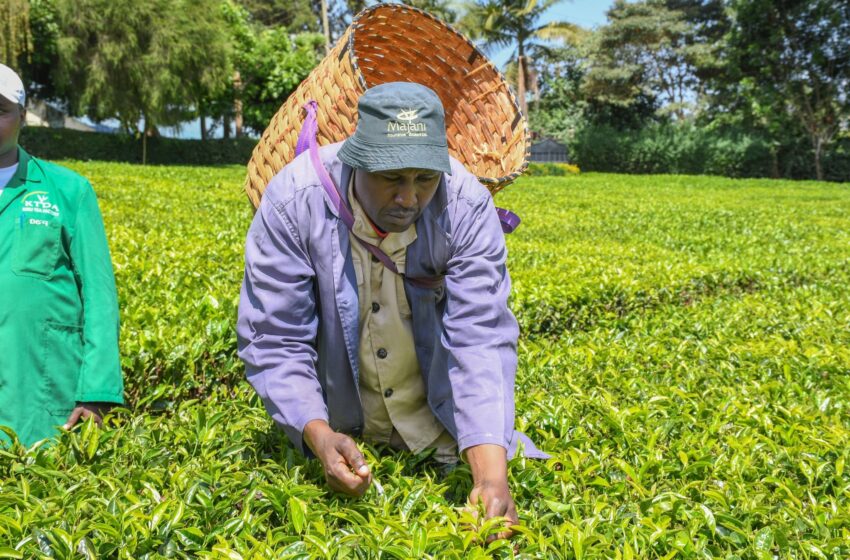
Williamson Tea Kenya and its listed subsidiary, Kapchorua Tea, have delivered stronger shareholder payouts for the 2026 financial year, navigating a landscape defined by erratic weather and mounting structural costs.
Both firms managed to defy difficult production conditions to reward investors, even as boards warned that the escalating burden of national and county-level levies poses an existential threat to the long-term competitiveness of the Kenyan tea sector.
A Turnaround in Profitability
Financial results for the year ended March 31, 2026, reveal a marked recovery from the previous year’s instability. Williamson Tea swung back to a net profit of KSh 120.8 million, a significant improvement from the KSh 166.4 million loss recorded in the prior year. Kapchorua Tea demonstrated even greater resilience, lifting its net profit to KSh 196.9 million.
This return to profitability prompted both boards to signal confidence in their capital management. Williamson Tea raised its final dividend by 50% to KSh 15.00 per share, while Kapchorua increased its dividend payout to KSh 30.00 per share. Notably, Kapchorua has maintained an uninterrupted dividend record spanning more than three decades, cementing its status as a cornerstone of shareholder-focused investing on the Nairobi Securities Exchange (NSE).
Read: Kenya Tea Export Levy Impact on Murang’a Farmers, Global Trade Competitiveness Implications
Revenue Challenges and Operational Realities
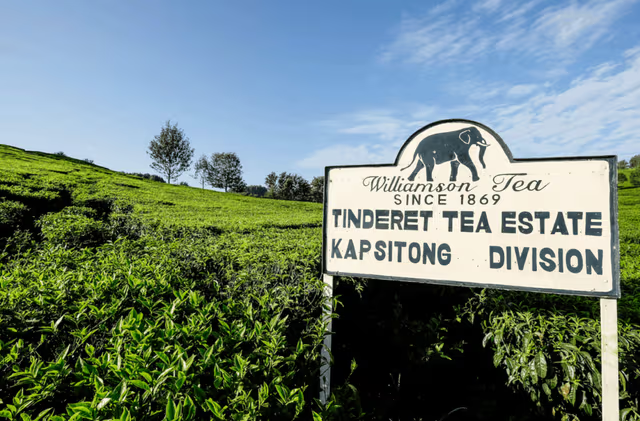
The recovery in bottom-line figures arrived despite a challenging top-line environment. Prolonged dry spells and below-average rainfall suppressed production volumes, while strict quality controls on “bought leaf” limited the quantity of processed tea. Consequently, Williamson’s revenue declined by 17.2% to KSh 3.40 billion, and Kapchorua saw its revenue drop by 25.1% to KSh 1.66 billion.
Beneath these figures, the two companies displayed contrasting operational health. Williamson Tea remained under significant pressure, reporting a second consecutive operating loss—though the deficit narrowed compared to the previous cycle. The company’s climb into profitability relied heavily on external drivers rather than core tea production. Gains in biological assets, a surge in finance income, and improved contributions from an associate company provided the necessary cushion to offset the underlying stagnation in its tea business.
Kapchorua, by contrast, delivered a more robust performance. Operating profit at the smaller estate jumped 40% to KSh 163.4 million. While the company also benefited from higher finance income, its core operations have proven more consistently profitable in recent years, standing in stark contrast to the volatility that has defined Williamson’s earnings profile.
Asset Revaluation and Balance Sheet Strength
Beyond income statement fluctuations, both firms reported a massive strengthening of their balance sheets, driven primarily by the revaluation of land assets. Williamson Tea saw its shareholders’ funds climb from KSh 6.3 billion to KSh 10.0 billion, while Kapchorua’s equity grew from KSh 2.10 billion to KSh 3.55 billion.
While these gains are non-cash surpluses rather than profits generated from selling tea, they highlight the immense underlying value of the estates. Crucially, both businesses continued to generate positive operating cash flows. Management teams maintained a conservative approach to leverage: Kapchorua exited the year entirely debt-free, while Williamson managed to reduce its borrowings to a negligible KSh 52 million.
Industry Context: Regulatory Headwinds
When compared to other agricultural stocks on the NSE, the tea sector remains a unique play for value investors. However, the mood in the boardroom remains cautious. The leadership teams at both Williamson and Kapchorua have issued pointed warnings regarding the future of the tea industry. The primary concern is not the weather, but the “structural threat” posed by the cumulative impact of sector-specific taxes, regulatory charges, and various levies imposed by both national and county governments.
The introduction of new legislative frameworks—such as proposed tea levies on bulk exports—has sparked industry-wide alarm. Producers argue these costs are eroding the global price competitiveness of Kenyan tea, which must contend with lower-cost producers in other markets.
Performance Comparison: 2026 Financial Year
| Metric | Williamson Tea (FY2026) | Kapchorua Tea (FY2026) |
| Net Profit | KSh 120.8 Million | KSh 196.9 Million |
| Dividend Payout | KSh 15.00 (+50%) | KSh 30.00 (+20%) |
| Revenue Growth | -17.2% | -25.1% |
| Debt Status | Minimal (KSh 52M) | Debt-Free |
| Operational Health | Narrowing Operating Loss | Strong 40% Profit Growth |
The Road Ahead: Operational Discipline vs. Systemic Risk
Looking ahead, the focus for investors remains on whether Williamson Tea can achieve a true operational turnaround in its core business rather than relying on finance income and asset revaluations. Kapchorua continues to lead by example, maintaining operational discipline in a sector that is increasingly sensitive to cost pressures.
Read: Top Comoros Official Hospitalized in Nairobi Amid Rising Tensions in Moroni
The sector remains a paradox: companies are posting stronger shareholder payouts and massive equity growth while simultaneously warning of a long-term erosion of their core business model. Whether the industry can successfully lobby for a rationalization of taxes and levies remains the defining uncertainty for the next financial year. Investors appear to be looking past the short-term regulatory noise, choosing to bank on the historical resilience of these estates and their disciplined approach to debt, even as they demand better clarity on the industry’s future regulatory path.
In the current Kenyan financial climate, where the Central Bank Rate (CBR) remains anchored at 8.75% and commercial lending rates hover well above 14%, many firms are struggling under the weight of expensive credit. Against this backdrop, the “debt-free” or “low-debt” status of tea producers like Kapchorua Tea and Williamson Tea is more than just a conservative accounting choice—it is a critical hedge against systemic volatility.
The Cost of Credit in 2026
Kenya’s Monetary Policy Committee (MPC) opted to hold the CBR at 8.75% in June 2026, citing the need to manage inflationary pressures driven by high energy prices and global supply chain disruptions. While this decision provides some stability, commercial banks continue to maintain high lending spreads. For agricultural enterprises, which are already vulnerable to “agro-shocks”—unpredictable weather patterns, biological hazards, and market volatility—servicing a high-interest loan during a poor harvest can be the difference between survival and insolvency.
Why “Debt-Free” Acts as a Strategic Hedge
For a company like Kapchorua Tea, remaining debt-free provides three distinct competitive advantages in a high-interest environment:
-
Elimination of Interest Rate Risk: Companies carrying variable-rate debt are at the mercy of the banking sector’s repricing cycles. Kapchorua’s independence from debt means that every cent of operating profit is protected from the “interest rate tax” that currently eats into the margins of more leveraged competitors.
-
Working Capital Resilience: Agricultural cycles are inherently lumpy. By avoiding debt service obligations, these estates maintain superior liquidity. This allows them to fund essential investments—such as Kapchorua’s recent installation of a 1.17MW solar power plant—using internal cash flows rather than expensive commercial financing.
-
Survival During Production Shocks: The 2026 financial year was marked by dry spells and quality control challenges that depressed revenues. A leveraged firm would have faced the dual pressure of declining revenue and fixed debt repayment schedules. A debt-free balance sheet acts as a buffer, allowing the firm to weather a bad crop year without risking a technical default.
The Regulatory Counter-Weight
While the absence of debt is a major strength, it does not make these firms immune to the broader “structural threats” identified by their boards. Even a debt-free company cannot easily outrun government-mandated costs. The introduction of the 0.8% tea levy, alongside rising land rates and energy costs, creates a new type of “fixed cost” that acts similarly to debt. If these regulatory charges continue to escalate, they effectively crowd out the flexibility that a debt-free balance sheet is meant to provide.
Investor Outlook: A Comparative Hedge
When compared to other NSE-listed firms that rely heavily on debt to fund operations, Williamson and Kapchorua offer a lower-beta profile. Investors looking for a “safe harbor” during periods of macroeconomic uncertainty often favor these estates precisely because they are not vulnerable to credit crunches.
However, this resilience comes with a trade-off. The reliance on internal cash flows for expansion can sometimes limit the speed of growth compared to firms that aggressively leverage their balance sheets to scale. For the tea estates, the choice is clear: they have prioritized long-term solvency over high-octane, debt-fueled expansion—a strategy that appears increasingly prudent as Kenya’s cost of borrowing remains elevated.
Read; Famyard Enterprises Ltd Driving Structural Transformation In Mt Kenya Property Investment Sector
Summary of Financial Positioning
| Financial Strength Factor | Impact on Tea Estates |
| High Lending Rates (14%+) | No impact; debt-free status shields from interest expense. |
| Operational Volatility | High liquidity allows for survival during poor harvest years. |
| Regulatory Levies | Represents the new “fixed cost” that mimics debt pressure. |
| Investor Appeal | Offers a hedge against macro-volatility at the NSE. |
Ultimately, while the debt-free status of these tea estates is a powerful defense mechanism, it is not a complete shield. The boards remain right to be cautious; the true long-term value of these companies will depend on whether they can maintain this financial discipline while simultaneously navigating an increasingly hostile regulatory landscape that threatens to turn variable business risk into rigid, unavoidable costs.

