Fuel Subsidy Kenya Economic Relief Package Policy Analysis

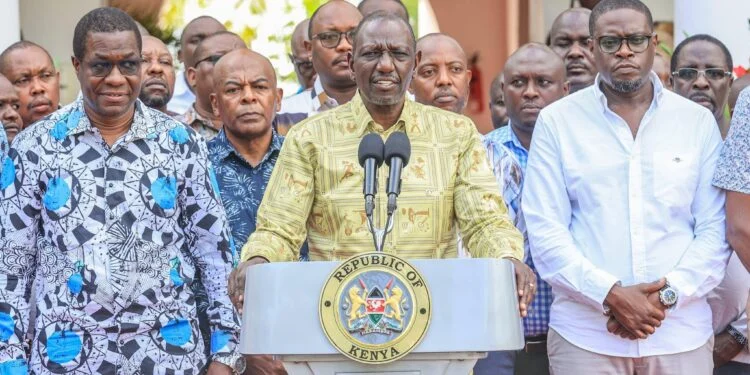
The global energy market is experiencing severe volatility due to ongoing geopolitical conflicts in the Middle East. Emerging economies like Kenya face unprecedented pressure on imported petroleum products, forcing policymakers to balance fiscal discipline with social welfare.
Recent state interventions highlight the delicate economic path the country must navigate to maintain stability. Strategic fiscal buffers are currently shielding citizens from inflation while the administration attempts to transition the national transport infrastructure away from fossil fuel dependence.
Petroleum Development Fund and VAT Relief Interventions
Subsidizing fuel pump prices requires substantial financial sacrifices from the national treasury. The state relies heavily on the Petroleum Development Fund alongside targeted tax reductions to suppress soaring landed costs.
A temporary 50 percent slash in Value Added Tax on petroleum products has kept prices lower than market projection forces. This dual mechanism serves as an immediate economic shock absorber for the local market.
Tracking the Fuel Subsidy Bill and Revenue Forgone
During the April-June 2026 expenditure window, the state deployed KSh28.19 billion to manage supply chain shocks. A closer look at recent pricing dynamics reveals that billions in revenue were bypassed to maintain economic sanity.
The strategy combines direct cash cushions with tax collection waivers to keep local businesses operational. Without these proactive fiscal actions, retail pump stations would be operating at historic highs.
Market Projections vs. Actual Retail Pump Prices
|
Fuel Product Type |
Market Price Without Intervention (KSh) |
Actual Retail Pump Price (KSh) |
Total Net Saving Per Litre (KSh) |
|
Super Petrol |
230.12 |
214.25 |
15.87 |
|
Diesel |
277.75 |
232.86 |
44.89 |
|
Kerosene |
270.00 |
191.38 |
78.62 |
The Global Oil Shock and Energy Sector Architecture
Global crude supply chains have registered historic disruptions within a remarkably short period. Super petrol prices surged by 54.4 percent on the international stage, while diesel and kerosene spiked by over 110 percent.
These adjustments drastically altered landing costs at the Port of Mombasa, transmitting inflation straight to the consumer. Advanced economies are enduring identical structural shocks, indicating the systemic nature of the crisis.
Shifting from Spot Market Volatility to G-to-G Frameworks
The transition to a Government-to-Government fuel importation framework has fundamentally altered Kenya’s energy security strategy. The old spot-market bidding system exposed local oil marketing companies to extreme monthly pricing fluctuations.
The current institutional arrangement allows for structured, predictable shipments that protect the local currency from sudden dollar-demand spikes. This systemic predictability prevents overnight price surges at the pump.
Balancing Infrastructure Development with Tax Scrapping Demands
Public pressure to completely eliminate domestic fuel taxes ignores critical fiscal realities. Scrapping these revenue streams would instantly halt essential public services and stall nationwide road construction projects.
Responsible governance demands a delicate compromise between immediate citizen relief and long-term debt sustainability. Sacrificing the entire infrastructure budget for short-term price relief creates greater structural vulnerabilities for future generations.
Accelerating Electric Mobility and Regional Energy Independence
Long-term insulation from international oil shocks requires a complete reimagining of the domestic transport matrix. The national administration is accelerating investments in renewable energy infrastructure and electric mobility systems.
Aggressive localization of clean transport will gradually decouple the domestic economy from foreign supply chains. This shift aligns with broader global climate commitments and green industrialization policies.
Tax Exemptions for Electric Vehicle Imports
Massive fiscal incentives have been unveiled to jumpstart the local electric vehicle ecosystem. The first 100,000 electric vehicles imported for either commercial public transport or private use will enter the country completely duty-free.
The state is leading by example through the planned procurement of 3,000 electric vehicles for administration and security operations. This policy lowers the barrier to entry for green transport investors.
Local Refining Capacity and East African Partnerships
True energy independence requires regional cooperation among East African Community partner states. Joint plans are underway to establish a modern regional refinery to process crude locally.
This infrastructure asset will complement the commercialization of domestic oil reserves in Turkana County. Strengthening local supply networks eliminates excessive logistics margins and protects the region from global blockades.
Public Transport Reforms and Matatu Sector Protection
The local transport ecosystem is receiving targeted regulatory interventions to shield operators from bankruptcy. Financial authorities are engaging commercial banks to structure temporary loan repayment holidays for public transport owners.
Review mechanisms targeting the Insurance Act and the Auctioneers Act are scheduled to conclude within ninety days. These legal updates will protect assets from aggressive liquidation during economic downturns.
Regulating Digital Taxi Platforms and Minimum Fares
Disputes within the digital ride-hailing sub-sector are receiving direct regulatory attention to safeguard driver welfare. The National Transport and Safety Authority is organizing stakeholder conventions to resolve ongoing compensation disputes.
The state plans to enforce strict minimum fare regulations to stop predatory pricing models by foreign digital applications.
Preserving Matatu Culture and Artistry Standards
The iconic cultural heritage of the matatu industry remains protected under new regulatory directives. Operators are permitted to continue embellishing passenger vehicles with creative graffiti and expressive artwork.
The National Transport and Safety Authority must ensure these aesthetic modifications comply fully with basic highway safety regulations. Preserving this unique youth-driven industry supports thousands of creative professionals in urban centers.