Ngemi Homecoming 2026: How Cultural Festival is Evolving Into Multi-Generational Experience


The Ngemi Homecoming is set to return in 2026 with a significantly expanded format that reflects a broader shift in how cultural festivals in Kenya are designed and experienced. Since its launch in 2024, the platform has positioned itself as a contemporary cultural gathering space that blends heritage, art, and modern expression.
The 2026 edition introduces a more structured approach to programming, with a dual-event format that aims to serve different audiences while maintaining a shared cultural identity. This evolution reflects a growing trend in Kenya’s creative sector where cultural events are increasingly being tailored to diverse generational and experiential needs.
Expanding Cultural Participation Across Generations
One of the most notable developments in the 2026 edition is the introduction of a dedicated “Seniors Edition,” scheduled for 16 May 2026. The segment represents a shift away from the typical festival model that often prioritizes younger, high-energy audiences.
Instead, the Seniors Edition is designed to create a more reflective and accessible environment for older generations who have historically contributed to the cultural foundations being celebrated. The format emphasizes comfort, interaction, and slower-paced engagement with art, music, and storytelling.
According to organizers, the intention is to create a space where cultural participation is not limited by age or energy level, but rather shaped by inclusion and shared experience. This reflects a broader cultural conversation around intergenerational participation in modern African creative spaces.
The Return of the Main Festival Experience
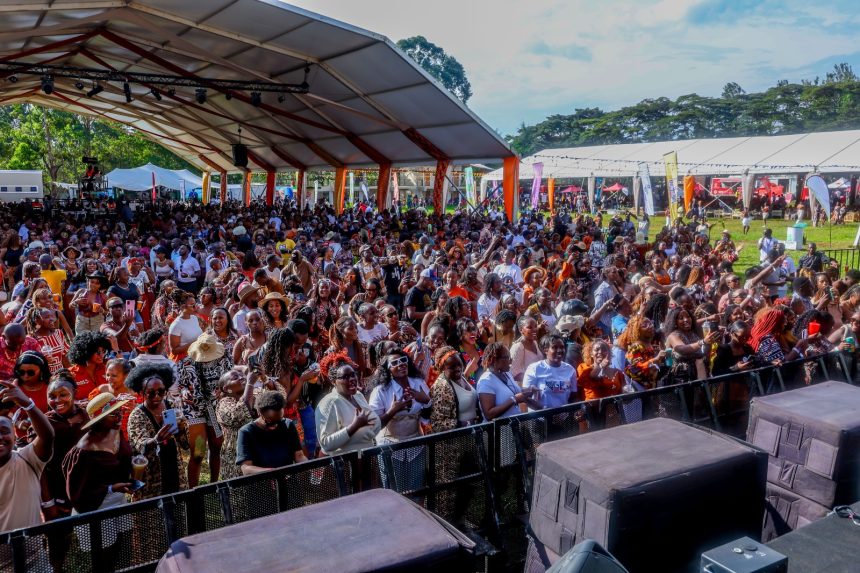
Following the Seniors Edition, the main Ngemi flagship event, referred to as Ngemi 6.0, will take place on 30 May 2026 in Limuru. This event is expected to continue the festival’s established format while expanding its scale and thematic focus.
The flagship edition is positioned as a more immersive cultural experience, bringing together music, food, art, and performance in a single environment. Rather than functioning as separate entertainment segments, these elements are designed to interact and create a unified cultural narrative.
This approach reflects a broader shift in global and regional festival design, where events are increasingly structured as multi-sensory experiences rather than traditional stage-based performances.
Cultural Festivals as Evolving Social Platforms
Beyond entertainment, Ngemi’s evolving structure highlights a larger transformation in how cultural events are being positioned within Kenyan society. Festivals are no longer viewed solely as annual gatherings, but as platforms for cultural continuity, identity expression, and creative economy development.
The introduction of differentiated programming within the same festival cycle suggests an effort to broaden accessibility while maintaining artistic cohesion. This model allows different audience groups to engage with the same cultural theme in ways that are relevant to their experiences.
Such developments also reflect the growing professionalization of Kenya’s creative industry, where event curation is increasingly guided by audience segmentation, experience design, and long-term brand positioning.
Intentional Growth Over Event Expansion
A key theme in the 2026 edition is the idea of intentional development rather than expansion for its own sake. Instead of simply increasing scale or attendance, the festival appears to be refining its structure to create more meaningful engagement.
This includes balancing a more reflective, community-centered experience with a larger, more dynamic flagship event. The dual-format approach suggests a deliberate attempt to maintain cultural depth while still embracing mass participation.
In this sense, Ngemi is positioning itself not only as an entertainment event but also as a cultural framework that adapts to different forms of participation.
The Role of Place and Cultural Identity
The choice of Limuru as the host location for the flagship edition continues to reinforce the connection between place and cultural identity. Locations outside major urban centers are increasingly being used for cultural events, offering more open spaces and a stronger sense of separation from everyday urban environments.
This shift also reflects a broader trend in Kenya’s creative economy, where location is becoming part of the cultural experience itself rather than just a logistical consideration.
By situating large-scale cultural events in such environments, organizers are able to create more immersive and controlled experiences that support artistic expression and audience engagement.
A Festival Reflecting a Broader Cultural Shift
The 2026 Ngemi Homecoming reflects more than just an expanded event calendar. It highlights the growing complexity of cultural programming in Kenya and the increasing need to design experiences that serve multiple audiences within a shared cultural framework.
By introducing segmented programming and refining its experiential design, the festival illustrates how cultural platforms are evolving from simple gatherings into structured cultural ecosystems.
Kenya’s is creative industry continues to grow, such models may become more common, particularly as organizers seek to balance tradition, innovation, and inclusivity within a single cultural narrative.