Grammy Leadership Nairobi Bilateral Sittings: Recording Academy Engagement, KSh6.5B Creative Fund Allocation, Local IP Frameworks

Nairobi has increasingly become a meeting point between Kenya’s fast-growing creative sector and the international entertainment industry, with recent engagements involving senior Recording Academy and Hollywood executives placing the country’s ambitions under a global spotlight.
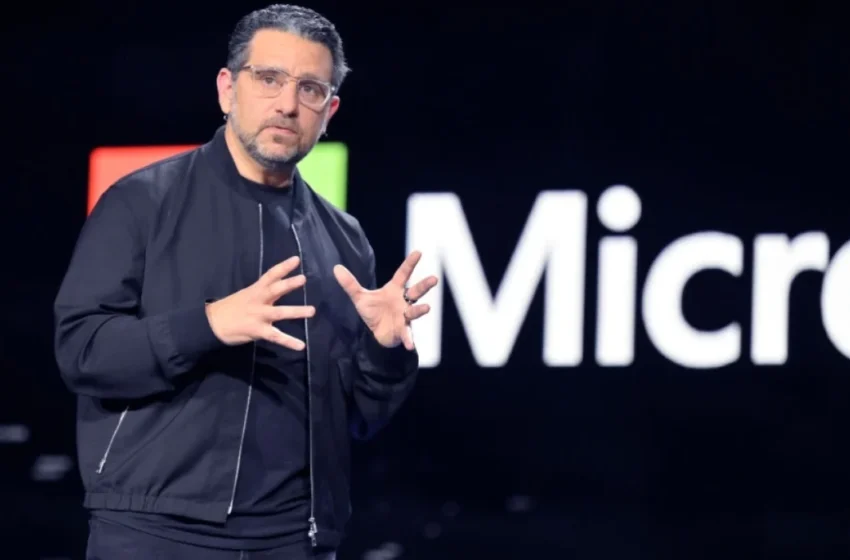
The arrival of Recording Academy President Panos A. Panay, Latin Recording Academy CEO Manuel Abud and Hollywood executive Nicholas Weinstock has added a new dimension to Kenya’s push to build a creative economy that can compete beyond the domestic market.
The discussions have come at a significant moment for the country. Kenya is pursuing an opportunity to host an Africa Recording Academy headquarters, while the government has also moved to increase public financing for the creative sector.
PAY ATTENTION: Follow Kenya Frontline WhatsApp channel for more news
The question now is whether these developments can move beyond high-level meetings, conferences and announcements to create a functioning commercial ecosystem in which Kenyan musicians, filmmakers, actors and digital creators can own, distribute and monetise their work internationally.
Panos Panay visit puts Kenya’s creative ambitions under global spotlight
Panay’s engagement with Kenya did not begin with the September meetings.
In April, the Recording Academy announced that Panay would travel to Nairobi for meetings with President William Ruto and other senior government officials. The Academy said the discussions would focus on talent development, industry infrastructure and international market access, areas it identified as important to strengthening Africa’s presence in the global music ecosystem.
Panay subsequently met President Ruto in Nairobi, while the wider delegation engaged Kenyan artists and creative-sector players.
The September visit brought together figures from music, film, content creation and entertainment. According to reporting from Nairobi, participants included artists and industry personalities such as Octopizzo, DJ Pinye, Suzanne Owiyo, Iyanii, Sophia Nzau and Prince Indah, alongside other creative entrepreneurs and professionals.
The significance of such meetings lies less in the photographs around the conference table and more in what can happen after the meetings end.
International entertainment executives can open doors to distribution networks, mentorship, partnerships, investment and professional expertise. But those opportunities require local creators to have the contracts, intellectual-property ownership and business structures needed to capture the value generated by international exposure.
The Recording Academy itself describes Panay’s role as involving business growth, new partnerships, global expansion and the use of new technologies across the organisation.
That makes the Nairobi engagement relevant beyond awards and recognition. It touches the infrastructure of the music business itself.
Kenya’s Africa Recording Academy ambition
Kenya is also competing with Nigeria and South Africa to host the proposed Africa Recording Academy headquarters.
The Associated Press reported that Kenya has invested about US$3.9 million towards its bid, with Recording Academy officials saying key milestones had been achieved. Panay has also indicated that expanding Africa’s participation in the global music industry will require long-term institution building rather than a single launch event.
That distinction matters.
Read Also: Pharmacy Board Looks to Shape Future of Pharmaceutical Practice
An African Recording Academy presence in Nairobi would not automatically translate into higher incomes for Kenyan musicians. The bigger opportunity would be the creation of stronger links between African creators and the international music-business ecosystem.
That could involve professional training, membership expansion, songwriting networks, producer exchanges, music publishing, licensing, distribution, management and access to international industry decision-makers.
The Academy has already expanded its African-facing activities. The Best African Music Performance category at the Grammys has created another international recognition pathway, while the American Music Mentorship Program connects international music professionals with experienced US-based mentors.
Kenya was selected to participate in the programme for a second consecutive year, with another cohort expected in 2026.
The commercial opportunity therefore sits somewhere between exposure and ownership.
A Kenyan song reaching a global audience is valuable. A Kenyan songwriter retaining the publishing rights, receiving accurately reported royalties and negotiating favourable licensing terms is considerably more consequential for the long-term development of the industry.
The KSh6.5 billion question
The international engagement is happening alongside increased attention to domestic financing.
Reports published in September indicate that the State Department for Youth Affairs secured a 51 per cent increase in funding for the creative sector, taking the allocation to KSh6.5 billion. The reported priorities include festivals, youth employment and live events.
The size of the allocation makes implementation just as important as the headline figure.
A larger creative-economy budget can potentially support infrastructure, talent development, youth enterprise, production facilities, festivals and other programmes that help creators turn skills into businesses.
Kenya already has a policy framework that places the creative economy within the country’s economic development agenda. Government structures assign responsibility for creative-economy policy across areas including film, theatre, performing arts, literary creative industries and investment promotion.
The challenge is ensuring that funding reaches the productive parts of the ecosystem.
Infrastructure can mean studios, theatres, production facilities, rehearsal spaces and digital production centres. Youth enterprise support can mean grants or financing that allow emerging creators to buy equipment, produce projects and build businesses.
But funding should also be connected to markets.
A musician who receives support to produce an album still needs distribution. A filmmaker needs buyers and platforms. A digital creator needs commercial agreements and intellectual-property protection. A producer needs access to international collaborators.
That is where the Nairobi meetings and domestic funding agenda potentially intersect.
International partnerships can create market access, while public investment can help build the local capacity needed to participate in those markets.
From international distribution to Kenyan ownership
The language around international partnerships often focuses on visibility.
Yet visibility alone does not pay creators.
Read Also: Kenyan marathoner remanded over Ksh8 million land fraud case
The more important question is what happens after a Kenyan film is licensed to an international platform, a song enters a global playlist or a creator’s video attracts millions of views outside the country.
Who owns the intellectual property?
Who negotiated the agreement?
How are royalties calculated?
Who monitors usage?
How quickly does the creator get paid?
These questions become increasingly important as African music and digital content move across borders.
The Kenya Copyright Board has recognised streaming as an important part of the modern copyright environment. Its guidance notes that rightsholders can earn from advertising revenue, subscription revenue and flat-rate payments depending on the agreements governing the use of their work.
The same guidance highlights issues creators should examine in streaming agreements, including remuneration, applicable law, dispute resolution and procedures for dealing with infringement.
Those details can determine whether international exposure becomes a sustainable income stream or simply increases an artist’s audience without materially improving their finances.
Copyright enforcement is the missing commercial layer
Kenya’s digital economy has made content distribution easier, but it has also made unauthorised copying and exploitation easier.
A song can be uploaded, remixed, reposted or used in commercial content across several platforms within hours. A film can circulate outside the territory where it was originally licensed. A creator’s video can be republished without permission.
That creates a need for stronger rights management.
KECOBO’s strategic plan identifies digital enforcement, online monitoring and improvements to copyright administration as priorities. The Board has also outlined plans involving the National Rights Registry and digital systems for copyright registration, licensing, monitoring and royalty management.
There is another important development in collective management.
In October 2025, KECOBO announced that KAMP Copyright and Related Rights Limited and the Performing and Audiovisual Rights Society of Kenya (PAVRISK) had been licensed as collective management organisations for one year, subject to conditions including updated member and works records, use of an approved ICT system and a royalty collection structure designed to ring-fence 70 per cent for artists.
Such systems matter because the creative economy ultimately depends on confidence.
Artists must be able to identify their works, track where those works are being used and establish what money is owed to them.
Why local IP frameworks matter to global deals
International distribution agreements can become complicated when creators operate across several legal jurisdictions.
A Kenyan producer may sign an agreement with a US company. A song may be distributed through a European platform while being consumed by audiences in Africa, North America and Asia.
The contract may determine ownership, territory, duration, exclusivity, licensing rights, royalty rates and dispute-resolution procedures.
That means Kenya’s creative-economy strategy cannot rely entirely on grants or international partnerships.
It also needs lawyers, publishers, managers, accountants, rights administrators and technology platforms capable of helping creators navigate the global market.
The legal infrastructure has to develop alongside the creative infrastructure.
President Ruto has previously called for stronger copyright protection and a real-time royalty collection system, arguing that creators need greater transparency over how their earnings are collected and distributed.
At the 2026 Kalasha International Film and TV Market, the President also called for Parliament to advance the Creative Economy Bill 2026 and strengthen copyright laws, while arguing that Kenya should seek a greater ownership stake in global film productions rather than simply supplying talent.
That ownership question could become one of the defining issues of Kenya’s creative-economy push.
The opportunity beyond the Nairobi meetings
The Recording Academy engagement gives Kenya another connection to the international entertainment industry.
The KSh6.5 billion allocation, if implemented transparently and effectively, provides another potential building block.
But neither development by itself guarantees that Kenyan creators will earn more from the global market.
The real test will be whether the different pieces connect.
Public funding can support infrastructure and youth enterprises. International partnerships can provide mentorship and market connections. Copyright reforms can strengthen ownership. Digital rights systems can improve monitoring. Professional managers and lawyers can help creators negotiate agreements.
Together, those mechanisms can turn creative talent into intellectual property and intellectual property into sustainable businesses.
Nairobi’s meetings with Grammy and Hollywood executives therefore matter because they are part of a much bigger conversation about where value is created in the African creative economy — and, more importantly, where that value ultimately stays.
Kenya has the talent, audiences and digital connectivity to participate in a much larger global market. The next stage is building the financial, legal and commercial systems that allow Kenyan creators to participate in that market without surrendering ownership of the work that takes them there.