
Harambee Stars Technical Review: Benni McCarthy’s Squad Rebuilding Strategy, Local Talent Integration & AFCON 2027 Goals

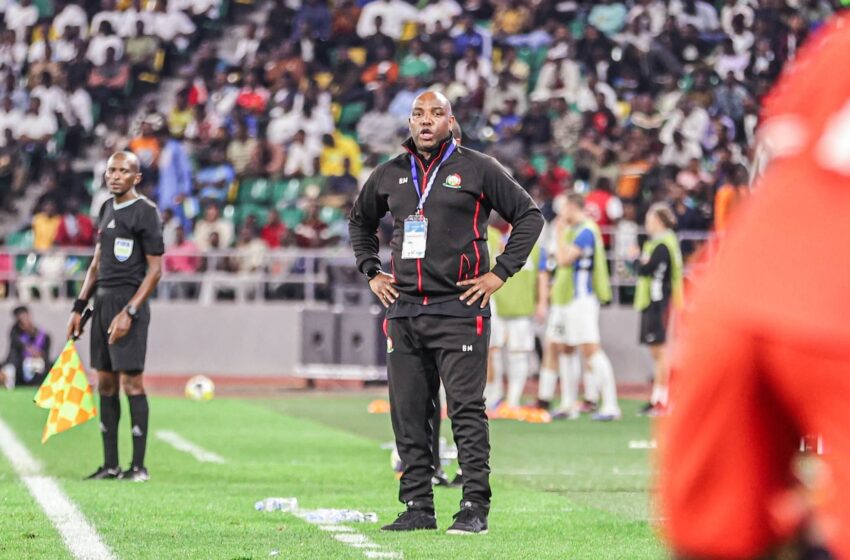
South African coach Benni McCarthy faces one of the most demanding assignments in Kenyan football as he works to reshape Harambee Stars into a competitive national team ahead of the 2027 Africa Cup of Nations (AFCON).
Kenya is set to co-host the continental tournament alongside Tanzania and Uganda and the pressure is mounting for the technical bench to build a squad capable of competing with Africa’s established football nations rather than merely benefiting from home support.
McCarthy’s project is about more than changing the names on the team sheet. It requires a clear playing identity, stronger defensive organisation, better use of possession and a reliable pathway for players emerging from the Kenyan Premier League. The coming months will test whether the former Manchester United and Blackburn Rovers striker can translate his European football experience into a system that delivers consistent results at international level.
PAY ATTENTION: Follow Kenya Frontline WhatsApp channel for more news
Kenya’s preparations must also account for the limited time available to assemble a settled squad. International windows are short, players arrive from different competitive environments and the domestic league presents its own challenges. Every camp therefore needs to serve a clear purpose, from testing tactical combinations to identifying the players capable of delivering under pressure.
McCarthy’s tactical blueprint: Building a more organised Harambee Stars
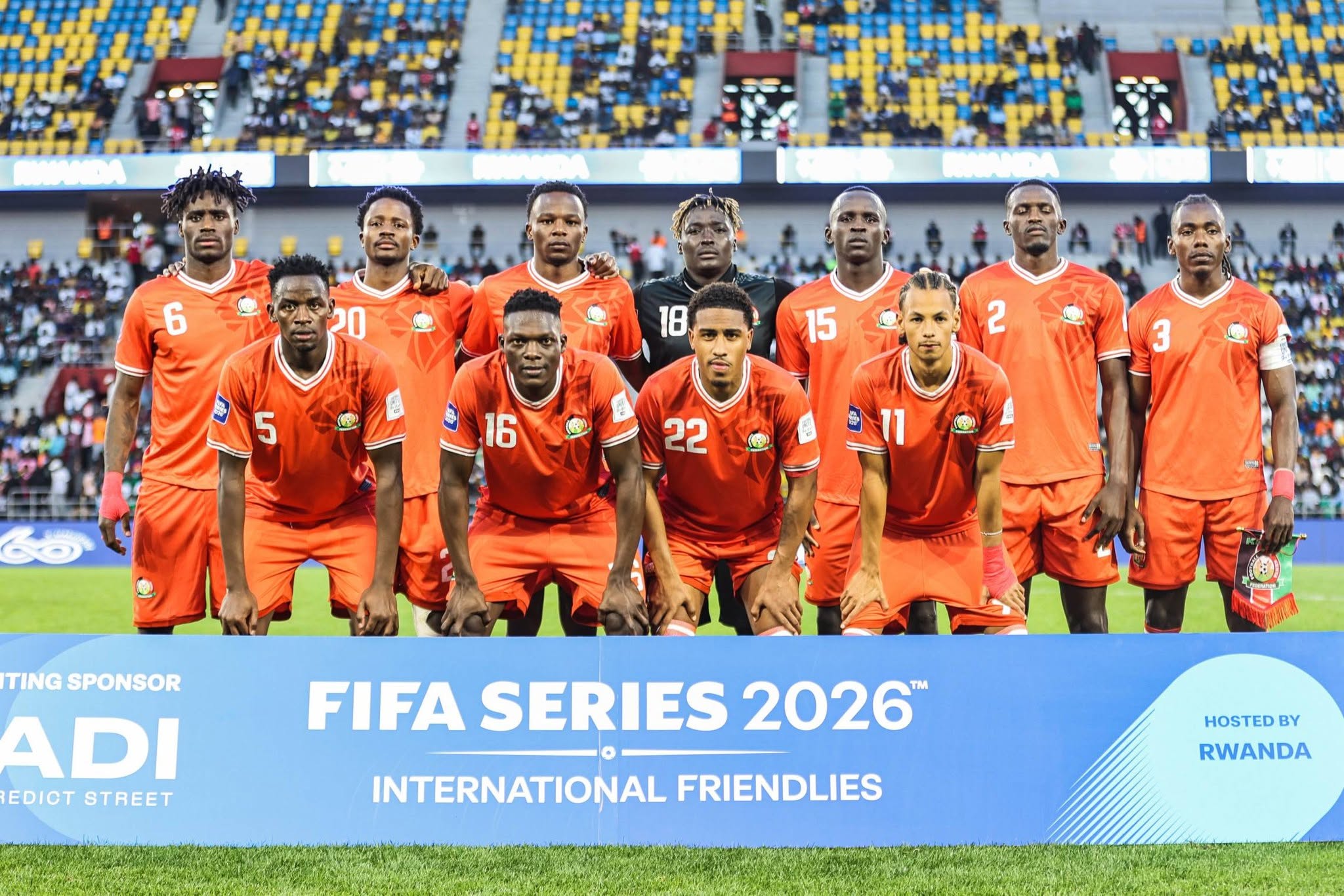
One of the central questions surrounding McCarthy’s tenure is how he intends to balance defensive discipline with attacking ambition. Kenya cannot afford to approach every opponent with the same tactical plan, particularly against African sides that possess greater depth, physical strength or experience in major tournaments.
A mid-block defensive structure could provide a practical starting point. Rather than pressing opponents relentlessly from their penalty area, Harambee Stars can organise themselves in the middle third, close passing lanes and force opponents into less dangerous areas. The approach would allow Kenya to preserve energy while maintaining a compact shape between defence and midfield.
Read Also: Pharmacy Board Looks to Shape Future of Pharmaceutical Practice
However, a mid-block only works when players understand their responsibilities. The forwards must know when to initiate pressure, midfielders must protect the spaces between the lines, and defenders must move together instead of retreating independently. Poor coordination can leave gaps for opponents to exploit, particularly when quick passes bypass the first line of pressure.
McCarthy’s technical bench must therefore evaluate more than the final score of each international fixture. Analysts should examine how frequently Kenya wins possession in useful areas, whether the defensive line maintains appropriate distances, how quickly the team recovers after losing the ball and whether opponents can create clear chances through the centre.
These measurements would offer a clearer picture of progress than possession percentages alone.
Transition play is equally important. Kenya need to become more dangerous immediately after regaining possession, when opponents may have committed players forward. Quick forward passes, intelligent runs from wide players and coordinated movement from attacking midfielders could help the team turn defensive recoveries into genuine scoring opportunities.
The reverse transition also deserves attention. Losing possession while attacking can expose the centre-backs and leave the defensive midfielders facing several opponents in open space. A structured response, supported by immediate pressure around the ball and disciplined recovery runs, would reduce the number of situations in which Kenya’s defenders are left isolated.
The objective should not be to impose a complicated tactical identity for its own sake. It should be to establish a system that players can execute consistently, even against technically superior opposition.
Defensive stability remains a critical test
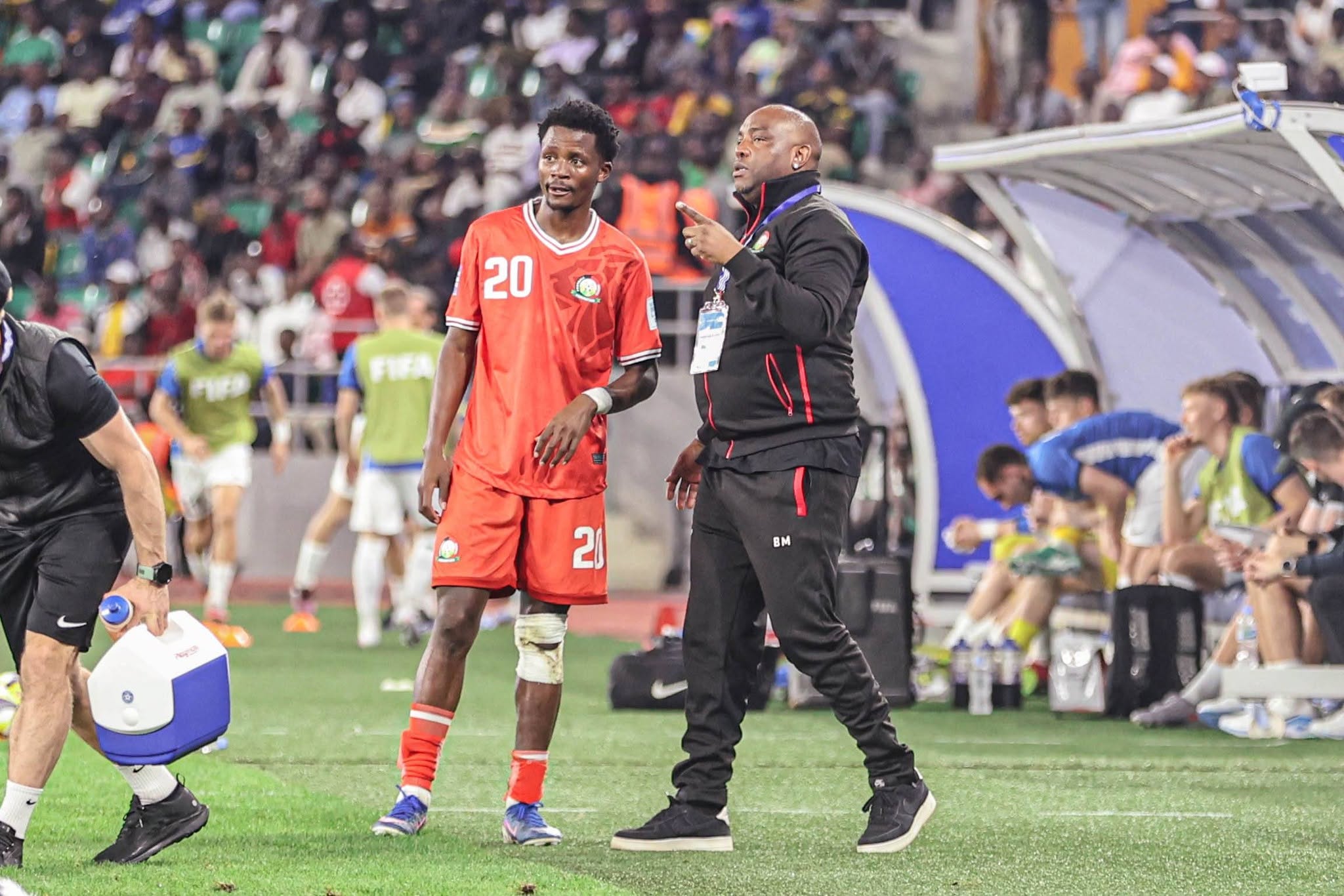
For Kenya to compete at AFCON 2027, the technical bench must establish a dependable defensive foundation. Individual talent matters, but international tournaments frequently expose teams that lack coordination when defending crosses, set pieces and rapid changes of direction.
Read Also: KNEC Grade 10 Assessment 2026: Guidelines, Timelines & School Requirements
McCarthy needs to identify his preferred centre-back partnership while developing credible alternatives. Injuries, suspensions and differences in club form make it risky to rely on a single combination throughout a long preparation cycle.
Full-backs also require careful assessment. Their ability to contribute in attack must be balanced against their positioning when possession is lost. If both advance simultaneously without adequate midfield cover, opponents can exploit the space behind them.
A disciplined defensive midfielder could help solve this problem by screening the back four, intercepting passes and providing a reliable outlet when Kenya recover possession. The role demands positional intelligence as much as tackling ability.
Read Also: KNEC Grade 10 Assessment 2026: Guidelines, Timelines & School Requirements
Set pieces should form another measurable part of the technical review. Kenya must improve the organisation of their defensive corners and free kicks while developing attacking routines that take advantage of their strongest aerial players. In closely contested matches, these situations can determine whether a team progresses or exits a tournament.
The coaching staff should use match footage and training assessments to identify recurring weaknesses, then measure whether those problems decline in subsequent fixtures. Repeatedly conceding similar chances would suggest that tactical adjustments have not translated into effective execution on the pitch.