7 Key Questions About JKIA Upgrade Project Every Kenyan Is Asking

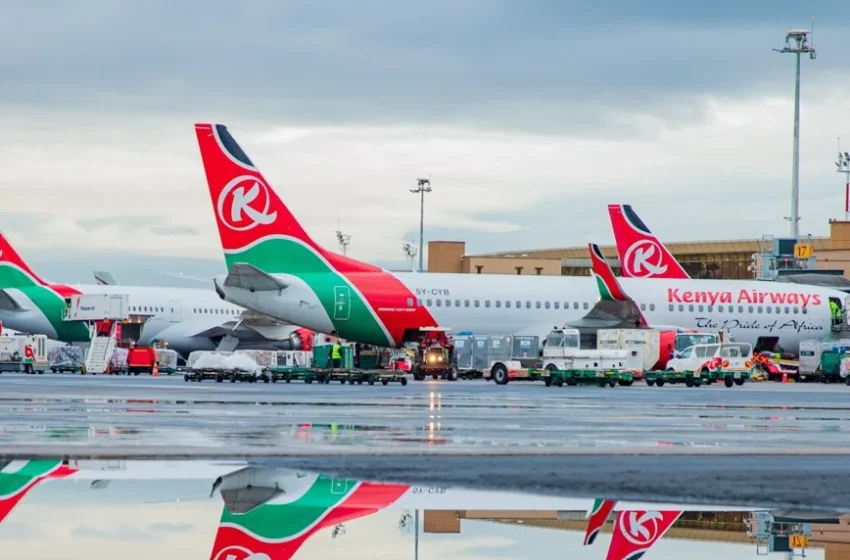
The proposed upgrade of Jomo Kenyatta International Airport (JKIA) has generated intense public interest, with debates over its cost, procurement process and the companies reportedly linked to the project. Recent statements by Transport Cabinet Secretary Davis Chirchir have sought to clarify some of the claims, but many Kenyans are still left with unanswered questions.
If you’ve been following the headlines but aren’t sure what to make of them, here are the seven biggest questions people are asking—and what we know so far.
Also Read: Top Comoros Official Hospitalized in Nairobi Amid Rising Tensions in Moroni
1. Why is the government planning to upgrade JKIA?
JKIA is Kenya’s largest and busiest airport, serving millions of passengers every year and acting as a gateway for trade, tourism and investment. Much of its infrastructure was built decades ago, and officials argue that it needs modernization to handle growing demand and improve efficiency.
The government says the planned works are intended to expand capacity, enhance passenger experience, strengthen security systems and position Nairobi as a leading aviation hub in Africa.
However, the scale of the proposed investment has also raised questions about priorities and financing, especially at a time when many Kenyans are concerned about the cost of living.
2. Will the project really cost Sh375 billion?
This is perhaps the most widely debated issue.
Reports circulating online claimed that the JKIA upgrade would cost taxpayers Sh375 billion. In response, Transport CS Davis Chirchir publicly disputed that figure, saying the contract under consideration will not exceed Sh154.2 billion.
He also noted that because some components may involve foreign currency, the final amount could vary depending on exchange rate movements. Until the final contract is signed and published, many observers expect continued debate over the project’s actual value.
The difference between the reported figures highlights why major infrastructure projects often become the subject of public scrutiny and why transparent communication is essential.
3. Has the contract already been signed?
No. According to the government, the contract has not yet been signed.
Chirchir said implementation will be undertaken by the Kenya Airports Authority once the procurement process is completed. That means the project is still at a stage where contractual formalities remain outstanding.
This distinction is important because rumors of completed deals can create confusion and fuel speculation before official agreements are finalized.
4. Is Zimbabwean businessman Wicknell Chivayo involved?
Claims linking controversial Zimbabwean businessman Wicknell Chivayo to the project have attracted significant attention.
The Ministry of Transport has denied those reports, stating that Chivayo did not participate in the bidding process and has no role or association with the proposed JKIA upgrade.
According to the ministry, all bidders were required to disclose the members of their joint ventures, and none of the submitted documentation identified Chivayo or companies connected to him.
While the clarification addresses the government’s position, the episode demonstrates how quickly speculation can spread around high-profile public projects.
5. Why are civil society groups demanding more transparency?
Large infrastructure projects funded through public resources are expected to meet high standards of accountability.
Several civil society organizations have called on the government to release additional details about the JKIA project, including procurement documents, financing arrangements and contractual terms.
Their argument is straightforward: when billions of shillings are potentially involved, the public should have access to enough information to understand how decisions are being made and whether taxpayers are receiving value for money.
Transparency can also reduce misinformation by replacing rumors with verifiable facts.
6. Why is this project being compared to the cancelled Adani proposal?
Many Kenyans remember the airport modernization proposal involving India’s Adani Group, which was eventually cancelled after attracting widespread criticism and public protests.
That experience made citizens more cautious about major infrastructure agreements involving strategic national assets. As a result, any new proposal involving JKIA is likely to be examined closely for its financing model, procurement process and long-term implications.
The comparison does not necessarily mean the projects are identical, but it explains why public interest in the current upgrade is unusually high.
7. What could the upgrade mean for Kenya if it succeeds?
If implemented effectively, a modernized JKIA could have benefits that extend well beyond the airport itself.
Passengers could experience shorter queues, improved terminals and more efficient services. Airlines may find it easier to expand operations, while exporters could benefit from enhanced cargo facilities.
Tourism businesses, conference organizers and investors often view high-quality airport infrastructure as a sign of a country’s readiness for international commerce. Better facilities can strengthen Kenya’s competitiveness and support long-term economic growth.
At the same time, the success of the project will likely depend not only on construction quality but also on public confidence in how it is managed.
Also Read: Rio Ferdinand To Open International Doors For Arusha Through AFCON 2027
The Bottom Line
The debate surrounding the JKIA upgrade is about more than headlines and cost estimates. It reflects broader questions about infrastructure planning, transparency and public accountability.
While government officials maintain that the project’s cost has been overstated and reject claims linking certain individuals to the tender process, many Kenyans are still seeking greater clarity on procurement and financing.
As more information becomes available, one thing is certain: the modernization of Kenya’s main international airport will remain one of the country’s most closely watched infrastructure projects. For citizens, understanding the facts behind the controversy is just as important as following the latest developments.