Why Kenya Clean Energy Shift Is Accelerating LPG Adoption and Cooking Fuel Change

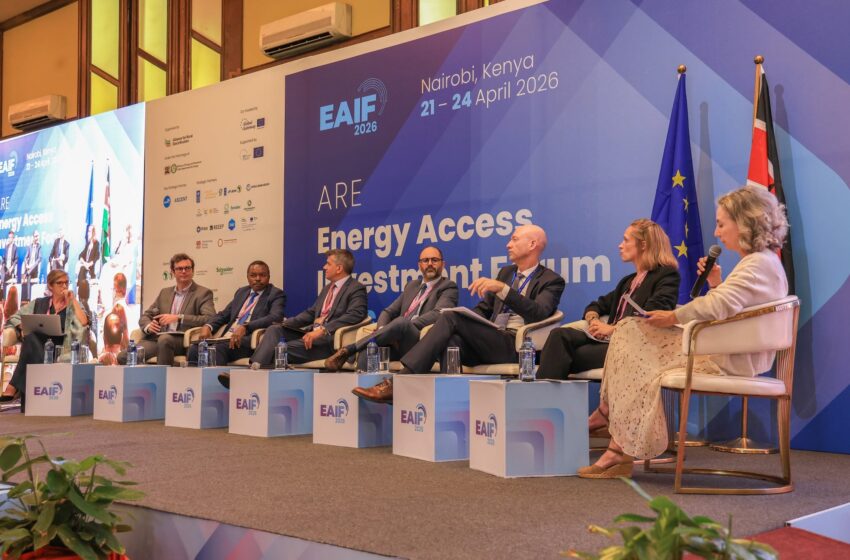
Kenya is undergoing a major transformation in its household energy sector as global energy company TotalEnergies commits significant investment toward clean cooking solutions centered on Liquefied Petroleum Gas (LPG).
The initiative is part of a broader effort to reduce reliance on traditional fuels such as firewood and kerosene while expanding access to safer, cleaner, and more efficient cooking energy.
At the heart of this transformation is a multi-billion-shilling investment strategy aimed at increasing LPG penetration, improving distribution systems, and addressing long-standing challenges such as affordability and illegal cylinder refilling.
Also Read: 7 Profitable Business Ideas to Start With 50K in Kenya (2026 Guide)
Understanding Kenya Clean Cooking Transition
The clean cooking transition refers to the shift from traditional biomass fuels to modern energy sources like LPG.
In Kenya, millions of households still rely on:
-
Firewood
-
Charcoal
-
Kerosene
These fuels are associated with:
-
Indoor air pollution
-
Environmental degradation
-
Health risks, especially for women and children
The government and private sector are now working together to scale LPG adoption as a cleaner alternative.
TotalEnergies LPG Investment Strategy in Kenya
TotalEnergies has committed to investing approximately Sh1 billion annually in Kenya to support clean cooking solutions.
The focus is primarily on LPG distribution through cooking gas cylinders and infrastructure expansion.
The company also aims to introduce hundreds of thousands of cylinders into the market annually to meet growing demand.
This investment is part of a larger global clean energy commitment targeting millions of households across Africa and Asia.
Why LPG Is Central to Clean Cooking in Kenya
Liquefied Petroleum Gas is increasingly seen as a key solution for household energy transition because it is:
-
Cleaner than biomass fuels
-
Faster for cooking
-
More energy efficient
-
Scalable for urban and rural use
According to industry data, switching to LPG can reduce household emissions by up to 98 percent, making it one of the most impactful clean energy alternatives available.
Kenya LPG Market Growth and Demand Trends
Kenya’s LPG consumption has been growing steadily in recent years.
Key market trends:
-
Double digit growth in LPG demand
-
Declining kerosene usage
-
Increased government support for clean energy policies
The shift has been supported by:
-
Tax incentives such as zero rating of LPG
-
National LPG growth strategies
-
Increased urbanization and household income changes
This growth reflects a strong national transition toward cleaner energy systems.
Cylinder Tracking and Illegal Gas Filling Challenge
One of the biggest challenges facing the LPG sector in Kenya is illegal cylinder refilling.
This involves:
-
Unauthorized refilling of branded cylinders
-
Unsafe handling of gas
-
Operation of illegal filling stations
-
Bypassing of safety regulations
These activities create both:
-
Safety risks for consumers
-
Financial losses for legitimate companies
To address this, companies are introducing digital tracking and tagging systems for cylinders.
Role of Energy Regulators in Kenya

The Energy and Petroleum Regulatory Authority plays a central role in enforcing safety and compliance in the LPG sector.
Energy and Petroleum Regulatory Authority
The authority works alongside other agencies to:
-
Shut down illegal operators
-
Enforce safety standards
-
Regulate cylinder distribution
-
Protect consumers from unsafe gas products
Multi-agency enforcement has become a key strategy in addressing the illegal LPG market.
Also Read: Top Comoros Official Hospitalized in Nairobi Amid Rising Tensions in Moroni
Government Clean Cooking Policy Direction
Kenya’s clean cooking agenda is guided by national energy transition policies that aim to significantly increase LPG adoption.
The government is targeting a major rise in LPG penetration from current levels to much higher household usage within the next few years.
Key policy actions include:
-
Open Tender System for LPG imports
-
Development of shared storage infrastructure
-
Expansion of distribution networks
-
Promotion of clean cooking programs in institutions
These reforms are designed to reduce costs and improve access.
LPG Penetration Targets and National Impact
Kenya’s long-term vision is to expand clean cooking access to millions of households.
The government is also focusing on:
-
Schools transitioning from biomass to LPG
-
Public institutions adopting clean energy systems
-
Rural household energy transition programs
This shift is expected to reduce environmental degradation caused by deforestation while improving public health outcomes.
Role of Private Sector in Clean Energy Transition
Private companies are playing a critical role in supporting Kenya’s clean cooking transformation.
TotalEnergies, for example, is working on:
-
Expanding LPG supply chains
-
Introducing affordable cylinder models
-
Improving distribution efficiency
-
Partnering with fintech energy providers
One key innovation is the pay-as-you-cook model, which allows households to pay for LPG in small amounts instead of buying full cylinders upfront.
Pay As You Cook Model Explained
The pay-as-you-cook system is designed to improve affordability and access for low-income households.
Under this model:
-
Customers use smart meters or prepaid systems
-
Payments are made based on usage
-
Households avoid high upfront equipment costs
This approach is helping reduce barriers that previously prevented many families from adopting LPG.
Environmental and Health Benefits of LPG Adoption
The shift to LPG is expected to deliver significant environmental and health benefits.
Key benefits include:
-
Reduced indoor air pollution
-
Lower respiratory disease risk
-
Reduced deforestation pressure
-
Cleaner household environments
This makes clean cooking a public health priority as well as an energy policy issue.
Also Read: Rio Ferdinand To Open International Doors For Arusha Through AFCON 2027
Economic Impact of LPG Expansion
The growth of LPG adoption also has wider economic implications.
It supports:
-
Job creation in distribution networks
-
Growth of energy retail markets
-
Investment in infrastructure development
-
Increased energy sector innovation
It also reduces household spending on inefficient fuels over time.
Challenges Facing Clean Cooking Transition
Despite progress, several challenges remain:
-
High upfront costs for equipment
-
Illegal gas distribution networks
-
Limited rural infrastructure
-
Consumer awareness gaps
Addressing these issues will be key to achieving national clean cooking goals.
Future Outlook for Clean Cooking in Kenya
Kenya’s clean cooking transition is expected to accelerate over the coming years as government policy, private investment, and consumer demand align.
With increased LPG infrastructure and innovative payment systems, more households are expected to shift away from traditional fuels.
If current trends continue, LPG could become the dominant household cooking energy source in urban and semi urban areas.
What This Means for Kenya
Kenya’s clean cooking transition represents a major shift in household energy use, combining government policy, private sector investment, and technological innovation.
Through LPG expansion, cylinder tracking systems, and affordable payment models, the country is moving toward safer, cleaner, and more efficient cooking energy solutions.
This transformation is expected to improve public health, reduce environmental damage, and reshape the energy landscape for millions of Kenyan households.