
Why Kenya Has One of Fastest Growing Digital Workforces in Africa

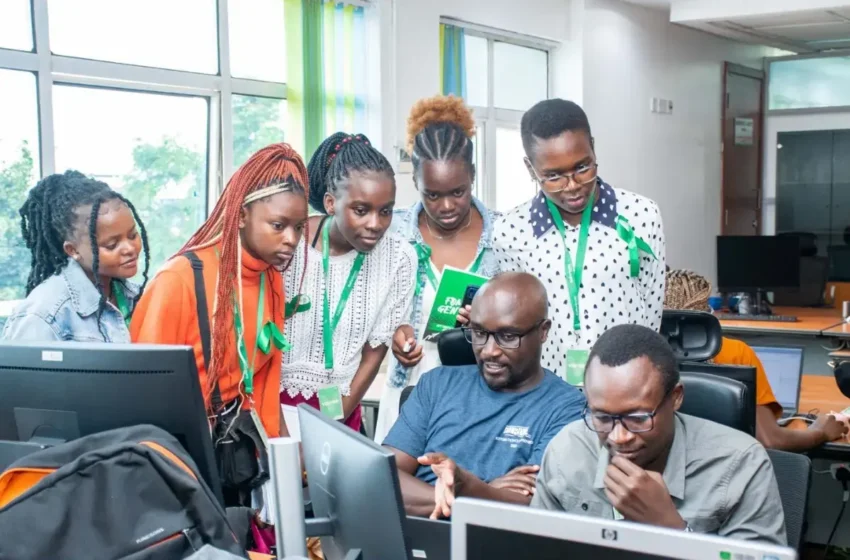
Not long ago, the idea of earning a living from a laptop while working for clients thousands of kilometres away sounded unrealistic for many young Kenyans. Today, it is becoming an increasingly common reality.
From software developers in Nairobi to virtual assistants in Kisumu and graphic designers in Mombasa, thousands of professionals are building careers that extend far beyond Kenya’s borders. Armed with internet access, digital skills, and determination, they are serving businesses in Europe, North America, Asia, and the Middle East without leaving home.
The nation’s transformation is not simply about technology but it also reflects changing attitudes toward work, entrepreneurship, and the role Kenya can play in an increasingly connected global economy.
Digital Work Is Expanding Beyond Traditional Offices
The digital workforce includes people who use online platforms and technology to deliver services remotely. Some are employed full-time by international companies, while others operate as freelancers or independent consultants.
Unlike conventional office jobs, digital work often allows professionals to collaborate across time zones, communicate through video conferencing, and deliver projects entirely online.
For many young Kenyans facing a competitive domestic job market, this has created opportunities that did not exist a decade ago.
Common Digital Careers in Kenya
| Career | Typical Work |
|---|---|
| Software Developer | Building websites and applications |
| Virtual Assistant | Administrative and customer support |
| Graphic Designer | Branding and digital design |
| Digital Marketer | Advertising and social media campaigns |
| Content Writer | Articles, blogs, and marketing copy |
| Data Analyst | Business intelligence and reporting |
| Customer Support Agent | Assisting international clients remotely |
Why Kenya Has Become a Digital Talent Hub
Kenya’s growth as a digital workforce leader is not accidental. Several long-term developments have created an environment where online work can flourish.
A Strong Culture of Innovation
Kenya has earned international recognition for embracing technology-driven solutions. The popularity of mobile payments, digital entrepreneurship, and startup ecosystems has encouraged many young people to view technology as a pathway to economic opportunity.
Innovation hubs and co-working spaces have also created environments where entrepreneurs and freelancers can collaborate, exchange ideas, and develop new skills.
English Language Skills Open Global Doors
English is widely used in Kenyan education, business, and professional communication.
As a result, Kenyan workers often find it easier to communicate with overseas employers and clients compared to professionals in regions where English is less commonly spoken.
For industries such as customer service, content creation, software development, and consulting, this language advantage can be a significant competitive asset.
Growing Digital Literacy
Universities, technical colleges, and online learning platforms have expanded access to technology education.
Many professionals now acquire specialised skills through short online courses, coding boot camps, and professional certifications alongside formal education.
This culture of continuous learning has helped workers adapt quickly to changing market demands.
Remote Work Is Changing Career Expectations
For many professionals, remote work has shifted from being an emergency response during global disruptions to becoming a long-term career choice.
A web developer living in Eldoret may spend the morning attending virtual meetings with colleagues in London before completing projects for a company based in Toronto.
Meanwhile, a digital marketer in Nairobi could manage campaigns targeting customers in multiple countries without ever boarding a plane.
These examples demonstrate that geography increasingly matters less than expertise and reliability.
Freelancing Offers Opportunity and Flexibility
Freelancing has become one of the most visible drivers of Kenya’s digital economy.
Rather than relying on a single employer, freelancers often work with multiple clients simultaneously, providing services such as design, programming, writing, bookkeeping, consulting, and research.
For some, freelancing offers independence and income diversification. For others, it serves as a stepping stone toward launching agencies or technology businesses.
However, success is rarely immediate.
Finding clients, maintaining professional relationships, negotiating contracts, and managing unpredictable income require persistence and discipline.
Why Global Companies Are Looking Beyond Borders
Businesses worldwide increasingly recognise that talent is not limited by geography.
Hiring remotely allows organisations to access specialised skills while building diverse teams across different markets.
Kenya benefits from this trend because it combines educated professionals, competitive operating costs, and improving digital infrastructure.
Factors Supporting Kenya’s Digital Workforce Growth
| Growth Driver | Why It Matters |
|---|---|
| Reliable internet expansion | Enables remote collaboration |
| Young workforce | Provides adaptable talent |
| English proficiency | Simplifies international communication |
| Entrepreneurial mindset | Encourages innovation |
| Digital payments | Supports online commerce and services |
These strengths have helped position Kenya as an emerging destination for remote employment and outsourcing partnerships.
The Reality Behind the Success Stories
While inspiring stories of freelancers earning international incomes attract attention, the digital economy also presents significant challenges.
Power interruptions, inconsistent connectivity in some regions, and high competition can make remote work demanding.
Many newcomers underestimate the time required to establish a stable client base or develop specialist expertise.
Additionally, professionals working independently must often manage taxes, retirement planning, healthcare, and business administration on their own.
Balanced expectations are therefore essential.
Also Read: Rio Ferdinand To Open International Doors For Arusha Through AFCON 2027
Skills Matter More Than Geography
One of the defining characteristics of the digital economy is that employers increasingly prioritise skills over physical location.
Whether building software, analysing data, designing graphics, or writing content, the quality of work often outweighs where the worker lives.
This shift has created opportunities for talented professionals in cities, towns, and even rural communities where internet connectivity allows participation in global markets.
Outsourcing Is Expanding New Opportunities
International outsourcing has become another important contributor to Kenya’s digital workforce.
Companies seeking customer support, software engineering, accounting services, research assistance, or digital marketing increasingly distribute work across multiple countries.
For Kenya, this trend supports employment while exposing local professionals to international standards and practices.
As businesses continue embracing hybrid and remote operating models, outsourcing may remain an important source of future growth.
Challenges That Cannot Be Ignored
Despite encouraging progress, several structural issues deserve attention.
Infrastructure Gaps
Reliable electricity and high-speed internet remain unevenly distributed, limiting opportunities in some communities.
Skills Mismatch
Technology changes rapidly, requiring workers to continually upgrade their knowledge.
Payment Barriers
Receiving funds from international clients can involve transaction fees, currency fluctuations, or platform restrictions.
Cybersecurity Risks
Remote workers must protect sensitive information and maintain secure digital practices to safeguard client data.
Digital Work Compared With Traditional Employment
| Feature | Traditional Employment | Digital Work |
|---|---|---|
| Workplace | Fixed office | Often remote or hybrid |
| Client Base | Usually local | Frequently international |
| Schedule | Fixed hours | Greater flexibility in many roles |
| Career Path | Single employer | Multiple clients or employers |
| Geographic Reach | Domestic | Global opportunities |
Neither model is inherently better. Each offers different advantages depending on career goals, industry, and personal circumstances.
Why This Matters for Kenya’s Future
The rise of digital work has implications that extend beyond individual careers.
A thriving digital workforce can encourage innovation, attract investment, expand exports of professional services, and reduce dependence on traditional employment models.
It also demonstrates that economic growth increasingly depends on knowledge, creativity, and technological capability rather than physical location alone.
For policymakers, expanding digital infrastructure and supporting skills development could strengthen Kenya’s competitiveness in the global economy.
For individuals, continuous learning and adaptability may prove just as important as academic qualifications.
Also Read: Top Comoros Official Hospitalized in Nairobi Amid Rising Tensions in Moroni
Conclusion
Kenya’s rapidly expanding digital workforce represents more than a technological trend—it reflects a broader transformation in how work is organised and how opportunity is created.
Remote employment, freelancing, and global outsourcing have opened new doors for professionals willing to invest in valuable skills and embrace changing workplace expectations.
While challenges remain, the country’s combination of youthful talent, innovation, and growing digital adoption suggests that Kenya will continue to play an increasingly important role in Africa’s evolving digital economy.

