
KECOBO Tariffs, CMO Licensing Rules & Venue Compliance

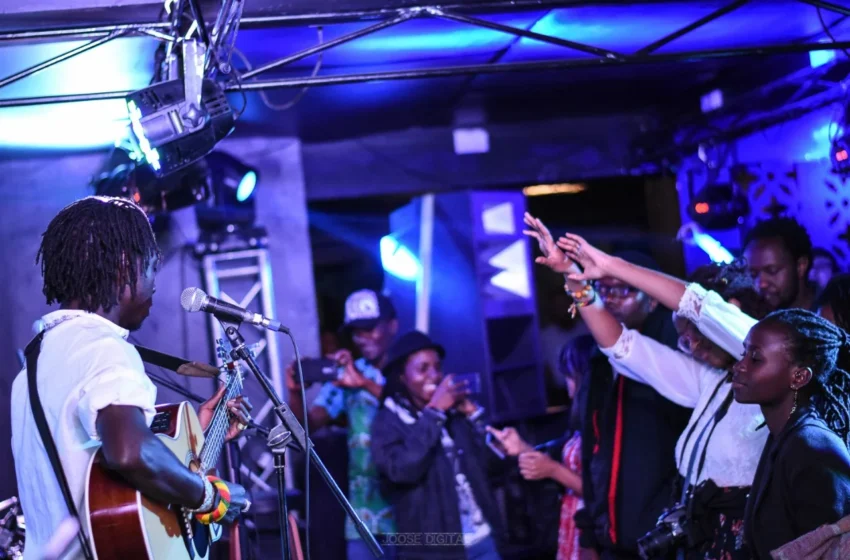
Businesses that play music, show audiovisual content or host live entertainment in Kenya need to understand the country’s copyright licensing framework before using protected works commercially.
Restaurants, hotels, bars, lounges, shops, matatus, taxis, event organisers, DJs and other commercial users can fall within the scope of copyright licensing when music or audiovisual works are communicated to the public.
The framework is supervised by the Kenya Copyright Board (KECOBO), while Collective Management Organizations (CMOs) administer specific rights on behalf of copyright and related-rights holders.
For businesses, one of the most important developments is the introduction of the Consolidated Music and Audio-Visual Works Tariffs for 2026–2028. The tariff was approved under the Copyright Act and published as Legal Notice No. 4 in the Kenya Gazette Supplement of January 29, 2026.
The new schedule replaced the earlier consolidated music tariffs issued under Legal Notice No. 84 of 2023 and applies from January 1, 2026, to December 31, 2028.
Read Also: Pharmacy Board Looks to Shape Future of Pharmaceutical Practice
What Is a Public Performance Licence in Kenya?
A public performance or public-use licence is essentially permission covering the commercial use of copyright-protected music or related works.
Playing music through speakers in a restaurant is different from listening to music privately at home. A business that makes music available to customers as part of its commercial environment may therefore have licensing obligations.
The same principle can apply to businesses using sound recordings, audiovisual works, live music or other protected content.
KECOBO supervises the collective management system and has historically required licensed CMOs to collect royalties from users of copyright works in accordance with approved tariffs.
The regulator has also previously warned that organisations cannot undertake royalty collection without a valid CMO licence.
Businesses should therefore verify the regulatory status of any organisation demanding payment before settling an invoice.
Kenya Copyright Tariffs 2026–2028
The current consolidated tariff covers music and audiovisual works and combines rights relating to several categories of rights holders.
The gazetted schedule states that the consolidated tariff covers:
- Authors, composers, arrangers and publishers;
- Producers and performers of sound recordings; and
- Actors’ tariffs.
The rates are exclusive of applicable taxes. Invoices are generally payable within 30 days, although daily activities such as roadshows, promotional activities and events are payable immediately.
Failure to pay an invoice after the 30-day period attracts a 5% monthly compounded penalty for the period the invoice remains unpaid. The licence itself is valid for one year from the date of issue.
2026 Music Licence Fees for Restaurants, Bars and Hotels
The 2026 tariff is particularly important for hospitality businesses.
Bars, restaurants, cafes, road houses, lounges, eateries, taverns, beer gardens, motels, lodgings, camps, cottages, furnished and serviced apartments, Airbnb establishments and similar businesses fall under CMT 8.
The applicable charge is:
60% of the Single Business Permit (SBP).
Hotels, lodges and similar establishments are separately listed under CMT 9, also at 60% of the Single Business Permit.
Businesses should therefore not assume that every establishment pays a single flat annual amount. The applicable tariff depends on the category into which the business falls.
2026 Music Licence Fees for Matatus and Commercial Vehicles
Transport operators are also covered by the new tariff.
Under CMT 11, commercial vehicles, including PSVs, TSVs, taxis and passenger trains, are charged according to sitting capacity.
The published rates include:
| Vehicle category | Annual tariff |
|---|---|
| 1–5 seaters, including taxis | KSh4,000 |
| 6–14 seaters | KSh6,000 |
| 15–33 seaters | KSh10,000 |
| 34 seats and above | KSh15,000 |
| Trucks, trailers and lorries | KSh4,000 |
| Small cars and minivans | KSh2,500 |
| Train coaches per wagon | KSh25,000 |
| Marine vessel | KSh60,000 |
| Marine vessel attached to hotel | KSh30,000 |
The tariff also provides for TSVs at KSh200 per seat annually.
That means matatu operators and other public-service transport businesses should factor copyright licensing into their annual operating costs where protected music or audiovisual content is used.
Transport operators dealing with wider regulatory requirements can also review Kenya Frontline’s guide to the KRA Form C28 transit goods licence, which explains a separate licensing framework applicable to Customs-controlled transport.
Read Also: Top Comoros Official Hospitalized in Nairobi Amid Rising Tensions in Moroni
DJ Licence Fees in Kenya 2026
DJs have their own category under CMT 10.
The 2026 tariff provides for:
- KSh30,000 annually per DJ, or
- KSh1,000 per DJ per event.
This is particularly relevant for professional DJs performing at clubs, private functions, corporate events, weddings, concerts and other commercial entertainment activities.
Event organisers should establish who is responsible for obtaining the applicable licence before an event takes place rather than assuming that the venue’s general licence automatically covers every separate activity.
Music Licence Fees for Live Bands and Concerts
Live entertainment is also covered.
Regular live bands, in-house bands, house-band shows, nightly band shows, resident musicians, venue-based music shows and scheduled live music entertainment fall under CMT 12.
The annual rates are:
- Cities – KSh50,000
- All other areas – KSh20,000.
Concerts and live shows fall under CMT 13, with the tariff providing:
- Paying concerts – KSh50,000 per event
- International concerts – KSh100,000 per event.
Promoters should therefore establish the applicable category before advertising or staging an event.
Other Businesses Covered by the 2026 Tariff
The licensing framework extends beyond traditional entertainment businesses.
For example, banking halls, gyms, showrooms, workshops and similar establishments fall under CMT 16.
The annual rates are:
- Cities – KSh25,000 per branch
- Other areas – KSh15,000 per branch.
Hairdressers, salons, spas, car washes, barbershops, retail shops and similar establishments fall under CMT 17:
- Cities – KSh5,000
- Other areas – KSh3,000 per branch.
Supermarkets, warehouses, halls and similar establishments are covered under CMT 18, with charges determined by audible-area size.
For example, premises measuring above 5,000 square feet attract KSh200,000 in cities and KSh150,000 in other areas. Smaller premises have lower rates.
Are MCSK, KAMP and PRISK Still All Licensed?
This is an area where businesses need to be particularly careful.
KECOBO’s 2025 licensing decisions changed the status of several CMOs.
In October 2025, KECOBO announced that KAMP Copyright and Related Rights Limited and PAVRISK had been successful in the CMO licensing process for a one-year period beginning November 5, 2025.
MCSK was not included in that final licensing decision.
There was subsequently further regulatory action involving KAMP. In July 2026, KECOBO suspended KAMP’s operating licence for three months following a regulatory review concerning governance, financial management, licensing practices and compliance. During the suspension, PAVRISK was directed to collect royalties on behalf of rights holders under KAMP’s mandate.
The situation demonstrates why businesses should not rely on old lists of CMOs when deciding who should receive a licence payment.
The safest approach is to confirm the organisation’s current regulatory authority through KECOBO and verify the licence or invoice before making payment.
What Is the 2026–2028 Consolidated Tariff?
The current tariff is different from the older system in which users could encounter separate charges associated with different rights-holder organisations.
The gazetted 2026–2028 framework is expressly described as a consolidated music and audio-visual works tariff.
It incorporates:
- Rights in musical works;
- Rights of sound-recording producers and performers; and
- Actors’ tariffs.
The aim is to create a more unified licensing framework for users while ensuring different categories of rights holders are represented.
PAVRISK has also published the official 2026–2028 consolidated tariff on its website and says the rates are now in effect.
How Businesses Can Apply for a Music Licence
Business owners should approach licensing as a compliance process rather than waiting for enforcement officers to visit.
Step 1: Identify What Content You Use
Start by establishing whether your business uses:
- Recorded music;
- Television or audiovisual content;
- Live performances;
- DJs;
- Background music;
- Music during promotional events; or
- Other copyright-protected entertainment content.
The type of use can determine the relevant tariff category.
Step 2: Identify Your Business Category
A restaurant, matatu, hotel, salon, DJ, concert promoter and shopping mall may fall under completely different tariff classifications.
Using the wrong category could result in incorrect billing or disputes.
Step 3: Verify the CMO
Do not simply pay someone because they claim to represent a copyright organisation.
KECOBO has previously warned that royalty collection by an organisation without a valid licence is unlawful.
Ask for official identification, licence documentation and a verifiable invoice.
PAVRISK, for example, has advised businesses to request identification from field representatives claiming to be its agents.
Step 4: Obtain the Invoice
The invoice should identify the business, premises or activity being licensed and the applicable tariff category.
Check that the amount corresponds with the current tariff before making payment.
Step 5: Keep Your Licence and Payment Records
Businesses should retain:
- The licence;
- Invoice;
- Payment receipt;
- Correspondence with the CMO;
- Previous licences; and
- Documents relating to disputes or adjustments.
Good records can become important if a business later receives an arrears demand.
What Happens If You Have Copyright Licence Arrears?
Businesses that receive an arrears demand should not automatically ignore it.
They should request a written breakdown showing:
- The period claimed;
- The business category used;
- The tariff applied;
- Previous payments credited;
- Penalties or interest added; and
- The legal or regulatory basis for the demand.
The 2026 consolidated tariff states that unpaid invoices after the 30-day payment period attract a 5% monthly compounded penalty.
Where the amount appears incorrect, the business should raise the dispute in writing and retain evidence of the communication.
Read Also: Kenyan marathoner remanded over Ksh8 million land fraud case
A business should also verify whether the organisation making the demand had the necessary authority during the period for which payment is being sought.
Can KECOBO Enforce Copyright Compliance?
Yes.
KECOBO has an enforcement mandate under Kenya’s copyright framework and has previously registered cases involving copyright infringement and undertaken enforcement operations.
The Copyright Act also provides criminal consequences for certain copyright offences.
KECOBO previously stated that failure to pay required public-use licence fees could constitute an offence under Section 38 of the Copyright Act, with penalties including a fine of up to KSh500,000, imprisonment of up to four years, or both in the circumstances covered by that provision.
Businesses should therefore treat copyright licensing as a genuine regulatory obligation rather than an optional subscription.
Public Performance Licence Compliance Checklist
Before playing music or using audiovisual content commercially, a business should confirm:
-
What copyrighted content is being used?
-
What business or event category applies?
-
What is the current KECOBO-approved tariff?
-
Which CMO currently has authority to administer the relevant rights?
-
Has the invoice been verified?
-
Has the correct amount been paid?
-
Has a valid licence been issued?
-
Is the licence still within its validity period?
-
Are receipts and correspondence properly filed?
-
Have any historical arrears been independently verified?
Why Businesses Should Take the 2026 Tariffs Seriously
Copyright compliance is becoming increasingly important as Kenya’s creative economy expands.
Music is used commercially in almost every part of the economy, from restaurants and matatus to hotels, retail outlets, gyms, salons, shopping centres and large public events.
The 2026–2028 consolidated tariff provides businesses with clearer categories and published rates. It also creates a more predictable framework for creators and rights holders seeking remuneration for the commercial use of their works.
For businesses, the key lesson is simple: do not rely on outdated CMO information or old tariff schedules.
The current framework should be checked against the applicable 2026–2028 tariff, while the regulatory status of the organisation issuing a licence should be verified with KECOBO.
Frequently Asked Questions
Do matatus need a music licence in Kenya?
Commercial vehicles are covered by CMT 11 of the 2026–2028 consolidated tariff. The annual charge varies according to vehicle seating capacity, ranging from KSh4,000 for 1–5 seaters to KSh15,000 for vehicles with 34 seats or more.
How much is a DJ licence in Kenya in 2026?
The 2026 tariff sets the DJ rate at KSh30,000 annually or KSh1,000 per event.
How much do restaurants pay for a music licence?
Restaurants, bars, cafes, lounges and similar establishments fall under CMT 8 and are charged 60% of the applicable Single Business Permit.
How long is a copyright music licence valid?
The 2026–2028 tariff states that a licence is valid for one year from the date of issue.
What happens if a copyright invoice is not paid?
The consolidated tariff states that invoices generally become payable within 30 days. Failure to pay after that period attracts a 5% monthly compounded penalty while the invoice remains unpaid.
Is MCSK automatically authorised to collect music royalties in 2026?
Businesses should not assume that MCSK has the same regulatory status it had under previous licensing arrangements. CMO licensing has changed, and KECOBO’s most recent regulatory decisions should be checked before making payments.
Final Takeaway
Kenya’s copyright licensing system has entered a new phase with the 2026–2028 Consolidated Music and Audio-Visual Works Tariffs.
The gazetted framework covers businesses ranging from restaurants and hotels to matatus, DJs, live bands, retail shops, gyms, event organisers and other commercial users of music and audiovisual works.
The most important compliance steps are to identify the correct tariff category, verify the current authorised collecting organisation, obtain a valid licence and keep proper payment records.
Businesses should also remember that copyright licensing is separate from other regulatory requirements. A transport operator, for example, may need both copyright compliance and transport or Customs documentation depending on its operations. Kenya Frontline’s KRA Form C28 licensing guide provides an example of how other operational licensing requirements can affect businesses.

