
Kenya E-Mobility Policy: What Investors and Drivers Must Know

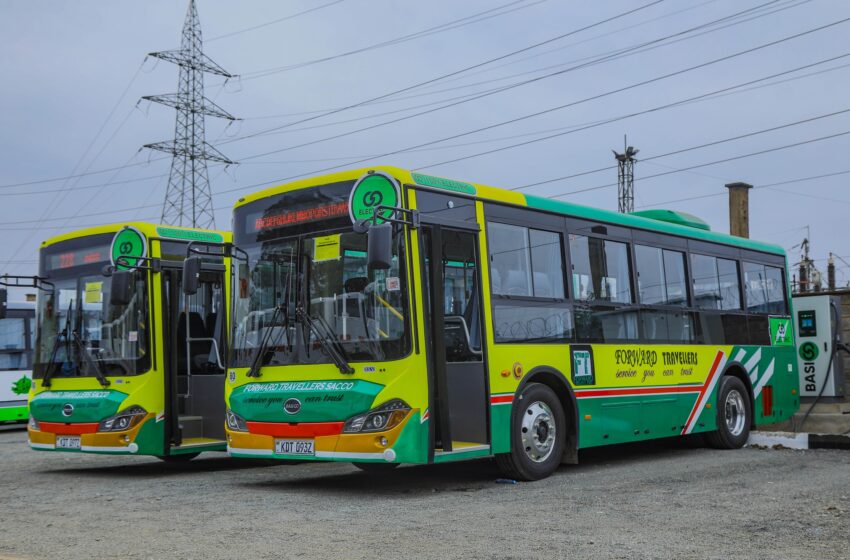
Despite the rumble of combustion engines still dominating Nairobi’s morning traffic, Kenya is undergoing a quiet but significant transportation transformation, with more than 39,000 electric vehicles registered by early 2026, a remarkable 2,700% increase in just three years. Rapid growth in electric mobility is reshaping the country’s economic landscape and positioning Kenya as a leading force in East Africa’s transition to sustainable transport.
Far from being merely a climate-focused trend, the shift to electric mobility represents a calculated economic strategy aimed at reducing the volatility of Kenya’s $5 billion annual petroleum import bill. By leveraging a national grid where over 90% of electricity is generated from renewable sources such as geothermal, wind, and hydro, the country is steadily replacing imported fossil fuels with domestically produced clean energy.
Read Also: Top Comoros Official Hospitalized in Nairobi Amid Rising Tensions in Moroni
The Economic Pillars of Kenyan E-Mobility
The push for electric mobility serves as a hedge against global oil price shocks. When a boda boda operator or a commercial fleet manager switches to electricity, they are effectively insulating their business operations from the unpredictable fluctuations of international crude markets.
This shift creates a more predictable operating cost environment. Beyond personal savings, the industrialization of the sector is catalyzing a new wave of “green jobs,” ranging from battery-swapping infrastructure technicians to assembly plant engineers and digital payment architects.
Comparative Cost Analysis of Mobility Options
The following table provides a snapshot of the operating economic reality for Kenyan drivers, comparing traditional internal combustion engine (ICE) vehicles with their electric counterparts.
| Feature | Petrol Vehicle (ICE) | Electric Vehicle (EV) | Economic Impact |
| Fuel/Energy Cost per KM | Ksh 15 – 18 | Ksh 2 – 4 | 80% Cost Reduction |
| Maintenance Needs | Frequent (Oil, Filters, Plugs) | Minimal (Few Moving Parts) | 60% Service Savings |
| Fuel Source | Imported/Volatile | Domestic/Renewable | Energy Security |
| Tax Status (Pre-July 2026) | Standard/Excise Applied | Zero-Rated/Duty-Free | Lower Entry Barrier |
Key Market Players Shaping the Landscape
The Kenyan EV ecosystem is characterized by a mix of agile local startups and international firms specializing in infrastructure. These companies are moving beyond simple vehicle sales, focusing instead on integrated energy-mobility solutions.
-
BasiGo: A market leader in electric public transport. They provide “pay-as-you-drive” financing models for bus operators, allowing fleet owners to transition to electric buses without the prohibitive upfront capital costs.
-
Spiro: Currently scaling a massive network of battery-swapping stations across Africa. Their focus on the motorcycle taxi sector allows riders to exchange depleted batteries for charged ones in minutes, eliminating “range anxiety” and downtime.
-
Roam: A pioneer in local design and assembly. They operate assembly plants in Thika and Mombasa Road, producing electric motorcycles and buses tailored specifically for Kenyan road conditions and payload requirements.
-
Autopax & Others: Brands like Autopax are entering the compact city car segment, providing budget-conscious commuters with modern electric hatchbacks that offer a viable alternative to the aging second-hand import market.
The Regulatory Tug-of-War: Finance Bill 2026
The momentum of Kenya’s EV sector reached a critical juncture with the introduction of the Finance Bill 2026. While the National Electric Mobility Policy—launched in February 2026—explicitly champions affordability through tax incentives, the current legislative debate presents a new challenge.
The proposal seeks to move electric buses, motorcycles, and lithium-ion batteries from “zero-rated” to “VAT-exempt” status. While “exempt” products do not carry VAT at the point of sale, the loss of “zero-rated” status prevents assemblers from reclaiming input VAT on raw materials and logistics.
Industry analysts warn that this could raise the retail price of EVs and batteries, potentially slowing adoption at the exact moment when the sector was hitting its “hockey stick” growth curve. The outcome of public participation in the parliamentary process before July 1, 2026, will be the single most important factor determining the sector’s near-term viability.
Consumer Sentiment and Practical Adoption

For the Kenyan consumer, the decision to go electric is increasingly data-driven. The “boda boda” community, which makes up the largest segment of the EV fleet, has moved from skepticism to high-frequency adoption.
Why Drivers are Switching
-
Operational Cash Flow: Riders report immediate improvements in daily profit margins, as the cost of charging a battery is significantly lower than the cost of a liter of petrol.
-
Lower Downtime: With battery-swapping networks expanding to over 300 locations, riders no longer lose hours in the day to charging or complex mechanical maintenance.
-
Performance: Independent studies by Manufacturing Africa have shown that locally assembled electric bikes perform as well as or better than petrol bikes on varied terrain and under heavy payloads.
For the private car owner, the market has matured significantly. Options like the Nissan Leaf (popular for its entry-level price of KES 1.3 million), the BYD Dolphin, and the Hyundai Kona Electric are now standard fixtures in the secondary car market, offering ranges between 150km and 450km.
Read Also: Rio Ferdinand To Open International Doors For Arusha Through AFCON 2027
The Future of Infrastructure and Grid Integration
The long-term success of Kenya’s e-mobility strategy rests on infrastructure maturity. The government’s recent decision to integrate 3,000 EVs into the national administrative fleet serves as a powerful “anchor demand,” signaling to private investors that the state is committed to supporting the ecosystem.
Furthermore, the integration of smart-grid technology allows for “off-peak” charging, which balances the national load and prevents strain on the grid during high-demand hours. As the country moves toward a target of 10,000 charging stations by 2030, the focus is shifting toward “last-mile” charging in peri-urban and rural areas to ensure the revolution is truly inclusive.
The Road to Economic Independence
Kenya is at an inflection point. The intersection of affordable local assembly, renewable energy abundance, and a clear national policy framework has created a unique window for economic independence in transport. While regulatory shifts in 2026 pose a short-term hurdle, the underlying economic logic—that clean, locally generated energy is cheaper and more reliable than imported fuel—remains undeniable.
The transition is no longer a question of if, but how fast. As consumers continue to vote with their wallets, the Kenyan economy is set to become a global case study in how to successfully decarbonize transport while simultaneously driving industrial growth and domestic job creation