
Limuru Cultural Festival Review Exposes Critical Infrastructure Hurdles For Massive Crowds

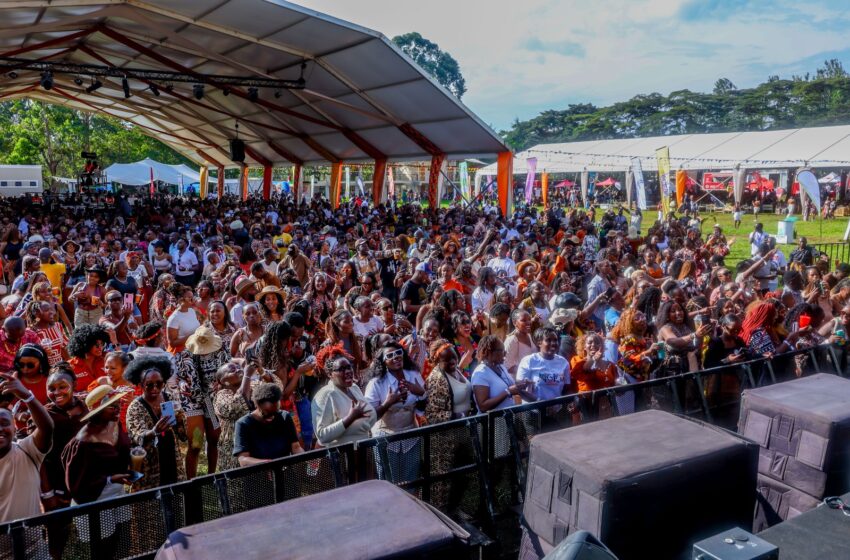
The rapid expansion of experiential tourism and regional events has turned the creative economy into a major economic driver. High-profile gatherings that combine ethnic heritage with modern performance art attract thousands of affluent young consumers. These festivals generate significant short-term cash flow for local hospitality vendors, ticketing platforms, and transport providers.
Scaling a niche cultural gathering into a mass-market commercial product introduces deep operational vulnerabilities. The transition from an intimate community circle to an open-air mass assembly often stretches independent production frameworks past their breaking point. When demand grows faster than infrastructure, organizers face severe logistical bottlenecks that put customer safety and brand equity at risk.
Read Also: Top Comoros Official Hospitalized in Nairobi Amid Rising Tensions in Moroni
The commercialization of cultural properties requires a delicate balance between authentic community engagement and corporate execution standards. Local promoters frequently underestimate the secondary infrastructure costs needed to support massive attendance spikes in peri-urban areas. Revenue generation from ticket sales must be aggressively balanced against heavy capital expenditure in physical site management.
Investment in safety personnel, perimeter reinforcement, and sanitary amenities represents a foundational requirement for sustainable brand growth. Neglecting these core operational elements to maximize immediate profit margins creates systemic vulnerabilities that threaten the longevity of the entire event franchise. Modern consumers demand high-end logistics to match premium ticket pricing tiers.
Logistical Bottlenecks in Mass Assembly Operations
| Operational Pillar | Baseline Standard for Mass Assembly | Observed Vulnerability in High-Density Events | Long-Term Commercial Impact |
| Access Control | Multi-tier digital accreditation and physical perimeter barriers | Unchecked entry corridors leading to gate-crashing and inflation of capacity | Immediate loss of ticketing revenue and severe inflation of inside liability |
| Crowd Dynamics | Pre-calculated square footage per attendee with dedicated transit lanes | High congestion zones that block internal movement and emergency exit access | Heightened risk of crowd surges and structural venue damage |
| Asset Security | Visible multi-layered deployment of private guards and local police | Intermittent surveillance creating operational gaps for pickpocket syndicates | Rapid erosion of consumer trust and increased insurance premiums |
| Talent Procurement | Structured performance tiers featuring premium regional headliners | Minimal headline curation leading to a disconnect in consumer value perception | Reduced ticket yield and programmatic decline in future ticket demand |
Managing Security and Access Risks at Public Venues
Unchecked crowd density presents a clear threat to operational safety at outdoor festivals. Venues in peripheral urban locations like Limuru offer great scenic value but face structural limitations regarding access roads and perimeter security. When an event experiences sudden popularity, traditional fencing and standard ticketing checkpoints easily fail under heavy crowd pressure.
Perimeter breaches lead directly to unaccredited crowd inflows, which quickly trigger internal density spikes and subsequent security grid failures. This structural breakdown creates space for opportunistic crime syndicates. Dense, uncoordinated crowds make it easy for pickpockets to target valuable consumer electronics like smartphones.
Private security teams lack the capacity to handle large crowds when physical checkpoints are completely bypassed. Proper identification tracking represents the primary defense against unauthorized site occupation. This breakdown exposes paying attendees to physical risks and asset theft, which rapidly destroys the premium reputation of the host organization.
Effective perimeter defense requires multi-tiered fencing designs that redirect crowd flow away from single bottlenecks. Ticket validation zones must be positioned several hundred meters outside the main event perimeter to filter out non-paying crowds early. Failing to implement these distance buffers guarantees chaotic gate conditions during peak arrival hours.
Curation Strategies and Consumer Value Trajectories
Modern event monetization depends on a clear alignment between ticket pricing and performance value. Today’s youth consumers are data-driven and quick to analyze what they get for their money. They expect premium lineups that match the cultural importance of the event.
Decreased programming budgets cause the overall entertainment experience to suffer significantly. Relying purely on natural crowd energy rather than high-profile artists breaks the unwritten agreement between the organizer and the ticket buyer.
This issue becomes even more apparent when previous editions established a benchmark for high-quality production. If an event series fails to maintain its booking standards, it risks losing its core audience. In a highly competitive digital landscape, consumer sentiment can shift overnight, transforming a popular cultural movement into a cautionary case study on brand over-extension.
Entertainment value relies on smooth transitions between performances, professional sound engineering, and engaging stage presentation. Substandard technical production alienates brand sponsors who require high-quality environments to display their products. Cultivating corporate partnerships becomes nearly impossible when live execution feels uncoordinated or cheap.
Satisfied audiences act as primary brand ambassadors through organic user-generated content across digital platforms. Negative experiences trigger immediate digital backlash that permanently damages future ticket pre-sales. Organizers must view artist booking and production value as long-term customer acquisition investments rather than simple line-item expenses.
Read Also: Rio Ferdinand To Open International Doors For Arusha Through AFCON 2027
Regulatory Frameworks and Future Event Management in Kenya
The growth of independent festivals requires a more rigorous approach to compliance and local regulation. Future expansion depends on adopting strict safety guidelines that mirror international entertainment standards. Organizers must look past short-term ticket sales and prioritize building long-term operational resilience.
Insurance and Financial Risk Mitigation
Large-scale events must secure comprehensive public liability insurance to protect against crowd incidents, property loss, and unexpected cancellations. Moving forward, county governments may require proof of major asset protection policies before issuing performance permits. Financial safety nets allow promoters to absorb operational shocks without facing immediate corporate bankruptcy.
Risk assessment protocols should be conducted by independent safety auditors prior to site opening. Legal liabilities multiply exponentially when local compliance checklists are treated as optional suggestions. Protecting the consumer base remains the single most effective strategy for preserving the financial integrity of the live entertainment sector.
Smart Crowd Technology Integration
Integrating modern event technology can solve common crowd bottlenecks. Using real-time heat maps, automated turnstiles, and RFID-enabled wristbands allows management to track internal movement and prevent over-capacity situations before they happen. Digital tracking tools provide invaluable post-event data analytics to optimize future site designs.
Cashless payment ecosystems eliminate physical currency handling, reducing internal theft and speeding up transaction times at vending stalls. This technological shift shortens queue lines and maximizes retail revenue for food and beverage partners. Modern infrastructure upgrades protect consumer assets while smoothing out overall operational flow.

