
Ahmed Ibrahim Fakhri Faces Defining Test as Shabana Bet on Modern Football Thinking
- Sports
Festus Chuma
- July 3, 2026
- 0
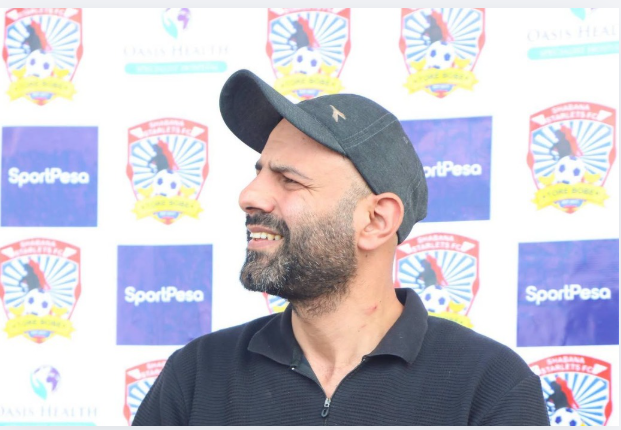
Ahmed Ibrahim Fakhri walked into Nyayo Stadium on Thursday afternoon as Shabana’s newest head coach, but the significance of his appointment goes well beyond the ceremony.
By turning to an Egyptian tactician with experience across North Africa, Europe and Asia, the Glamour Boys have made one of the boldest coaching decisions in their history, one that will ultimately be judged not by the applause at his unveiling, but by whether his ideas can transform promise into sustained success.
Supporters already know the club has chosen its first foreign coach. The bigger question is why the club looked beyond Kenya for its next manager and whether Fakhri’s football philosophy is the missing piece in Shabana’s ambition to become genuine FKF Premier League title contenders.
His appointment is not simply a change in personnel. It is a statement about the direction Shabana want to take as football across Africa becomes increasingly driven by tactical preparation, performance analysis and long-term planning rather than individual brilliance alone.
Why Shabana Chose a Different Path
Shabana’s fifth-place finish last season showed a club on the rise.
The Glamour Boys collected 52 points, defeated some of the league’s biggest teams and briefly entered conversations about a possible title challenge. Yet they also dropped valuable points in matches where consistency mattered most.
Those fluctuations exposed an important reality. Competing for championships requires more than passion and talent. It demands structure, tactical discipline and the ability to perform over 34 matches rather than in isolated moments.
That appears to be where Fakhri fits into Shabana’s long-term vision.
Instead of appointing another coach already familiar with the local league, the club opted for someone whose career has largely been built inside highly structured football environments.
Ahmed Ibrahim Fakhri Built His Reputation Behind the Scenes
Unlike many coaches who become household names through long managerial careers, Fakhri developed his expertise by serving as an assistant under experienced managers in Egypt’s Premier League.
That journey may not generate headlines, but it often provides a broader education.
Working at clubs such as Ismaily, El Gouna, National Bank of Egypt, El Dakhleya and Ghazl El Mahalla exposed him to different tactical systems, dressing-room dynamics and match preparation processes.
Rather than leading one philosophy, he spent years observing several.
For young coaches, that experience can become a significant advantage because it allows them to adapt instead of relying on a single style of play.
Egyptian Football Produces Coaches With Tactical Foundations

Egypt remains one of Africa’s strongest football ecosystems.
Its domestic league is known for tactical organization, demanding supporters and clubs that operate under constant pressure to deliver results.
Coaches working in that environment often become comfortable with detailed opposition analysis, defensive organization and structured training sessions.
Those qualities explain why Egyptian coaches continue to receive opportunities across the continent.
For Shabana, appointing Fakhri was not simply about hiring a foreign coach. It was about bringing in someone shaped by one of Africa’s most competitive football cultures.
Experience Beyond Egypt Could Become an Advantage
Fakhri’s coaching journey has also taken him beyond North Africa.
His time in Japan introduced him to one of Asia’s most disciplined football environments, where fitness, organization and technical precision form the foundation of player development.
In Spain, he experienced a football culture built around ball retention, positional awareness and technical improvement.
Those experiences exposed him to contrasting philosophies that few coaches working in Kenyan football have encountered.
While every league has unique challenges, exposure to different football cultures often broadens a coach’s tactical flexibility.
Read: Why Gor Mahia Biggest Victory Before CAF Champions League May Have Happened Off Pitch
Ahmed Ibrahim Fakhri’s Coaching Journey
| Country | Club | Role | Key Lessons |
|---|---|---|---|
| Egypt | Ismaily | Assistant Coach | Tactical preparation |
| Egypt | El Gouna | Assistant Coach | Player development |
| Egypt | National Bank of Egypt | Assistant Coach | Premier League competition |
| Japan | FC Osaka | Assistant Coach | High-intensity organization |
| Spain | Malaga C | Head Coach | Technical football |
| Ghana | Swedru All Blacks | Head Coach | Leadership under pressure |
| Kenya | Shabana FC | Head Coach | Current challenge |
Ghana Offered Difficult Lessons Rather Than Defining Failure
Every coaching career includes setbacks.
Fakhri’s spell with Ghana Premier League side Swedru All Blacks ended earlier than many expected, but reducing that experience to wins and losses ignores the complexity of managing a newly promoted club.
Limited resources, high expectations and the pressure of immediate results create one of football’s toughest environments.
History shows many respected coaches endured challenging early managerial experiences before succeeding elsewhere.
For Fakhri, Ghana was less about failure than learning how to lead under pressure, make difficult decisions and adapt quickly when results fail to follow preparation.
Those lessons could prove valuable in Kenya.
Modern Football Is No Longer Guided by Instinct Alone
Football coaching has changed dramatically over the past decade.
Elite clubs increasingly rely on video analysis, performance data and sports science to improve decision-making.
Recruitment departments now evaluate passing efficiency, pressing intensity, expected goals and physical output alongside traditional scouting.
Reports from previous clubs suggest Fakhri values analytical preparation and structured planning.
If those methods become embedded at Shabana, they could influence not only first-team performances but also recruitment and player development.
Three Areas Supporters Should Watch
Rather than focusing only on results, fans should observe whether the team’s overall identity begins to change.
| Area | Why It Matters |
|---|---|
| Defensive organization | Better positioning reduces avoidable goals. |
| Midfield structure | Improved control often leads to more consistent performances. |
| Player development | Young players benefit from structured coaching methods. |
These changes often appear before dramatic improvements in league standings.
The Biggest Challenge May Not Be Tactical
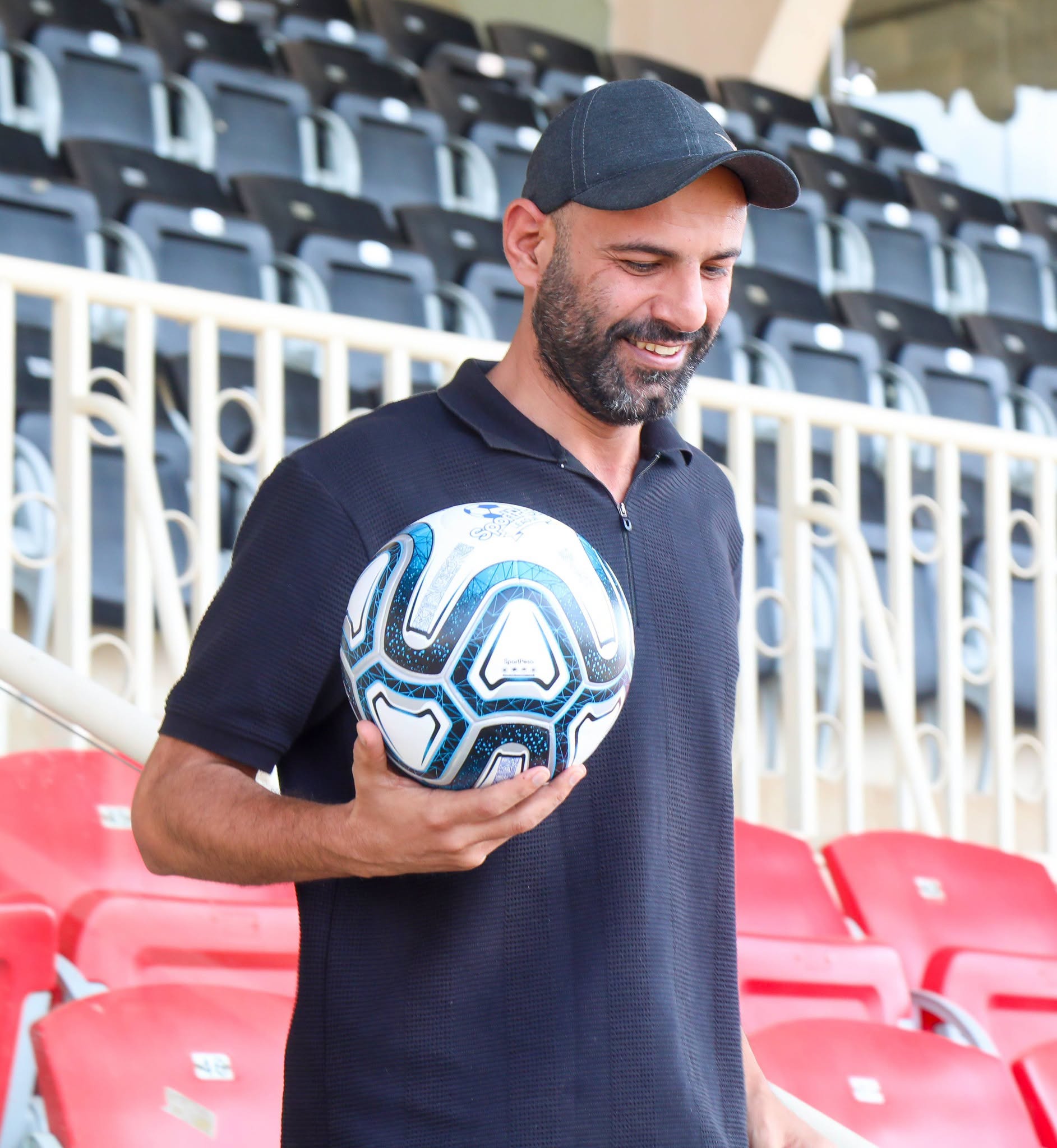
Success in Kenyan football requires more than coaching knowledge.
Travel demands, changing playing surfaces, passionate supporters and financial realities create challenges that every foreign coach must understand.
Equally important is adapting to local football culture.
Every league has its own rhythm, physical demands and dressing-room dynamics.
The coaches who succeed are usually those willing to adjust their philosophy without abandoning their principles.
Fakhri’s ability to blend his tactical ideas with the strengths of Kenyan players may ultimately determine whether his project succeeds.
Can Shabana Become Genuine Title Contenders?
There is little doubt Shabana have narrowed the gap on Kenya’s traditional football powers.
The next step is sustaining that progress across an entire season.
That requires consistency against lower-ranked teams as much as impressive performances against title rivals.
Improved squad management, better game control and tactical flexibility could make the difference between another respectable finish and a genuine championship challenge.
Those are precisely the areas where the club hopes Fakhri’s experience will have the greatest impact.
Comparing Shabana’s Next Step
| Last Season | What Must Improve |
|---|---|
| Strong performances against top clubs | Greater consistency against every opponent |
| Fifth-place finish | Push into the top three |
| Competitive squad | Better tactical balance |
| Passionate support | Convert home advantage into more points |
A Long-Term Project Rather Than a Quick Fix
Shabana’s decision to appoint Ahmed Ibrahim Fakhri should not be judged after a handful of matches.
His appointment represents an investment in a different football philosophy—one built on preparation, tactical structure and continuous improvement rather than short-term reactions.
Whether that approach delivers trophies will depend on many factors, including recruitment, player commitment and patience from supporters.
What is already clear, however, is that Shabana are attempting something different.
In an increasingly competitive FKF Premier League, standing still is rarely enough. By placing their faith in a coach shaped by football cultures in Egypt, Japan, Spain and Ghana, the Glamour Boys have signaled that they are thinking beyond immediate results and toward building a sustainable football identity.
The real story, therefore, is no longer that Ahmed Ibrahim Fakhri has arrived in Kisii. It is whether his ideas can transform one of Kenya’s most passionately supported clubs into a team capable of competing for silverware year after year.

