
Matatu Strike Enters Day Two as PSV Operators Reject Sh8 Government Fuel Offer

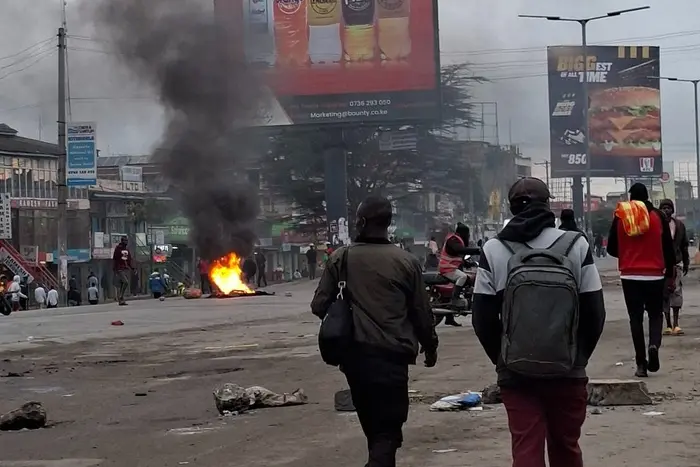
Thousands of commuters across Kenya faced another day of transport disruption on Tuesday because the nationwide Public Service Vehicle (PSV) strike entered its second day over rising fuel prices.
Industrial action paralyzed movement in major urban centers, turning once-clogged arteries into eerie, open stretches of tarmac. The absence of the ubiquitous matatu left a void felt in every sector of the economy.
Major highways and roads usually packed with traffic appeared unusually empty since many matatus and buses stayed off the roads. In Nairobi, sections of the busy Thika Superhighway recorded light traffic flow, a rare scene on one of the country’s busiest roads. Private motorists found the commute swift, but the majority of the workforce experienced a day defined by exhaustion and uncertainty.
Large stretches of the highway remained clear for hours because some commuters struggled to find transport. Desperation led to chaotic scenes at various pick-up points where the few available non-compliant vehicles were swamped by crowds. Passengers walked long distances after failing to secure transport, and many arrived at their workplaces hours late or gave up on the journey entirely.
Growing frustration among PSV operators over the sharp increase in fuel prices fueled the strike. Business operations became difficult. Operators argued that the rising cost of diesel and petrol significantly reduced profits and pushed many transport owners into losses.
“We have not agreed on anything. The government, through the Ministry of Energy, can look for the Sh45 we are losing. We are already servicing loans and still cannot pay for some services. The matatu strike will continue until we get a solution,” said Matatu Owners Association (MOA) President Albert Karakacha.
Why Did the Overnight Negotiations Collapse?
Karakacha’s stance reflects a deepening rift between the transport sector and the state. Talks collapsed despite overnight negotiations aimed at breaking the stalemate. The nation remains in a state of limbo. The MOA president highlighted the severity of the situation, noting that the industry bleeds money at an unsustainable rate. “Today, we have incurred losses of over Sh500 million, and we are willing to continue the strike until fuel prices are reduced,” he added.
Government attempts to pacify the operators have so far fallen flat. According to Rig Owners Association chair Cornelius Chepsoi, stakeholders flatly rejected a proposal to reduce fuel prices by Sh8. Chepsoi emphasized that the Sh8 concession was a drop in the ocean compared to the Sh46 increase introduced in the latest pricing cycle.
“The minister came back with an offer from the state of Sh8 and something which our members refused. The original proposal is that they take out the entire Sh46 that they increased in the last cycle,” Chepsoi stated as per The Star.
Is There a Solution in Sight for Stranded Kenyans?
The strike stretches into another day, and the sight of unusually empty highways has become a powerful symbol of the growing pressure high fuel prices place on everyday life. Both sides stand their ground, and the resilience of the Kenyan commuter faces an absolute limit. Stakeholders and government representatives failed to reach a consensus and instead agreed to suspend discussions temporarily to allow further consultations.
Chepsoi said one of the proposals tabled by stakeholders was for the government to use funds from the petroleum levy to cushion consumers against the sharp rise in diesel prices. “One of the solutions was to use the petroleum levy, as per government statistics, which they have Sh5 billion. We agreed to rescue the diesel because most people are affected by the diesel.”
Under the new review, diesel prices in Nairobi will decrease by Sh10.06 per litre. Kerosene prices will increase significantly by Sh38.60 per litre. Super petrol prices remain unchanged in the latest adjustment. Motorists and public transport operators express deep concern over the cost of living and transport expenses.