Match Fixers Face Tougher Penalties as Sports Bill Clears Second Reading

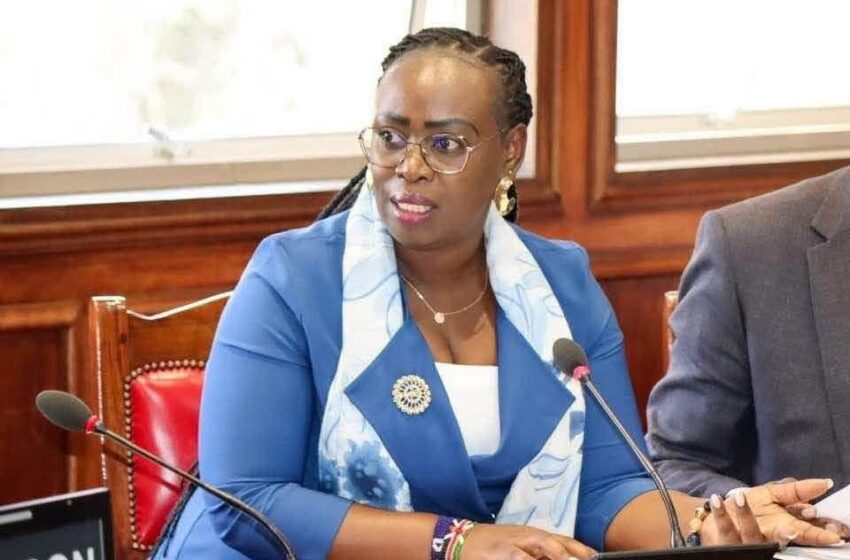
Nominated MP Irene Mayaka
If passed into law, a new Sports (Amendment) Bill, 2026, could significantly tighten Kenya’s legal framework for dealing with match-fixing and other forms of competition manipulation.
The Bill, sponsored by Nominated MP Irene Mayaka, passed its Second Reading in the National Assembly, bringing the proposed changes a step closer to becoming part of Kenya’s sports laws.
The proposed legislation seeks to amend the Sports Act by establishing a clearer framework for defining, investigating and punishing conduct that undermines the integrity of sporting competitions.
Under the proposed amendments, competition manipulation would cover several forms of misconduct, including bribery, fixing match results, deliberately underperforming and using confidential information obtained through a position within sport for betting purposes.
The Bill would also criminalise the use of threats, intimidation or coercion intended to influence the outcome of a sporting event, expanding the legal scope beyond traditional match-fixing arrangements.
Sports Kenya Set for Greater Investigative Role
If enacted, the proposed law would give Sports Kenya an expanded role in handling complaints and investigations involving suspected competition manipulation.
Sports Kenya would be empowered to receive complaints and coordinate investigations into allegations of match-fixing and related offences, working with other relevant agencies where necessary.
The Bill proposes a six-month deadline for investigations, meaning cases would have to be concluded within that period. The provision is intended to prevent investigations from remaining unresolved for prolonged periods while ensuring that allegations are subjected to a formal process.
The proposed legislation also introduces a specific offence under Section 64A of the Sports Act. A person found guilty could face imprisonment for up to one year, a fine of up to KSh1 million, or both.
The penalties would create a direct criminal consequence for individuals involved in attempts to manipulate sporting competitions, while also complementing disciplinary measures that may be imposed by sports authorities.
The proposed changes recognise that match-fixing can involve more than the person directly influencing the result of a contest. Athletes, officials, clubs, administrators and other individuals connected to sporting competitions could potentially face consequences depending on their involvement in prohibited conduct.
The Bill further provides for sporting sanctions against parties found responsible for manipulation. These could include forfeiture of matches, exclusion from competitions and other disciplinary measures.
In the most serious cases, those found culpable could face lifetime bans from sporting activities. Authorities could also seek to recover financial benefits obtained through the manipulation of a competition.
The proposed recovery of financial gains is aimed at ensuring that individuals involved in manipulation do not retain proceeds obtained through their alleged misconduct.
Parliament Moves to Strengthen Sports Integrity
The Bill also sets out a mechanism for challenging decisions made by Sports Kenya. Parties dissatisfied with determinations would have an avenue to appeal before the Sports Disputes Tribunal.
The appeal mechanism would provide an additional layer of oversight in cases where athletes, clubs or other parties contest decisions arising from investigations into competition manipulation.
Mwingi West MP Charles Nguna, a member of the National Assembly’s Departmental Committee on Sports and Culture, seconded the Bill during proceedings in the House.
The legislation subsequently received broad support from lawmakers during the Second Reading debate, allowing it to proceed to the next stage of the parliamentary process.
The Bill will now move to the Committee of the Whole House, where Members of Parliament will scrutinise its provisions clause by clause.
At that stage, lawmakers will have an opportunity to debate individual sections of the proposed legislation and consider amendments before the Bill returns to the House for its Third Reading.
The Third Reading will provide the final opportunity for MPs to debate the Bill before a vote is taken on whether it should proceed through the remaining stages of the legislative process.
Should the Bill secure approval in Parliament, it would then be presented to President William Ruto for assent. It would become law once the constitutional requirements for enactment have been completed.
The proposed legislation comes amid continued concern within Kenya’s sporting community over the integrity of competitions and the threat posed by match-fixing.
Match manipulation can undermine confidence in sporting events by creating doubts over whether results are determined by genuine competition. It can also expose athletes, clubs and other participants to financial and reputational risks.
Stakeholders in the sports sector have repeatedly called for stronger safeguards to protect competitions from practices that could compromise their credibility.
The proposed amendments seek to respond to those concerns by combining criminal penalties with sporting sanctions. This would allow misconduct to attract consequences under both the legal and sporting systems.
The involvement of Sports Kenya in receiving complaints and conducting investigations would also create a more defined institutional pathway for handling allegations.
At present, concerns surrounding competition manipulation can involve multiple actors and institutions, particularly where suspected misconduct intersects with betting, financial transactions or disciplinary matters.
The proposed six-month investigation period could therefore become an important feature of the new framework, particularly if it helps authorities process cases within a defined timeframe.
The legislation also places greater emphasis on protecting the wider sporting environment rather than focusing solely on individual matches. By covering bribery, deliberate underperformance, insider information, threats and coercion, the proposed amendments seek to address different ways in which sporting outcomes could be influenced.
The potential for lifetime sporting bans and recovery of financial gains would add further weight to the proposed sanctions, particularly for participants whose careers or financial interests are tied to sporting competitions.
Kenyan football has already experienced several high-profile cases involving match manipulation. In 2021, FIFA expelled Zoo FC from the Kenyan Premier League after finding the club guilty of involvement in match manipulation. The global football governing body had also sanctioned four Kenya-based players in 2020 over their involvement in an international match-fixing scheme, with one receiving a lifetime ban.
In another case, FIFA found Muhoroni Youth guilty of activities related to the manipulation of football matches and competitions in 2025. The club was subsequently expelled from the National Super League and relegated to the third tier of Kenyan football.
The Bill still has several parliamentary stages to navigate before it can become law. Its provisions could also be amended during consideration by the Committee of the Whole House and subsequent debate.
The Second Reading, however, represents a significant step for the proposed legislation and signals Parliament’s willingness to consider tougher measures against practices that threaten the credibility of Kenyan sport.
If lawmakers approve the Bill in its final form and it receives presidential assent, Kenya would have a more explicit statutory framework for dealing with match-fixing and competition manipulation.
The proposed changes would place greater responsibility on authorities to investigate allegations while exposing those found guilty to both criminal and sporting consequences.