
Opposition Leaders Western Kenya Tour Reshapes Regional Coalition Frameworks

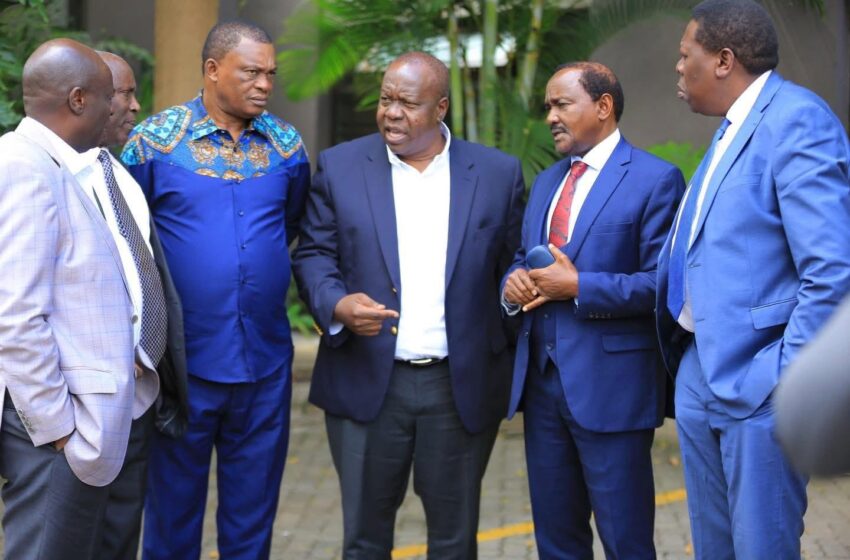
Kenya’s political landscape is entering a new phase of coalition building as a group of opposition leaders prepares for a coordinated outreach tour in the Western region. The three-day engagement is designed to strengthen grassroots connections and test political support ahead of future alliances.
The delegation brings together influential figures from across the opposition spectrum, signaling early groundwork for possible electoral cooperation and regional influence mapping.
The tour is expected to focus on public engagement, local consultations, and political messaging targeted at communities in Western Kenya.
Also Read: Rio Ferdinand To Open International Doors For Arusha Through AFCON 2027
Why United Opposition Western tour matters in Kenya politics
Western Kenya has historically played a decisive role in national elections. High population density, active political participation, and strong party affiliations make the region a key battleground.
Political analysts often describe the area as a “swing influence zone” due to shifting voter alliances across election cycles.
This latest tour signals renewed attention to grassroots mobilization rather than elite-level negotiations alone.
Key opposition leaders joining Western Kenya political tour
The delegation includes senior political figures with national influence and regional networks.
Major political figures expected in the tour
| Leader | Political Role | Influence Region |
|---|---|---|
| Eugene Wamalwa | DAP-K leader | Western Kenya |
| Rigathi Gachagua | DCP leader | Mt Kenya bloc |
| Kalonzo Musyoka | Wiper Party leader | Eastern Kenya |
| Martha Karua | PLP leader | National reform base |
| Fred Matiang’i | Former Interior CS | National administration network |
| George Natembeya | Trans Nzoia Governor | Western Kenya |
| Cleophas Malala | Political mobilizer | Youth and Western base |
Supporting Members of Parliament are also expected to join, expanding the tour’s reach into constituency-level politics.
Western Kenya political tour itinerary and strategy breakdown
The three-day schedule reflects a structured attempt to cover both rural and urban political zones.
Day 1 grassroots engagement strategy
The tour begins in Luanda, followed by visits to smaller trading centers and community stops.
This approach focuses on:
- Direct voter interaction
- Local leadership meetings
- Informal political discussions
Early engagements are designed to build trust before large public rallies begin.
Day 2 media and rally political messaging
The second day shifts toward higher visibility activities including a media briefing and public rallies.
Stops include major towns and commercial centers where economic issues dominate voter concerns.
Key themes expected during this stage:
- Cost of living
- Youth unemployment
- Regional development inequality
Media engagement is critical for shaping national perception of the coalition.
Day 3 consolidation and regional influence mapping
The final day moves through additional constituencies before concluding in Kitale town.
This stage focuses on:
- Strengthening local networks
- Consolidating support structures
- Measuring political reception on the ground
Kitale serves as a symbolic endpoint due to its political importance in Trans Nzoia County.
Why Western Kenya is central to opposition political strategy
Western Kenya remains a politically active region with strong civic participation. Its voting patterns often influence national outcomes.
Key factors shaping its importance include:
- Large youth population
- Strong agricultural economy
- Dense urban trading centers
- Active civil society engagement
These factors make the region a priority for coalition building.
Political implications of United Opposition Western Kenya tour
The coordinated appearance of multiple opposition leaders signals early alignment discussions.
However, political analysts suggest the real goal is not immediate unity but:
- Testing regional popularity
- Identifying voter concerns
- Building shared messaging frameworks
Such tours often act as groundwork for broader coalition negotiations.
Also Read: Top Comoros Official Hospitalized in Nairobi Amid Rising Tensions in Moroni
Comparison of political outreach approaches
| Strategy Type | Focus | Strength | Limitation |
|---|---|---|---|
| Grassroots tours | Voter engagement | Strong local trust | Time intensive |
| Media campaigns | National visibility | Fast reach | Low depth |
| Coalition summits | Elite negotiation | Policy alignment | Weak voter connection |
The current Western Kenya tour combines grassroots and media strategies for balanced impact.
The United Opposition Western Kenya tour reflects early-stage coalition positioning, focusing more on voter connection than formal political agreements.
What this means for Kenyan politics
This kind of outreach signals a shift toward ground-level political preparation rather than purely parliamentary negotiations. Western Kenya is likely to remain a key influence zone heading into future elections.
If sustained, such tours can reshape regional alliances and redefine opposition coordination strategies.