
Private School Teachers and Hidden Reality of Professional Burnout

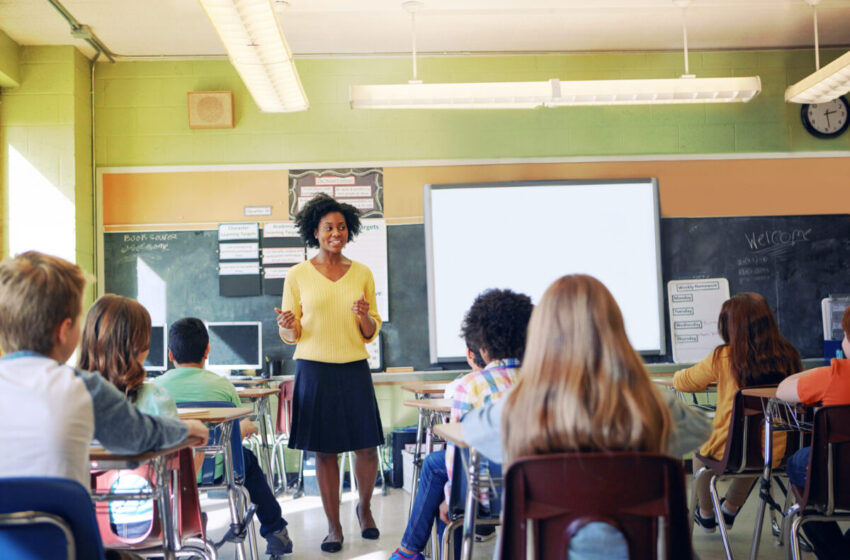
Private Schools often project an image of absolute excellence, characterized by immaculate uniforms, sprawling infrastructure, and impressive academic results. Many parents and the public view these institutions as symbols of discipline and opportunity. Ignored entirely remains the reality of the struggles facing the teachers who sustain this success. High-pressure environments frequently require a level of performance that ignores the basic human needs of the individuals standing at the front of the classroom.
The Invisible Burdens of the Classroom
Thousands of educators walk into classrooms each day carrying heavy, invisible burdens. Exceptional results are demanded of them while they grapple with deep-seated financial uncertainty, significant emotional strain, and persistent professional insecurity. Management teams often push for perfection, yet fail to provide the foundational support necessary for teachers to maintain their physical and mental health.
Read Also: Rio Ferdinand To Open International Doors For Arusha Through AFCON 2027
Financial Instability and the Patience Trap
Delayed or inconsistent salary payments represent one of the most systemic challenges in the private education sector. Teachers are frequently asked to be patient as they wait for compensation for work already completed. Financial instability forces educators to navigate lives surrounded by constant uncertainty.
Rent, medical emergencies, and school fees for their own children do not wait for a school’s cash flow to improve. Met with unmet obligations, the dignity and morale of the teaching staff gradually erode. Systemic disregard for timely payment sends a troubling, unspoken message about how highly the institution truly values its human capital. Many teachers find themselves trapped in a cycle of debt, unable to plan for the future or provide for their families because their primary source of income is treated as a secondary priority by school administrators.
Workload Intensity and the Myth of Exceptional Performance
Beyond financial precariousness, the workload in many private schools remains immense. Frequent expectations require teachers to be mentors, administrative clerks, and extracurricular supervisors simultaneously.
| Responsibility Area | Daily/Weekly Expectation | Hidden Toll |
| Academic Prep | Lesson planning and extensive marking | Weekend and evening burnout |
| Remedial Duties | Mandatory evening and weekend classes | Zero work-life balance |
| Administration | Constant reporting and target tracking | Diminished focus on actual teaching |
| Parental Relations | 24/7 availability for queries | High emotional exhaustion |
Expectations extend well into evenings and weekends, leaving virtually no room for personal well-being or necessary rest. Institutional recognition is often tied solely to raw examination results, completely overlooking the consistent, daily effort invested throughout the academic journey. Teachers report feeling like mere cogs in a machine, measured only by the grades their students achieve, rather than the developmental support they provide.
The Emotional and Psychological Toll
Internal culture within some private schools further intensifies these challenges. Staff meetings should serve as platforms for collaboration, mentorship, and professional growth. Too often, however, they become forums for high-pressure criticism.
Teachers are frequently reminded of targets and institutional shortcomings in ways that stifle open dialogue and foster fear rather than teamwork. Chronic professional burnout develops over time as educators continue to perform mechanical duties with fading passion and enthusiasm. This emotional withdrawal is a defense mechanism; it allows the teacher to survive the daily environment, but it ultimately destroys the vibrant, creative classroom experience that private schools promise to provide.
Culture of Silence and Job Insecurity
Job insecurity acts as a primary catalyst for psychological strain. Many teachers in the private sector operate under short-term contracts or informal verbal agreements. Constant fear of non-renewal or summary dismissal creates a culture of silence. Educators become afraid to voice legitimate concerns or advocate for better working conditions, fearing professional retaliation.
This fear ensures that even the most dedicated staff members keep their heads down, suppressing their own needs for the sake of survival. The turnover rates in these environments are staggering, leading to a loss of institutional knowledge and a breakdown in the crucial relationship between student and mentor. Parents may see a revolving door of staff, but they rarely see the systemic fear that forces talented individuals to abandon the profession they once loved.
Restoring Dignity to the Teaching Profession
Striking contradictions exist in the private school model: massive capital investment in visible infrastructure while the fundamental welfare of teachers remains neglected. Beautiful buildings, well-manicured lawns, and strong branding may attract fee-paying parents, but the long-term sustainability of any educational institution depends on the health and well-being of its educators.
High staff turnover—driven by burnout and low pay—is not just a human resource issue; it is a direct threat to the quality of learning. Continuity is broken every time a demoralized teacher exits the system, taking their experience and rapport with students with them.
Read Also: Top Comoros Official Hospitalized in Nairobi Amid Rising Tensions in Moroni
A Call for Institutional Reform
Addressing these issues is both a practical and a moral imperative for the private education sector. Schools must implement structural changes to maintain their reputations as centers of excellence:
-
Financial Reliability: Instituting non-negotiable salary disbursement dates to eliminate the patience cycle.
-
Fair Employment: Moving toward standardized, long-term contracts that provide stability and peace of mind.
-
Manageable Workload: Re-evaluating expectations for evening and weekend commitments to allow for genuine rest.
-
Supportive Leadership: Transforming staff meetings from arenas of criticism into spaces for genuine professional development and psychological support.
-
Professional Boundaries: Setting clear expectations for communication between parents and teachers to protect personal time.
Teaching is the backbone of national development. Educators feel better equipped to nurture the minds and futures of their students if they feel valued, secure, and respected. Restoring dignity to the teaching profession in the private sector is not merely about salaries; it is about recognizing that the true infrastructure of a great school is its teachers, who deserve an environment that allows them to thrive.
Sustaining the Future of Education
Real change requires a paradigm shift in how private school owners view their staff. Instead of seeing teachers as interchangeable parts in a profit-driven model, administrators must treat them as the core asset of the institution. This means investing in their mental health, offering competitive benefits, and creating a culture of appreciation.
The current burnout crisis is a wake-up call for the entire sector. If private schools continue to prioritize aesthetics over the well-being of their workforce, they will eventually face a shortage of quality educators. A system that burns through its most valuable resource is fundamentally unsustainable.
Ultimately, the goal of education is to foster growth, curiosity, and critical thinking. These outcomes are impossible to achieve when the people responsible for delivering them are struggling to stay afloat. Private institutions have the resources to change, but they must find the political and ethical will to prioritize their teachers. The true measure of a school’s success is not just its rankings on an examination league table, but the health, happiness, and longevity of the professionals who dedicate their lives to its mission. Dignity, security, and fair treatment are not luxuries in this profession—they are the essential ingredients of quality education.