Ruth Odinga Nyanza Political Landscape Evolving Regional Power Dynamics

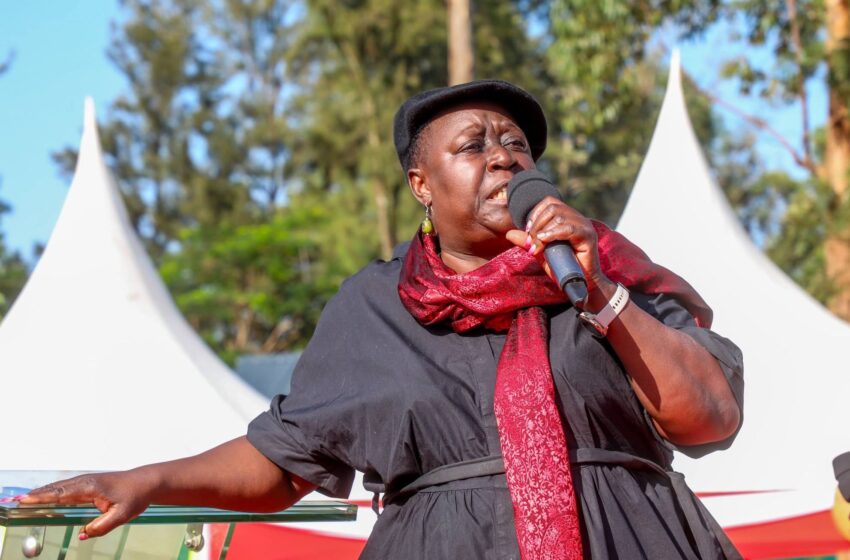
Ruth Odinga remains a pivotal figure in the complex political tapestry of Nyanza, a region where historical loyalties, evolving leadership structures, and shifting alliances continue to shape the broader political conversation.
Nyanza is navigating what is widely viewed as a transformative post-Raila era, with attention increasingly turning to how influence is being redistributed among emerging actors and established political families, each seeking to assert relevance in a rapidly changing environment.
The intersection of dynastic influence, democratic struggle, and the persistent shadow of organized political intimidation continues to define much of the regional discourse, raising deeper questions about the nature of political competition and democratic consolidation in the area.
Understanding Political Coercion in Nyanza
Nyanza has historically been a bastion of opposition politics, characterized by ideological mobilization and community solidarity. Recent political activities suggest a worrying departure from these traditions. Organized youth groups are now frequently deployed to disrupt rallies, block transport routes, and intimidate political rivals.
These groups do not operate in a vacuum. Analysts argue that their emergence is a direct consequence of intense competition for regional influence among various political factions. While these disruptions are often presented as spontaneous outbursts of public anger, evidence points toward sophisticated, elite-sponsored enterprises. Political patronage sustains these networks, turning once-peaceful democratic forums into arenas of physical confrontation.
Read Also: ‘Mwenye Ulianza Naye Life…— Ruth Odinga Sparks Laughter at Mama Teresa Nyaboke Burial
Ruth Odinga and the Call for Party Integrity
Ruth Odinga has taken a vocal stand against the internal maneuverings threatening to fracture the ODM party. Her public defense of officials like Edwin Sifuna indicates a desire to protect the party’s institutional framework from external capture. By challenging the decisions of the party’s executive summit, she is positioning herself as a guardian of the democratic principles that defined her family’s legacy.
Leaders of her caliber carry significant weight in the regional power struggle. Her willingness to confront the status quo provides a rallying point for those frustrated by the monetization and tribalization of local politics. Defiance against perceived irregularities is not just a tactical political move; it is a fundamental challenge to the “iron-fist” culture that sometimes enables the weaponization of hired youth.
Comparing Regional Political Participation Models
|
Metric |
Traditional Dynastic Politics |
Modern Activist-Led Model |
Emerging Youth-Centric Movement |
|
Mobilization |
Top-down patronage |
Ideological engagement |
Digital and grassroots organizing |
|
Dispute Resolution |
Party hierarchy directives |
Legal and public forum debate |
Direct community action |
|
Primary Influence |
Established family legacy |
Policy and performance records |
Social justice and accountability |
The Economic Cost of Organized Intimidation
Organized violence inflicts a heavy toll on the Nyanza economy. Investors are inherently risk-averse, and reports of blocked roads or stormed businesses create a perception of instability that discourages local and foreign development. Business owners in major urban centers like Kisumu often bear the brunt of these political disruptions. Property damage, halted trade, and the climate of fear created by street-level enforcers directly hinder the region’s economic progress.
Recruitment into these groups is largely fueled by the high rate of youth unemployment. When political elites offer small, transactional rewards for participation in chaos, they effectively turn the regional youth bulge—an economic asset—into a political liability. This cycle of dependency traps young people in a loop of short-term survival, preventing them from engaging in sustainable vocational paths or meaningful civic participation.
Structural Realignment in a Post-Raila Era
Political influence in Nyanza is undergoing a radical redistribution. Treasury Cabinet Secretary John Mbadi and other regional leaders are stepping into the power vacuum, each attempting to define the post-Raila direction. Coalitions are being forged and broken as players position themselves for the 2027 election cycle.
The struggle for the “Nyanza kingpin” title has introduced a new layer of friction. Political zoning and the push for total loyalty have created an environment where dissenting voices are frequently targeted. Leaders like Ruth Odinga are navigating this landscape by advocating for a return to party discipline and policy-based debates. Their success in steering the ODM through these waters will likely determine whether the movement remains a unified force or fractures into competing regional fiefdoms.
Rebuilding Democratic Norms Through Accountability
Dismantling the infrastructure of intimidation requires more than just rhetoric. Urgent structural reforms are necessary to restore public trust and ensure the integrity of the 2027 elections.
- Elite Accountability: Sponsors of disruptive groups must face legal consequences. Breaking the link between politicians and the perpetrators of violence is essential for deterrence.
- Economic Empowerment: Meaningful alternatives to “goonism” must be created through state-backed employment programs and vocational training. Vulnerable youth are less likely to be manipulated when they have steady income and clear career prospects.
- Neutral Electoral Security: The National Police Service must prioritize the impartiality of their operations. Protection of the democratic process should be the primary objective, free from the influence of political directives.
Strategic Implications for 2027
The upcoming election represents a litmus test for Nyanza’s democratic maturity. Voters are increasingly vocal about the need for issue-based politics rather than personality-driven slogans. If the current trend of political coercion continues, the region risks political isolation and diminished influence in national governance.
Candidates who prioritize inclusive, transparent, and non-violent campaigns are likely to resonate with a demographic that is tired of the status quo. The influence of leaders like Ruth Odinga remains vital here. By consistently centering her messaging on party accountability and democratic norms, she helps maintain a link between the region’s historical struggles and the requirements of modern governance.
Navigating the Challenges of Party Discipline
Party discipline is currently a point of intense debate within the ODM. The tension between supporting national coalition agreements and maintaining a strong opposition stance has left local leaders divided. Oburu Oginga and other veterans have often emphasized stability, while others demand a more aggressive push against government policies.
Read Also: Top Comoros Official Hospitalized in Nairobi Amid Rising Tensions in Moroni
Internal party wrangles regarding nominations and coalition building often serve as triggers for local violence. Strengthening the ODM’s internal grievance mechanisms is a necessary step to reduce the reliance on “street justice.” Transparent nomination processes would go a long way in calming the anxieties of aspirants who currently feel they have no recourse other than to hire enforcers.
Civic Education and Youth Inclusion
Civic education is perhaps the most underrated tool in the fight against political goonism. The National Council of Churches of Kenya (NCCK) and other stakeholders have rightfully pointed out the erosion of political culture. Providing young people with a clear understanding of their role in the electoral process can act as a natural firewall against manipulation.
Inclusion is also a prerequisite for change. Young people, women, and persons with disabilities are currently marginalized from meaningful decision-making roles within parties. Changing this requires political parties to formalize the inclusion of these groups, moving them from the “frontline of mobilization” to the “frontline of governance.”
The Road to 2027
Nyanza stands at a precarious juncture. The region’s path ahead will be defined by its ability to resolve the tensions between legacy leadership and the demands of a modern, tech-savvy, and restless population. The persistence of “goonism” threatens to undermine these aspirations, but it is not an invincible force.
Effective regional governance requires moving beyond the “politics of the street.” When political actors accept that their power is derived from the service they provide rather than the fear they instill, the cycle of violence will begin to break. The political journey toward 2027 requires that Nyanza’s leadership prioritize national stability and economic development over the preservation of informal enforcement networks.
The region has repeatedly demonstrated its capacity to shape Kenya’s destiny. Whether it does so through the continued use of old, coercive tactics or through a renewed commitment to democratic principles will remain the central question of the next two years. Leaders who choose to empower the electorate through transparency and accountability are the ones who will ultimately define the region’s next chapter. The transition is difficult, but it is necessary for the long-term health of the entire nation.