
Explainer: Kenya Protest Compensation Plan Faces Backlash Over Payout Levels

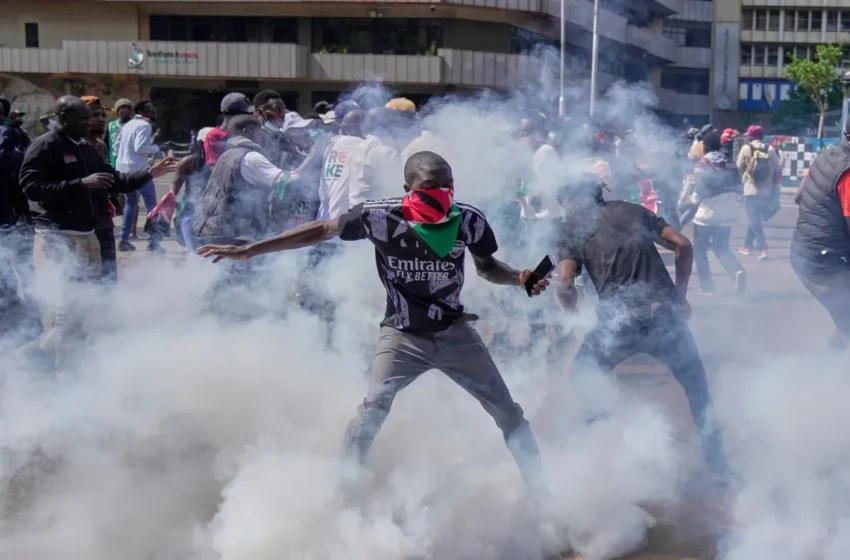
The Kenyan government’s proposed compensation framework for victims of recent Gen Z-led protests has sparked a major public debate, with families rejecting the suggested payouts as too low and calling for a more detailed and fair reparations process.
The plan, developed through the Kenya National Commission on Human Rights (KNCHR), is intended to compensate victims of protest-related violence, including deaths, enforced disappearances, injuries, and unlawful arrests. However, disagreements have emerged over both the compensation amounts and the timeline for implementation.
Also Read: Ngemi Festival 2026: Theme, Venue, Date and Everything You Need to Know
What the government is proposing
Under the current framework, the government has suggested:
- Ksh3 million for families of those killed during the protests
- Ksh2 million for cases of enforced disappearances
The initiative is part of a broader national reparations effort aimed at addressing harm linked to the protests. The government has also allocated approximately Ksh2 billion to support victims across different categories.
Why families are rejecting the plan
Families of victims and survivors say the proposed amounts do not reflect the severity of the harm suffered during the protests.
Speaking during a press briefing on April 22, 2026, representatives of affected families said the compensation structure fails to capture the long-term physical, emotional, and financial impact of the incidents.
One parent, George Obienge, who lost a child during the protests, called for a higher minimum compensation, saying the current proposal does not match the gravity of loss experienced by families.
Alternative demands from victims and activists
Victims and human rights activists have put forward a revised compensation framework that includes:
- Ksh5 million for death or disappearance cases
- Ksh4 million for survivors of sexual violence
- Ksh3 million for survivors of enforced disappearance who were later found
- Ksh3 million for individuals with permanent disabilities
- Ksh250,000 for unlawful arrest and detention cases
They argue that compensation should reflect the different categories of harm rather than applying a uniform structure.
Concerns over the process and timeline
A major point of contention is the speed of the compensation process.
The Kenya National Commission on Human Rights has set a deadline for public submissions, but victims and activists say the timeline is too short for such a sensitive national issue.
Critics, including Gillian Odawa, the mother of slain protester Rex Masai, have called for an extension of at least 90 days. They argue that the process should include proper registration, verification of claims, validation, and transparent payment systems.
Government position on compensation
President William Ruto has stated that the government aims to conclude the compensation process by June.
The initiative is linked to broader political commitments between the United Democratic Alliance and the Orange Democratic Movement, which include governance and reconciliation measures following the protests.
The government maintains that the process is designed to provide closure for victims while ensuring structured accountability.
Why this debate matters
The dispute highlights key questions about how Kenya handles justice and accountability following large-scale protests.
The main issues include:
- Whether compensation reflects the severity of harm suffered
- How quickly reparations should be implemented
- The role of government versus independent oversight bodies
- Whether the process delivers meaningful restorative justice
For many families, the issue extends beyond financial compensation to include acknowledgment of wrongdoing and guarantees of non-repetition.
Also Read: Rio Ferdinand To Open International Doors For Arusha Through AFCON 2027
Conclusion
The compensation framework remains under review amid strong opposition from victims’ families and civil society groups. While the government maintains that the process is progressing on schedule, critics argue that more time, transparency, and consultation are necessary.
As the deadline approaches, the outcome is expected to influence how Kenya approaches reparations, protest-related justice, and human rights accountability in the future.