
Sifuna Questions Talanta Stadium Cost and Power Prices in US Address as Opposition Debates 2027 Flag Bearer

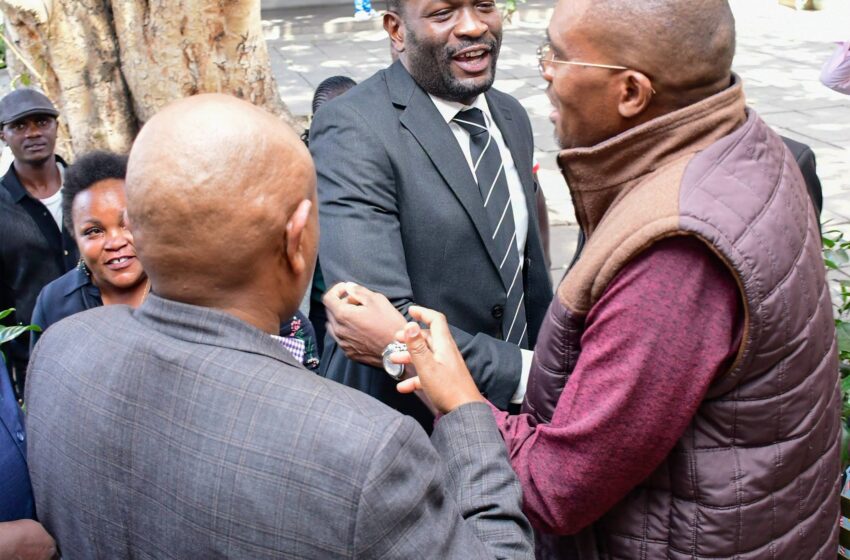
Nairobi Senator Edwin Sifuna has reignited debate over government spending, the cost of electricity and the treatment of political critics after delivering a pointed address to Kenyans living in the United States, while opposition leaders back home sought to dismiss suggestions that their political engagements are evidence of a growing split ahead of the 2027 General Election.
Sifuna’s remarks came as he addressed Kenyans in the US on Sunday, November 22, 2026, raising questions about the government’s handling of the proposed Adani deals, the cost of the Talanta Stadium project and the price of electricity compared with neighbouring Ethiopia. His comments were delivered against a backdrop of growing political mobilisation by opposition figures seeking to build a common platform to challenge President William Ruto in the next election.
The Nairobi senator accused the government of attempting to influence public voices and discourage criticism of controversial decisions. He challenged Kenyans and political leaders to maintain their principles, arguing that public money should not be used to silence those demanding accountability.
“The government gave us money to stop talking about Adani. Onyonka is here; he will tell you!” Sifuna said, according to People Daily’s account of his US address.
Read Also: Pensions Amendment Bill 2026: Key Changes for Retired Public Servants & Civil Service Benefits
Sifuna Reopens Debate Over Talanta Stadium Spending
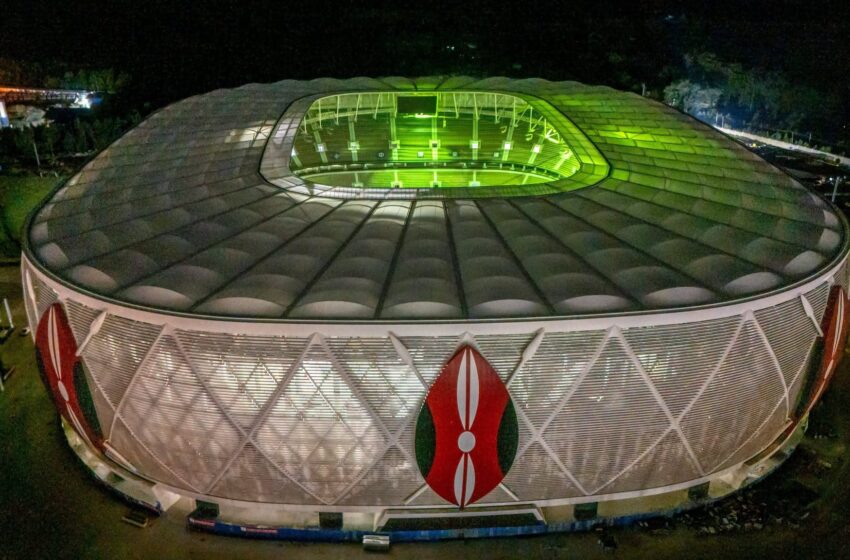
One of the main issues raised by Sifuna was the cost of constructing Talanta Stadium, now officially known as Raila Odinga Stadium. The 60,000-seater facility at Jamhuri Sports Complex in Nairobi is a major part of Kenya’s preparations for the 2027 Africa Cup of Nations.
Sifuna questioned whether the amount committed to the project represented value for money, arguing that the expenditure could have delivered more than one major sporting facility. He claimed that the amount used to build the stadium could have constructed three stadiums, a statement that adds to years of public debate over the project’s financing and procurement.
The senator’s criticism comes after the Auditor-General raised questions about the difference between the initial project estimate and the final contract value. The National Treasury had initially approved approximately KSh35 billion, while the construction contract was valued at about KSh45.85 billion, leaving a difference of KSh10.85 billion.
The government has defended the increase, attributing it to taxes, levies, freight, clearing charges and other costs that were not fully captured in the original estimate. Sports Principal Secretary Elijah Mwangi explained that the earlier figure was based on a concept design rather than the final construction contract.
The explanation has not ended scrutiny. Parliament has previously questioned the project’s procurement process, financing arrangements and documentation, with the Senate raising concerns over the KSh45.8 billion stadium project.
The distinction between the original estimate, the signed construction contract and the eventual cost of financing the project remains important. A construction contract value should not automatically be treated as the total amount taxpayers will ultimately pay if financing costs, interest and other obligations are involved.
Sifuna’s argument that three stadiums could have been built with the money is a political claim rather than an established cost comparison. Different facilities have different capacities, specifications, land requirements and supporting infrastructure. However, the broader question of whether the project offers value for public resources remains legitimate, particularly as the country balances sports infrastructure investment against pressure on household incomes and public services.
Electricity Prices and the Ethiopia Comparison
Electricity tariffs formed another major part of Sifuna’s address. The senator questioned why Kenyan consumers continue to face high power bills despite the country’s energy resources, contrasting the situation with Ethiopia.
“Electricity in Ethiopia is 30 times cheaper than in Kenya, yet we share a border!” he said.
The comparison is likely to resonate with households and businesses that have repeatedly raised concerns about electricity costs. Power prices affect manufacturing, hospitality, transport, retail and small enterprises, making electricity affordability an important issue in the wider cost-of-living debate.
However, the 30-times comparison should be treated as Sifuna’s claim rather than a verified like-for-like tariff assessment. Electricity prices vary depending on the category of consumer, consumption levels, taxes, levies, subsidies, exchange rates and the structure of the energy market. A proper comparison would need to examine equivalent household and industrial tariff categories in both countries.
Kenya’s electricity bills also include several components beyond the cost of generating power. Transmission, distribution, fuel-related adjustments and statutory charges can influence the final amount paid by consumers. The government and energy regulators therefore face pressure to explain how these components affect bills and what measures can sustainably reduce the cost of electricity.
Sifuna’s remarks have placed the issue back in the political spotlight, with the opposition likely to use electricity affordability as part of its broader criticism of the administration’s economic record.
Nyoro, Karua and Matiang’i Dismiss Third Force Claims
While Sifuna was addressing Kenyans abroad, a separate group of opposition leaders was conducting political engagements in Kirinyaga County. Kiharu MP Ndindi Nyoro, Jubilee Party leader Fred Matiang’i and People’s Liberation Party leader Martha Karua appeared together as they sought to project unity and challenge claims that a separate political formation was emerging within the opposition.
Read Also: Benni McCarthy Breaks Silence on FKF Problems Over Unpaid Harambee Stars Dues
The tour included engagements around Kimunye, Kutus and Ngurubani, following an earlier joint political appearance in the Gusii region. Siaya Governor James Orengo was also among the figures associated with the wider opposition engagements.
Speculation about a possible third force had grown after several opposition leaders began conducting political activities in different parts of the country. Their appearances together, however, have not resolved questions about who will eventually lead the coalition into the 2027 presidential contest.
Speaking during a church service in Kirinyaga, Nyoro rejected suggestions that the leaders were establishing a rival faction. He maintained that opposition politicians were working towards a common objective and would eventually agree on one presidential candidate.
“Tukiwa watatu hapa, wenzetu wako Embu na wengine wako pahali kwingine. Sisi kama opposition tuko pamoja. Leo nimeona gazeti inasema kuna watu wa opposition wanaita third force. There is only one force in the opposition, that is the unity of the opposition, na tutatoa mmoja wetu apeperushe bendera,” Nyoro said, as reported by Citizen Digital.
Matiang’i backed Nyoro’s position, arguing that the opposition remained united despite political activities taking place in different regions. He suggested that the next election would present voters with a choice between the current administration and an opposition alternative.
Karua has also sought to reassure supporters that the opposition can agree on a common candidate. During earlier political engagements, she indicated her willingness to support another leader if the coalition settled on a different presidential candidate.
The statements are significant because the opposition has several prominent figures with presidential ambitions. Besides Matiang’i, Karua and Nyoro, other leaders, including Rigathi Gachagua, Kalonzo Musyoka and Sifuna, remain influential in discussions about the coalition’s direction.
Public declarations of unity do not, however, settle the question of leadership. The opposition will still have to agree on a transparent nomination or selection process, a shared campaign programme and a way of managing competing political interests.
IEBC Warns Political Leaders Ahead of 2027 Polls
The political exchanges are unfolding as the Independent Electoral and Boundaries Commission (IEBC) intensifies consultations with political parties ahead of the August 10, 2027 General Election.
On November 19, the commission convened a high-level consultative meeting with political party leaders and their representatives to discuss election preparedness. A section of opposition leaders, including Gachagua, Kalonzo and Sifuna, walked out of the meeting after objecting to the agenda, arguing that their proposed electoral reforms and concerns had not been given sufficient priority.
In a statement issued on November 20, IEBC Chairperson Erastus Ethekon expressed regret that some opposition leaders had left before the commission could make its presentation. The commission said their departure denied both sides an opportunity to discuss the state of preparedness and examine the concerns raised by the political parties.
The electoral body acknowledged that political parties have a legitimate role in raising questions, proposing reforms and holding institutions accountable. It nevertheless urged leaders to pursue their demands through structured engagement and formal submissions.
IEBC also reminded political parties, candidates and their supporters that the Electoral Code of Conduct remains in force and must be respected throughout the electoral process. The commission warned that it would not condone conduct that undermines the integrity of elections, threatens the safety of stakeholders or violates the law.
The commission’s position is particularly important as political mobilisation increases across the country. The official IEBC statement on the November 19 consultative meeting also called on political leaders to exercise restraint, engage in good faith and avoid intimidation or harassment during stakeholder consultations.
The warning comes amid growing disagreements over the voters’ register, election technology, presidential vote tallying and the role of different institutions in preparing for the next election. Gachagua has separately given the commission until January to address opposition concerns, including an audit of the voters’ register and questions surrounding the Smartmatic election technology contract.
In his November 22 remarks, Gachagua argued that the opposition needed clear answers before the country moved closer to the election period. He also threatened direct public mobilisation if the commission failed to address the issues raised by political leaders. His claims about irregularities in voter registration remain allegations and require verification by the relevant institutions.
The IEBC, meanwhile, maintains that it is preparing to conduct free, fair, credible, transparent and peaceful elections within its constitutional mandate.
Opposition Unity Faces Its First Major Test
The three developments highlight the competing priorities shaping Kenya’s political environment as the country approaches the 2027 General Election. Sifuna’s address placed public expenditure, electricity affordability and government accountability at the centre of the debate, while the Kirinyaga tour offered a public display of cooperation among opposition figures.
The IEBC’s warning adds another dimension by reminding political actors that electoral competition must remain within the law and that disputes over preparations should be addressed through constructive engagement.
Opposition leaders may succeed in presenting a united public front, but the real test will come when they begin negotiating the presidential ticket, campaign leadership and distribution of political responsibilities. A coalition built around opposition to the government will need a common programme that goes beyond criticism of the current administration.
Read Also: Netflix, Showmax Under Scrutiny? Kenya Tightens Rules on Streaming Content & Local Productions
Questions about Talanta Stadium expenditure and electricity prices are likely to remain important because they connect national politics to everyday economic concerns. Equally, public confidence in the electoral process will depend on whether the IEBC addresses legitimate concerns transparently and whether political leaders respect the commission’s constitutional role.
The coming months will therefore test both sides of the political divide. The government will face pressure to demonstrate accountability and deliver on its development promises, while the opposition will need to prove that its unity can translate into a credible alternative. Ultimately, voters will judge the competing political formations not only by their speeches and alliances, but also by the solutions they offer to the country’s most pressing challenges.

