
Sports Federation Governance: Constitutional Safeguards & Compliance Frameworks

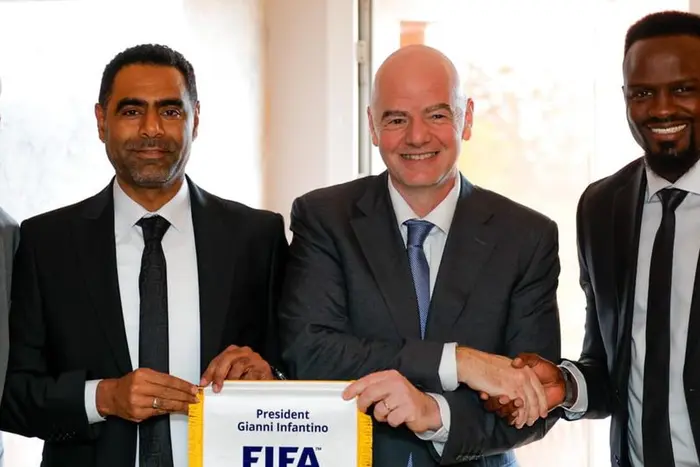
Sports federations operate as the fundamental link between localized athletic development and international competitive frameworks. Managing these associations requires strict adherence to corporate governance models to maintain operational predictability and secure external funding. Internal structural divisions frequently emerge when procurement decisions or oversight mechanisms bypass established constitutional procedures.
The intersection of local political dynamics and global regulatory standards creates a complex environment for administrative compliance. When executive committees attempt to enforce leadership changes through immediate floor votes rather than formal statutory paths, global governing bodies routinely step in to restore balance. These interventions highlight a universal principle: internal regulations are mandatory frameworks, not discretionary options.
Maintaining long-term predictability within national sports bodies protects regional athletic ecosystems from self-inflicted disruption. This comprehensive analysis evaluates the structural, legal, and economic frameworks necessary to safeguard institutional integrity within modern sports management.
The Structural Mechanics of Association Constitutions
Every recognized sports federation operates under a foundational constitution designed to balance executive authority with rigorous check-and-balance systems. These legal frameworks outline explicit pathways for disciplinary actions, leadership transitions, and financial auditing to prevent arbitrary decision-making. If an internal executive committee seeks to remove or provisionally suspend an official, it must follow these predefined protocols to ensure legitimacy.
A core pillar of any democratic sports constitution is the strict regulation of due process. For example, standard provisional dismissal clauses require that any disciplinary action be proposed with comprehensive justification, placed on the official pre-distributed agenda, and shared early with all active voting members. These steps prevent minority or majority factions from introducing sudden, unannounced motions that destabilize the entire executive suite.
Furthermore, constitutional safeguards mandate that any official facing allegations must be afforded a fair opportunity to review the claims and present a structured defense. Forcing an elected leader to vacate office under the guise of an “informal request to step aside” is legally recognized as a mandatory suspension. Consequently, bypasses that ignore these core principles are systematically invalidated by global oversight organizations.
Structural Comparison of Governance Frameworks
| Governance Element | Constitutional Compliance Framework | High-Risk Administrative Bypasses |
| Agenda Integration | Compulsory early notice and formal placement of motions within the pre-distributed meeting docket. | Introducing high-stakes executive changes spontaneously from the floor without prior documentation. |
| Due Process Rights | Mandatory defense hearings allowing accused officials to answer specific claims before an independent panel. | Implementing immediate executive votes that bypass the official’s right to a formal response. |
| Legal Validity | Decisions executed strictly within standard statutory pathways to generate binding legal effects. | Creating alternative committee procedures that yield invalid, unrecognised administrative actions. |
Economic Ramifications of Administrative Instability
The consequences of administrative friction inside sports federations extend far beyond boardroom politics, creating direct economic fallout for the local athletic market. Corporate entities and global brands prioritize institutional stability when allocating multi-year marketing budgets and tournament sponsorship funds. Public leadership disputes or sudden executive shakeups signal high operational risk, causing corporate backers to withdraw or freeze their financial commitments.
National athletic development relies heavily on these public-private partnerships to sustain professional leagues, facility maintenance, and grassroots youth academies. When commercial confidence drops, funding for training programs dries up, halting talent development pipelines and harming the career progression of domestic athletes.
| Economic Impact Area | Stable Governance Outcomes | Unstable Governance Consequences |
| Corporate Sponsorships | Long-term multi-year brand commitments and robust grassroots investment. | Freezing of current financial assets and cancellation of future marketing contracts. |
| Infrastructure Development | Consistent capital allocation for stadium upgrades and high-performance training hubs. | Delayed construction timelines and loss of co-hosting rights for international events. |
| Broadcast Valuations | Appreciating media rights value driven by predictable match calendars and stable league setups. | Depreciated media valuations due to potential fixture disruptions and brand association risks. |
Multi-nation tournament hosting frameworks also demand high execution synergy between state departments and sports federations. Prolonged executive standoffs slow down structural preparations, threaten infrastructure deadlines, and compromise the host nation’s international credibility.
Preserving Regional Commercial Viability
Regional broadcast packages and international match partnerships are highly sensitive to governance ratings issued by global overseers. When a national federation risks international isolation or non-recognition due to constitutional violations, media networks frequently devalue their broadcasting bids. This reduction in broadcast revenue limits a federation’s ability to pay competitive stipends to national team players and staff.
The local hospitality and tourism sectors also experience a downstream effect from sports management crises. International fixtures bring in foreign visitor spending, hotel bookings, and temporary service employment. If internal organizational standoffs lead to cancelled fixtures or relocated matches, local businesses lose crucial match-day revenue streams.
Sustainable sports commercialization requires an environment free from sudden administrative shifts. Commercial partners invest in long-term institutional structures, not volatile executive factions.
Historical Precedents of Global Isolation
Modern sports history contains numerous examples where regional administrative overreach or non-compliance led to global suspensions by international parent bodies. These institutional lockouts completely disconnect local federations from international transfer markets, global developmental funding, and continental competitions. The resulting isolation can sideline an entire generation of athletes, stalling national team development for years.
International governing bodies use non-recognition rulings as a strategic tool to protect local associations from entering these cycles of isolation. By declaring unconstitutional committee actions null and void, global overseers maintain systemic continuity while local bodies sort out their internal friction through correct legal avenues.
Regulatory rules are designed to insulate sports administration from hasty, reactive decisions during internal disputes. Following these constitutional pathways ensures that allegations of financial misconduct or administrative failures are addressed without causing structural collapses.
Corporate Governance Paths for Long-Term Stability
Resolving deep internal administrative friction requires sports federations to step away from political maneuvering and adopt standardized corporate governance practices. When procurement or financial allocation disputes occur, executive committees should utilize independent, constitutionally recognized judicial bodies rather than taking immediate, unilateral action.
Implementing independent financial audit panels offers a neutral way to examine procurement compliance without disrupting leadership continuity. This method provides the transparency demanded by critics while protecting the due process rights of elected officials.
Maintaining stable, everyday operations is essential for regional sports associations to retain their standing with continental governing boards. By committing to standardized dispute resolution models, sports federations preserve their operational credibility, protect their commercial partnerships, and ensure long-term athletic growth.

