
Turkana Oil Production Set for December 1 Flag-Off: What Kenya’s Commercial Crude Launch Means for Energy & Logistics Jobs

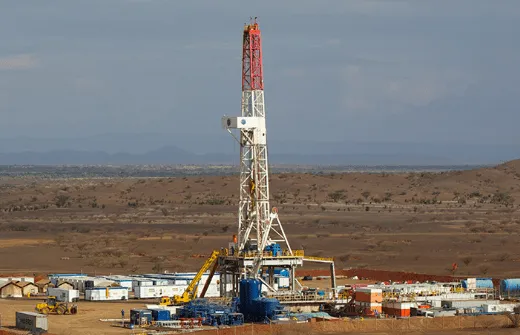
The long-awaited entry into commercial crude oil production is approaching a historic milestone, with President William Ruto expected to preside over the December 1, 2026, flag-off of the first oil consignment from the South Lokichar Basin in Turkana County. The development marks a significant transition from years of petroleum exploration and pilot operations towards commercial production, opening opportunities in transport, engineering, environmental management and regional trade.
Energy and Petroleum Cabinet Secretary Opiyo Wandayi has confirmed that commercial production is scheduled to commence on December 1, with the government preparing to introduce Kenya’s crude oil to international markets under a new trading identity.
The Ministry of Energy and Petroleum has shortlisted four potential names: Great Rift Light, Great Rift Intermediate, Great Rift Blend and Great Rift Sweet. President Ruto is expected to unveil the selected name during the launch ceremony.
According to Business Daily’s November 18 report, the initial production phase is targeting approximately 20,000 barrels per day, with Gulf Energy undertaking commercial development of the oil fields.
However, the significance of the December milestone extends beyond the extraction of petroleum. It introduces a new economic activity with the potential to reshape employment, infrastructure investment and business opportunities in Turkana and along the transport corridor connecting northwestern Kenya to the Port of Mombasa.
From Oil Exploration to Commercial Production
The South Lokichar Basin has remained central to Kenya’s petroleum ambitions since commercially significant discoveries were announced in 2012.
Despite the discoveries, commercial development experienced prolonged delays involving infrastructure requirements, investment decisions, project financing and negotiations surrounding the economic viability of extracting the resource.
The current development programme represents a renewed effort to move the discoveries into sustained commercial production.
Gulf Energy is undertaking the project following the government’s approval of the South Lokichar Field Development Plan. The initial phase focuses on production from selected fields within Blocks T6 and T7, including Ngamia and Amosing.
The approved development strategy targets approximately 20,000 barrels per day during the initial production phase. Production is expected to increase to approximately 50,000 barrels per day from 2032 as additional infrastructure and development activities are introduced.
The South Lokichar Field Development Plan provides the project’s implementation framework, including production milestones and supporting infrastructure requirements.
For Kenya, the transition is important because it creates an opportunity to diversify economic activity beyond traditional sources of foreign exchange, including tourism, agriculture, manufacturing and services.
Nevertheless, production targets will need to be supported by reliable infrastructure, international buyers and commercially sustainable operations.
Transport Logistics to Create New Employment Opportunities
One of the immediate economic consequences of commercial oil production will be increased demand for road transportation.
Unlike countries that already operate extensive crude oil pipeline infrastructure, Kenya will initially depend on specialised road tankers to transport petroleum from Turkana towards the coast.
According to the Kenya News Agency report published on November 19, approximately 600 trucks will be contracted to support the transportation operation, with 400 reserved for transporters from communities in the oil-producing region.
This arrangement could create opportunities for local transport companies, truck owners, drivers, mechanics, fuel suppliers, tyre dealers and vehicle maintenance businesses.
The transportation requirements will also generate demand for insurance providers, vehicle tracking companies, fleet management specialists and logistics coordinators.
For residents of Turkana, participation in the transportation chain could provide an opportunity to benefit directly from the petroleum industry rather than depending exclusively on employment within the oil fields.
The project will also create business opportunities along the transport corridor, particularly for companies supplying vehicle maintenance, accommodation, food, security and other essential services.
However, the scale of these opportunities will depend on transparent contracting procedures, compliance with transport regulations and the ability of local businesses to meet the technical and financial requirements of the industry.
Engineering and Technical Jobs in the Petroleum Industry
The transition to commercial production is also expected to increase demand for skilled professionals across Kenya’s engineering and technical sectors.
Oil extraction requires specialised expertise in petroleum engineering, mechanical engineering, electrical systems, instrumentation, drilling operations and industrial maintenance.
The development of South Lokichar will therefore create opportunities for Kenyan professionals with experience in industrial installations, equipment maintenance, construction, health and safety management and technical operations.
A Business Daily employment report published in October highlighted recruitment activity involving engineers and other professionals ahead of the commencement of commercial production.
The report indicated that companies associated with the South Lokichar project were seeking to fill 68 positions, adding to recruitment undertaken by Gulf Energy earlier in the year.
Gulf Energy Country Manager Frankline Juma subsequently provided further information about local participation during a November 19 media engagement in Amosing.
According to the Kenya News Agency, 599 of the 716 jobs associated with the project were held by Kenyans, with 61 per cent of those positions occupied by people from Turkana County.
The figures demonstrate the importance of local employment in ensuring that petroleum investment generates benefits beyond the companies directly involved in extraction.
Nevertheless, the industry will require continued investment in technical training, professional certification and knowledge transfer.
Universities, technical training institutions and vocational colleges could strengthen their programmes to prepare graduates for employment in petroleum operations, industrial automation, logistics and environmental management.
Environmental Compliance and Community Protection
Commercial petroleum production will also increase the importance of environmental protection, particularly in a region where communities depend heavily on livestock keeping and other natural resources.
Oil extraction, storage and transportation present environmental risks that require effective monitoring, emergency preparedness and regulatory supervision.
Potential risks include accidental petroleum spills, soil contamination, groundwater pollution, improper disposal of industrial waste and damage to sensitive ecosystems.
Transporting crude oil over long distances will introduce additional safety concerns, especially where tankers share roads with other motorists and pass through settlements.
Environmental compliance will therefore become an important area of employment and professional services.
Environmental scientists, laboratory technicians, occupational health specialists, safety officers and environmental auditors will be required to support monitoring and regulatory obligations.
The Environmental Management and Co-ordination Act provides Kenya’s principal legislative framework for environmental protection.
The National Environment Management Authority (NEMA) has an important regulatory role in environmental assessment, licensing and compliance monitoring.
Meanwhile, the Petroleum Act, 2019, provides the wider legal framework governing petroleum operations, including upstream activities and regulatory oversight.
For communities living near production facilities and along transportation routes, effective implementation of these safeguards will be as important as the economic benefits associated with the project.
The government and the project operator will need to maintain transparent communication with residents, respond to environmental concerns and ensure that emergency response systems are adequately equipped.
Turkana Businesses Could Benefit From a Wider Supply Chain
Beyond direct employment, commercial oil production could create a broader market for small and medium-sized enterprises in Turkana County.
Oil operations require continuous supplies of food, accommodation, protective equipment, cleaning materials, construction products, transport services and administrative support.
Local entrepreneurs could position their businesses to serve these requirements through properly structured procurement arrangements.
Hotels, restaurants, catering companies and retail outlets could benefit from increased demand associated with workers, contractors, engineers and visiting technical personnel.
Construction companies may also find opportunities in developing access roads, accommodation facilities, storage infrastructure and supporting industrial facilities.
The opportunities could extend to businesses outside Turkana, particularly in counties and commercial centres along the transportation corridor.
However, local participation will require more than the availability of business opportunities.
Entrepreneurs must demonstrate the ability to meet procurement standards, provide consistent services, maintain financial records and comply with occupational health and safety requirements.
County and national government institutions could support participation through enterprise development programmes, technical training and accessible information about procurement opportunities.
A transparent local-content framework would also help ensure that businesses owned by residents are not excluded by larger companies with greater financial capacity.
Mombasa Port and Kenya’s International Oil Trade
The commercial launch will also strengthen the strategic importance of the Port of Mombasa in Kenya’s emerging petroleum export business.
During the initial phase, crude oil will be transported by road tankers from South Lokichar to storage facilities at the Kenya Petroleum Refineries Limited (KPRL) facility in Mombasa before export.
The transportation arrangement is expected to require extensive coordination between petroleum operators, road transport companies, storage facility managers, port authorities and international commodity traders.
According to the Energy and Petroleum Regulatory Authority’s 2026 statistics report, the initial development strategy provides for approximately 100 truckloads per day, supported by a fleet of 600 trucks to accommodate the transportation cycle.
The project also envisages a transition towards alternative transportation infrastructure as production increases.
From 2032, the second development phase targets approximately 50,000 barrels per day, with rail transportation expected to support the movement of crude oil to the coast.
This could create additional opportunities in railway logistics, petroleum storage, cargo handling, port operations and industrial infrastructure development.
Importantly, the December 1 ceremony should not be confused with the completion of the first international export shipment.
Gulf Energy Country Manager Frankline Juma indicated that the first shipment for export is expected on March 1, 2027, according to the Kenya News Agency’s November 19 report.
The distinction means the country will first commence commercial production before completing the subsequent transportation, storage and export arrangements.
What Kenya’s Crude Oil Trading Name Means
Another important aspect of the December 1 launch is the introduction of a commercial identity for Kenya’s crude oil.
The government has shortlisted four names: Great Rift Light, Great Rift Intermediate, Great Rift Blend and Great Rift Sweet.
The selected name will help international buyers and petroleum traders distinguish Kenyan crude from other grades available in the global market.
Crude oil is classified according to characteristics such as density and sulphur content, which influence its suitability for different refining processes.
Light crude generally has lower density, while sweet crude contains relatively low sulphur levels.
These characteristics can make particular grades attractive to refineries seeking to produce petroleum products such as petrol, diesel and aviation fuel.
Kenya’s commercial branding exercise therefore represents more than a national naming competition. It is part of the country’s preparation to market its petroleum internationally.
The final trading identity will also contribute to the recognition of Kenyan crude among international commodity buyers.
Revenue Generation and the Question of Local Benefits
The government’s ambition to develop the South Lokichar fields is partly linked to the potential economic contribution of petroleum exports.
Commercial production could generate foreign exchange earnings, government revenue and additional investment across supporting industries.
However, the actual financial benefits will depend on international crude prices, production costs, transportation expenses, contractual arrangements and the volume of petroleum successfully sold.
The Petroleum Act, 2019, provides the legislative foundation for managing petroleum resources and regulating activities within the sector.
The constitutional framework also establishes principles governing the management of natural resources and the sharing of benefits between different levels of government.
Article 69 of the Constitution addresses obligations relating to sustainable exploitation, utilisation, management and conservation of the environment and natural resources.
Article 71 provides for parliamentary ratification of certain agreements relating to natural resources.
For Turkana residents, the central question will be whether commercial production translates into sustainable improvements in household incomes, infrastructure, healthcare, education and access to economic opportunities.
The national government and Turkana County administration will therefore face pressure to demonstrate how petroleum development can support inclusive regional development.
Transparent revenue management, community engagement and accountability will be essential in building public confidence.
Challenges That Could Affect Kenya’s Oil Ambitions
Despite the opportunities, Kenya’s entry into commercial crude production will face several operational and economic challenges.
Transportation costs remain an important consideration because the initial export arrangement depends on hundreds of specialised trucks travelling between Turkana and Mombasa.
Maintaining road infrastructure, ensuring tanker safety and coordinating large-scale movements will require substantial logistical planning.
The petroleum industry is also exposed to fluctuations in international crude prices, meaning that expected revenues cannot be guaranteed.
Environmental concerns, land compensation, community expectations and the availability of specialised technical skills will require sustained attention.
The government must also ensure that local businesses and workers have meaningful opportunities to participate rather than leaving the majority of economic benefits concentrated among large contractors.
Addressing these challenges will determine whether the project becomes a sustainable economic investment or simply another resource development programme with limited benefits for surrounding communities.
A New Chapter for Kenya’s Energy and Employment Sector
The December 1, 2026, commercial production milestone represents an important development in Kenya’s petroleum industry after more than a decade of exploration and project delays.
Beyond the extraction of crude oil, the South Lokichar project has the potential to create employment opportunities in transportation, engineering, environmental compliance, construction, storage and international trade.
The planned involvement of 400 locally reserved transport trucks out of a fleet of 600 also provides an important indication of how the project could incorporate businesses from oil-producing communities.
Nevertheless, the success of Kenya’s petroleum ambitions will depend on more than the commencement of production.
Reliable transportation infrastructure, responsible environmental management, transparent procurement and effective revenue governance will determine whether the resource generates lasting economic benefits.
President Ruto’s expected flag-off will therefore mark the beginning of a new phase in Kenya’s energy ambitions, with Turkana positioned at the centre of an emerging petroleum economy.
The bigger test will be whether commercial crude production creates opportunities that extend beyond oil fields and reach ordinary Kenyans through jobs, enterprise development and sustainable regional investment.

