
Panic Over South Africa Xenophobia Claims Sparks East Africa Diplomatic Response and Misinformation Warning

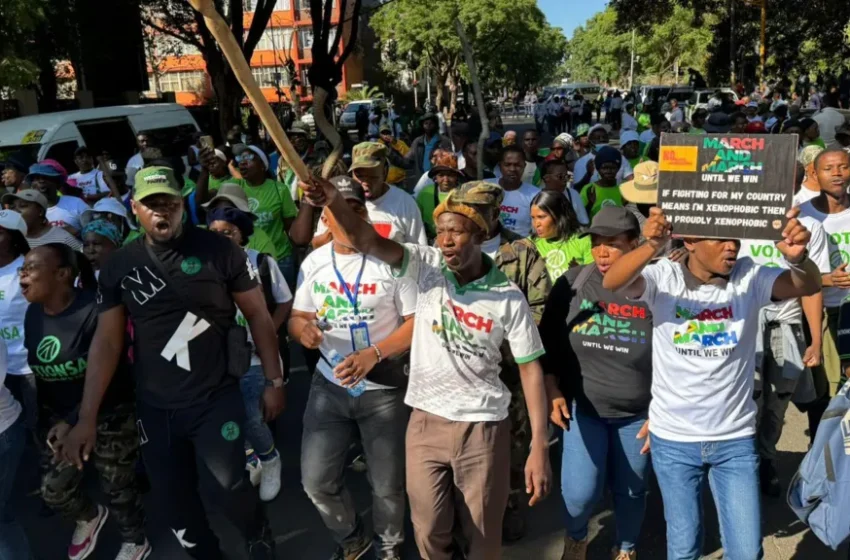
A wave of concern has spread across parts of East Africa following viral social media posts alleging renewed xenophobic attacks targeting foreign nationals in South Africa.
The claims, which circulated widely on platforms such as X, Facebook, and WhatsApp, sparked anxiety among diaspora families and triggered diplomatic clarification from several East African governments.
However, authorities in both Tanzania and South Africa have moved quickly to dismiss the reports as unverified, warning that misinformation is driving unnecessary panic among citizens.
Officials say many of the videos being shared are either outdated footage from previous incidents or content that has been incorrectly labelled as current events.
Also Read: Omar Abdulkadir Artan World Cup Exclusion Raises Immigration Questions Across Global Football
Tanzanian Government Rejects Reports of Targeted Attacks
Tanzania’s diplomatic mission in South Africa has firmly denied claims that Tanzanian citizens are currently being targeted in xenophobic violence.
The country’s High Commissioner to South Africa, James Bwana, stated that no verified evidence supports the allegations circulating online.
He explained that diplomatic teams had reviewed the circulating material and found no confirmed incidents involving Tanzanian nationals in the alleged attacks.
Officials further cautioned that misleading content has been amplifying fear among families back home, especially those with relatives living and working in South Africa.
Role of Misinformation and Social Media Panic
The situation highlights the growing challenge of misinformation in the digital age, where unverified content can spread rapidly before authorities respond.
In many cases, old footage from unrelated incidents is reshared as breaking news, often without context or verification.
Common forms of misinformation spreading during crisis events
| Type of misinformation | Description | Impact |
|---|---|---|
| Old video reuse | Archived footage reposted as current events | False panic |
| Mislabelled content | Videos from other countries passed as South Africa incidents | Confusion |
| Edited clips | Manipulated footage to exaggerate violence | Fear escalation |
| Anonymous posts | Unverified claims without sources | Public anxiety |
Experts warn that such patterns can escalate tensions between communities and even strain diplomatic relations if not addressed early.
Tanzanian Embassy Urges Calm and Verification
Officials at the Tanzanian High Commission in Pretoria have urged citizens to remain calm and avoid sharing unverified content.
They emphasized that diplomatic channels are actively monitoring developments and communicating with local authorities in South Africa.
According to the mission, no confirmed cases of Tanzanian nationals being harmed in the alleged incidents have been recorded.
Community leaders representing Tanzanians in South Africa have also urged restraint, calling on individuals to verify information before sharing it online.
They warned that misinformation is not only causing panic but also damaging trust within diaspora communities.
Kenya Monitors Situation Through Diplomatic Channels
In Kenya, government officials have also reassured citizens that no verified cases of harm to Kenyans have been reported.
Diaspora Affairs Principal Secretary Roselyn Njogu confirmed that Kenya’s High Commission in Pretoria is closely monitoring the situation and maintaining communication with local authorities.
She stated that updates from diplomatic missions so far indicate no confirmed Kenyan casualties or targeted attacks linked to the viral claims.
However, Kenyan diaspora groups have issued precautionary advisories urging citizens to remain vigilant while authorities continue monitoring developments.
Safety Advisory for Kenyan Citizens in South Africa
The Kenya Diaspora in South Africa (KEDASA) has advised Kenyans to take precautionary measures amid reports of protests and unrest in some areas.
The advisory highlighted several regions where demonstrations or tensions have been reported, including:
- Cape Town
- Durban
- East London (Ku-Gompo)
- Parts of Gauteng Province
Recommended safety precautions for diaspora communities
| Safety Measure | Purpose |
|---|---|
| Stay indoors during unrest | Reduce exposure to risk areas |
| Avoid protest zones | Prevent accidental involvement |
| Carry valid identification | Ensure smooth police verification |
| Monitor official updates | Avoid misinformation |
| Maintain communication with embassy | Emergency support access |
Authorities emphasized that these measures are precautionary and not confirmation of widespread violence.
South African Authorities Condemn Violence and Vigilantism
South African officials have strongly rejected any form of violence targeting foreign nationals.
Law enforcement agencies have reiterated that no individual or group has the authority to enforce immigration grievances through intimidation or attacks.
Police leadership has called for calm and reaffirmed that only state institutions are responsible for maintaining public order.
Security operations have reportedly been increased in areas where tensions have been reported to prevent escalation and protect both citizens and foreign residents.
Historical Context of Xenophobia in South Africa
While current reports remain unverified, South Africa has previously experienced episodes of xenophobic violence linked to unemployment, inequality, and competition for resources.
These past incidents have often sparked regional concern and diplomatic engagement across African countries.
However, officials caution that past events should not be used to validate current unverified claims, especially when no credible evidence supports them.
Understanding the difference between historical context and present-day misinformation is critical in avoiding unnecessary panic.
Regional Reaction Across Africa
The issue has also drawn attention from other African countries with citizens living in South Africa.
Governments including Ghana and Nigeria have previously raised concerns about the safety of their nationals during periods of unrest.
Diplomatic channels across the continent continue to emphasize the importance of protecting foreign nationals and promoting peaceful coexistence.
Regional cooperation remains central to addressing migration-related tensions and preventing misinformation-driven crises.
Why Misinformation Travels Faster Than Facts
Experts in digital communication note that emotionally charged content tends to spread faster than official statements.
Fear-based narratives often gain traction on social media before authorities are able to verify or refute them.
Why false crisis reports go viral
- Emotional shock increases sharing behavior
- Lack of immediate official information
- Algorithm amplification of trending content
- Reposting without verification
This pattern makes crisis communication a major challenge for governments and diplomatic missions.
Importance of Verified Information in Crisis Situations
Authorities across East Africa have urged citizens to rely only on verified government or embassy updates.
They stress that sharing unconfirmed reports can create unnecessary panic and strain diplomatic relations.
Citizens are encouraged to verify information through official channels before reposting or reacting to sensitive content online.
Calm Urged as Diplomatic Monitoring Continues
While viral claims of xenophobic attacks in South Africa have triggered concern across East Africa, diplomatic missions and authorities have confirmed that no verified evidence supports the reports at this time.
Governments in Tanzania and Kenya continue to monitor the situation closely through official channels, while urging citizens to remain calm and avoid spreading unverified information.
The incident highlights the growing challenge of misinformation in the digital era and the importance of responsible information sharing, especially during sensitive cross-border situations involving diaspora communities.

