
Education Budget 2026/27 HELB Funding Surge Higher Education Financing & Student Loans Reform Explained

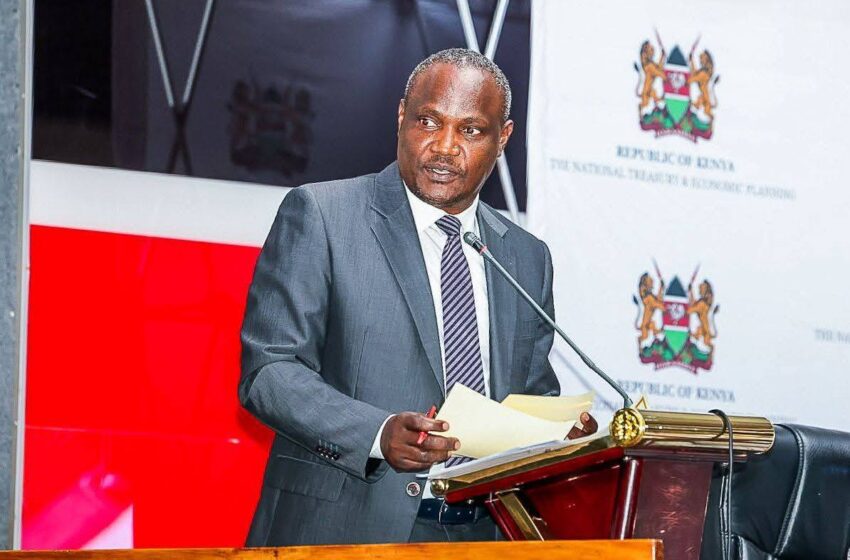
Kenya has made one of its most significant education financing commitments in recent years by allocating Ksh668.3 billion to the education sector in the 2026/27 national budget.
At the centre of this allocation is a record funding boost to higher education financing, particularly through the Higher Education Loans Board (HELB), which has received Ksh56.7 billion.
This move reflects a strategic shift in government policy, prioritizing human capital development at a time when fiscal pressure, debt servicing, and cost of living challenges continue to shape national economic decisions.
Why Kenya Is Increasing Education Funding in 2026 27 Budget
The timing of this funding increase is closely tied to Kenya’s broader economic environment.
The country is currently managing:
- A widening fiscal deficit
- Rising public debt obligations
- High youth unemployment
- Increasing demand for higher education access
Instead of cutting education spending, the government has chosen to expand investment in learning systems as a long term growth strategy.
This approach reflects the belief that education is not consumption spending but a productive investment in future economic output.
Kenya education funding priorities overview
| Sector area | Allocation focus | Economic objective |
|---|---|---|
| Higher education | HELB student loans | Access expansion |
| Universities | Scholarships & operations | Institutional stability |
| TVET training | Skills development | Job creation |
| Research | Innovation funding | Economic competitiveness |
HELB Funding Increase and What It Means for Students
The Higher Education Loans Board received Ksh56.7 billion, representing a major increase of approximately Ksh15 billion from the previous budget cycle.
This increase is designed to support students who are struggling with rising tuition costs and increased cost of living pressures.
For many families, HELB financing determines whether a student can complete university education or drop out due to financial constraints.
The expanded allocation aims to:
- Increase loan access for students
- Reduce dropout rates
- Support vulnerable households
- Stabilize university enrolment
University Funding Structure in Kenya Explained
Although HELB is the most visible component, the education budget is structured across multiple funding channels.
The government has distributed resources across scholarships, institutional support, infrastructure, and staff welfare.
Kenya university education funding breakdown
| Funding category | Allocation | Purpose |
|---|---|---|
| HELB loans | Ksh56.7B | Student financing |
| Scholarships | Ksh30.9B | Support needy students |
| University operations | Ksh6.6B | Institutional stability |
| Staff arrears | Ksh6.68B | Salary obligations |
| Infrastructure | Ksh4.7B | Campus development |
| Research funding | Ksh1.2B | Innovation support |
This diversified approach is intended to ensure both access and quality in higher education institutions.
TVET and Skills Training as Kenya’s Employment Strategy
Technical and Vocational Education and Training institutions received Ksh9.2 billion in scholarship support.
This reflects a growing recognition that Kenya’s labor market requires more practical, skills based training rather than purely academic degrees.
TVET programs are increasingly aligned with:
- Manufacturing jobs
- Digital skills economy
- Construction and infrastructure sectors
- Renewable energy industries
This shift supports the government’s broader Bottom Up Economic Transformation Agenda.
Can Kenya Student Loan System Remain Sustainable
Despite increased funding, concerns remain about the long term sustainability of the HELB revolving fund model.
The system depends on loan repayment from graduates who are already employed.
However, recovery rates have remained below expectations due to:
- Informal employment dominance
- Loan avoidance by graduates abroad
- Weak enforcement mechanisms
- Delayed salary tracking systems
HELB repayment challenge structure
| Challenge | Impact on system | Risk level |
|---|---|---|
| Low repayment compliance | Funding gap expansion | High |
| Informal employment | Hard to track borrowers | High |
| Weak enforcement | Revenue leakage | Medium |
| Economic pressure | Default increase | High |
If repayment rates do not improve, the government may need to increase taxpayer funding to sustain the system.
Why Education Spending Matters for Kenya Economy
Education spending is not just a social investment. It directly affects Kenya’s economic competitiveness.
A well funded education system contributes to:
- Higher skilled workforce
- Increased innovation capacity
- Reduced unemployment
- Stronger tax base in the long term
The government’s approach reflects a long term growth strategy that prioritizes human capital over short term fiscal tightening.
Cost of Living Pressure and Student Support Systems
Rising living costs have significantly affected students in universities and colleges.
Increased funding for HELB and scholarships is meant to cushion learners from:
- Higher food prices
- Increased accommodation costs
- Transport inflation
- Tuition adjustments
Without such interventions, access to higher education could become increasingly unequal.
University Infrastructure and Research Development in Kenya
The allocation of Ksh4.7 billion for infrastructure and Ksh1.2 billion for research reflects a push toward modernization of Kenya’s academic institutions.
Key priorities include:
- Expansion of lecture facilities
- Digital learning infrastructure
- Laboratory upgrades
- Research commercialization
These investments are essential for positioning Kenyan universities competitively within global education rankings.
Political Economy of Education Funding in Kenya
Education remains the largest budgetary recipient in Kenya’s national expenditure plan.
This reflects both political priority and economic necessity.
However, policymakers must balance:
- Debt repayment obligations
- Public service wage demands
- Infrastructure spending
- Social protection programs
Education funding decisions therefore sit at the centre of Kenya’s fiscal strategy.
Future of Higher Education Financing in Kenya
The sustainability of Kenya’s education financing model will depend on structural reforms.
Key reforms likely needed include:
- Stronger HELB loan recovery systems
- Employer based deduction enforcement
- Digital tracking of graduates
- Expanded private sector participation
Without these reforms, funding pressure may continue to grow annually.
Kenya Education Budget 2026 27 and the Future of Human Capital Development
Kenya’s Ksh668.3 billion education allocation represents a major commitment to human capital development.
The record HELB funding increase signals government intent to expand access to higher education while addressing financial barriers faced by students.
However, long term success will depend on improving loan recovery systems, strengthening institutional efficiency, and ensuring that funding translates into measurable educational outcomes.
Ultimately, the budget reflects a clear message: education is Kenya’s most important long term investment, but its sustainability will depend on shared responsibility between government, institutions, and beneficiaries.

