
Nation Media Group Security Raid: Official State Positions, Press Freedom Concerns &Legal Context

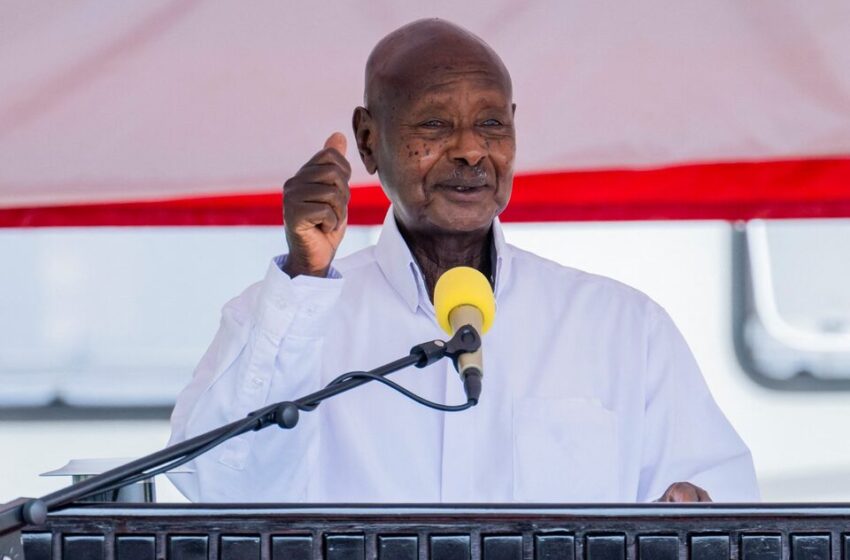
The ongoing military blockade of Nation Media Group Uganda (NMGU) has entered a critical phase following the first formal government explanation regarding the multi-agency operation. Armed security personnel continue to surround the country’s largest independent media house, an action that authorities maintain is a necessary step in an ongoing security investigation rather than an attempt to stifle independent journalism.
Providing the official state perspective, ICT and National Guidance Minister Justine Lumumba Kasule confirmed that the operation stems from a high-level security inquiry ordered directly by President Yoweri Museveni. The multi-agency probe brings together the Uganda People’s Defence Forces (UPDF), the Criminal Investigations Directorate (CID) of the Uganda Police Force, and specialized technical experts.
Chronology of the Operational Disruption
The security operation began in the early hours of Sunday, June 28, 2026, when heavily armed, masked security forces took control of NMGU’s primary headquarters in the Namuwongo district of Kampala. Simultaneously, security units barricaded the company’s broadcasting hubs situated at the Kampala Serena International Conference Centre.
Read Also: Pharmacy Board Looks to Shape Future of Pharmaceutical Practice
Technical teams and staff on duty were initially detained for several hours during the initial takeover, preventing the standard distribution of print media and halting all traditional electronic broadcasts.
Timeline of Key Events
| Date / Time | Event Status | Operational Impact |
| June 28, 2026 (1:00 AM) | Military Deployment | Armed personnel occupy Namuwongo headquarters and Serena broadcasting centers. Technical staff restricted. |
| June 28, 2026 (Morning) | Broadcast & Print Cessation | NTV Uganda, Spark TV, KFM, and Dembe FM go off-air. Daily Monitor print production halts. |
| June 28, 2026 (Afternoon) | Digital Pivot | NMGU management shifts entirely to web, social media, and alternative digital streams to bypass the physical blockade. |
| June 29, 2026 | International Escalation | Global press freedom watchdogs and regional editor guilds issue formal condemnations demanding immediate withdrawal. |
| June 30, 2026 | Official State Response | Minister Justine Lumumba Kasule issues a press statement attributing the shutdown to a presidential security inquiry. |
Behind the State’s Security Argument
State officials argue that national security requirements occasionally necessitate firm investigative actions involving civilian infrastructure. The Uganda Communications Commission (UCC) indicated that regulatory considerations regarding broadcasting standards and the verification of sensitive security reporting formed part of the background leading to the current situation.
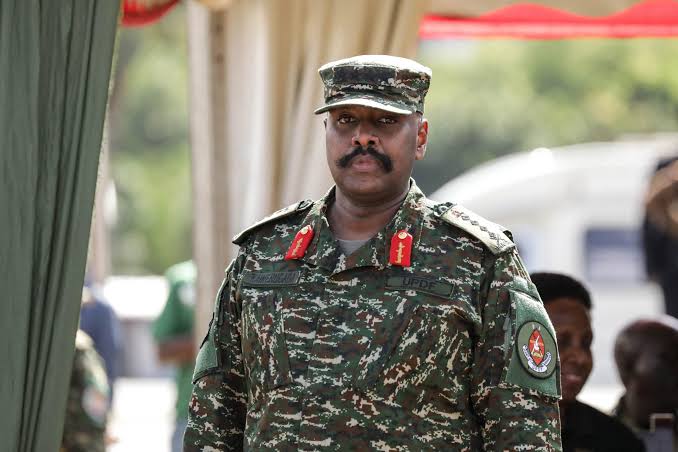
According to statements from the security establishment, including remarks attributed to Chief of Defence Forces (CDF) Gen. Muhoozi Kainerugaba, certain media coverages were viewed by authorities as potentially undermining public order and operational security.
Investigations of this magnitude typically focus on tracking information leaks, evaluating the accuracy of reports concerning military movements, or investigating matters of state intelligence. The government maintains that the temporary suspension of physical operations is a procedural necessity to allow investigators and technical experts unhindered access to relevant materials.
Historical Precedents in Uganda’s Media Landscape
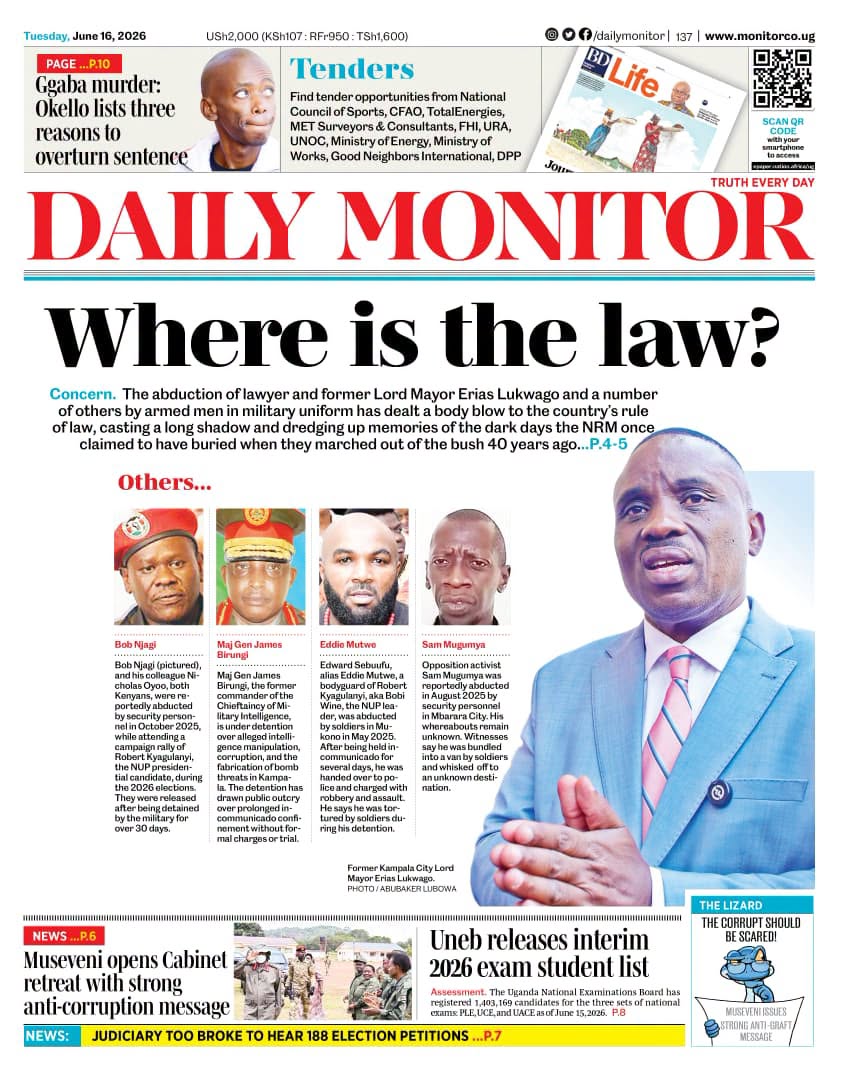
This current intervention is not the first time that major independent press installations have faced state-enforced closures in Uganda. Legal and media analysts point out that the relationship between independent journalism and state security apparatuses has seen recurring friction over the last two decades.
-
February 2007: Barely two months after its official launch, NTV Uganda was forced off the air by regulatory authorities citing technical non-compliance, leading to prolonged legal and administrative negotiations before operations resumed.
-
May 2013: Armed security forces laid a 13-day siege to the Daily Monitor offices and Dembe FM premises. That operation was sparked by the publication of a sensitive political letter detailing an alleged succession plan within the state’s top leadership structure.
Looking closely at these historical events reveals a consistent pattern where high-stakes political periods or sensitive security disclosures result in direct, administrative, or physical interventions by state agencies.
The Strategic Role of Nation Media Group Uganda
NMGU occupies a central position within the socio-economic fabric of East Africa. Being a subsidiary of the Nairobi-headquartered Nation Media Group, its operational footprint extends across multiple platforms, serving millions of citizens daily with news, business analysis, and civic programming.
“Laying siege to the Nation Media Group in Uganda, the largest media house in East and Central Africa… offers yet another indication of the country’s deepening authoritarianism.”
— Angela Quintal, Africa Director, Committee to Protect Journalists (CPJ)
The complete suspension of traditional channels creates an immediate information void. Traditional audiences lose access to daily physical newspapers, local television programming, and regional FM radio broadcasts. The disruption quickly radiates past the editorial department, impacting a massive network of corporate advertisers, printing material suppliers, distribution vendors, and administrative personnel whose livelihoods depend on daily operational continuity.
Read Also: Top Comoros Official Hospitalized in Nairobi Amid Rising Tensions in Moroni
Balancing Sovereign Security and Democratic Rights
The standoff brings the natural tension between state security mandates and constitutional protections into sharp focus. Democratic governance structures rely on a delicate equilibrium between these two vital public interests.
Framework of Competing Public Priorities
-
National Security Requirements:
-
Protection of territorial integrity and public safety.
-
Prevention of premature exposure of sensitive military strategies.
-
Rapid investigation of potential internal and external threats.
-
Enforcement of statutory media regulations and broadcasting standards.
-
-
Press Freedom Safeguards:
-
Maintenance of independent editorial oversight free from state censorship.
-
Guaranteeing the public’s constitutional right to access diverse sources of information.
-
Protection of journalistic sources and confidential editorial materials.
-
Ensuring state accountability through active civic and media oversight.
-
Legal experts stress that international human rights frameworks require any restriction on the press to be lawful, necessary, and strictly proportionate to the specific security threat identified. Prolonged physical occupations without clear judicial warrants remain a primary point of contention among legal scholars.
The Digital Buffer Against Total Blackout
Modern technological developments have fundamentally altered how information flows during periods of institutional crisis. Unlike previous decades when sealing a printing press or disabling a physical transmitter could entirely silence a news organization, the digital transformation of journalism offers robust alternatives.
NMGU Managing Director Susan Nsibirwa confirmed that despite the physical occupation of their offices and the dislocation of staff, editorial teams have adapted by moving operations entirely to digital platforms. Real-time news updates, digital video broadcasts, and analytical articles continue to reach audiences via websites, mobile applications, and social media channels.
Nevertheless, digital dissemination faces clear structural limitations in East Africa. Internet penetration rates, varying digital literacy levels, and the cost of mobile data mean that rural populations and older demographics continue to rely heavily on traditional shortwave radio, analog television, and physical newsprint. A digital-only model cannot completely replace the wide national reach of traditional media infrastructure.
Growing Geopolitical and Economic Implications
The ongoing blockade has drawn substantial international attention, influencing broader discussions around institutional transparency and regional stability. Human rights organizations, including Amnesty International, have strongly called for an unreserved withdrawal of military forces and the restoration of open broadcasting.
The diplomatic fallout has reached international legislative bodies. U.S. Senate Foreign Relations Committee Chair Jim Risch publicly suggested a comprehensive review of bilateral security relationships, indicating that actions restricting free speech and independent journalism impact international partnership assessments.
On an economic level, extended operational halts generate immediate financial losses. Media entities contribute significantly to national tax revenues and support vast employment supply chains. Advertisers face disrupted marketing campaigns, media workers confront severe livelihood uncertainties, and international investors carefully monitor these developments as key indicators of regulatory predictability and the rule of law within the country.
The Path Forward: Transparency and Institutional Impact
Resolving the current impasse hinges on the transparency of the promised government reporting. Leaving the precise nature of the security concerns undisclosed leaves room for public speculation and erodes institutional trust. Providing clear legal frameworks and verifiable evidence regarding the necessity of the inquiry will be vital for the state to maintain domestic and international credibility.
Read Also: Kenyan marathoner remanded over Ksh8 million land fraud case
The ultimate outcome of this investigation will likely redefine future engagements between state security bodies and independent media houses across East Africa. Media managers are already looking at reinforcing their digital resilience protocols and legal safety nets, while regional observers continue to watch the situation closely to gauge the future trajectory of independent expression in the region.

