
World Cup 2026 Coaching Salaries Football Managers Pay Explained

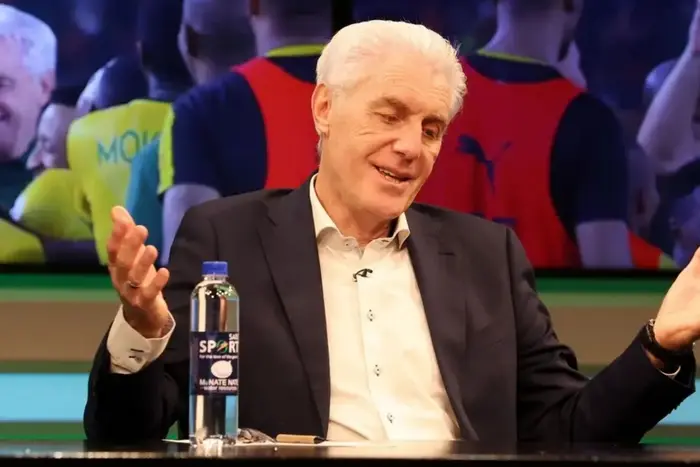
Football coaching has changed from a behind the scenes profession into one of the most powerful and highly paid roles in global sport. At the 2026 FIFA World Cup cycle, national team coaches are no longer just tacticians. They are project managers, performance analysts, public figures, and long term strategists responsible for entire football ecosystems.
The rise in salaries reflects more than just football success. It reflects commercial pressure, data driven decision making, and the growing financial importance of international tournaments.
Today, some coaches earn salaries comparable to elite club managers, even though they work under very different conditions and constraints.
Also Read: Rio Ferdinand To Open International Doors For Arusha Through AFCON 2027
Why National Teams Now Pay Club Level Salaries
In earlier decades, national team coaching roles were often temporary and modestly paid. Today, that model has changed dramatically.
Key reasons for salary growth
- Increased FIFA World Cup commercial revenue
- Higher stakes in global tournaments
- Demand for tactical innovation
- Competition between federations to attract elite managers
- Influence of analytics and sports science
National football federations now treat coaching appointments as long term investments rather than short tournament contracts.
The New Role of a Modern Football Coach
Modern coaches are no longer only focused on match tactics. Their responsibilities now extend far beyond the pitch.
Core responsibilities today
| Area | What it involves |
|---|---|
| Tactical planning | Match strategy and formations |
| Player management | Squad selection and motivation |
| Data analysis | Performance metrics and tracking |
| Media pressure | Press conferences and public communication |
| Talent coordination | Working with clubs and academies |
| Injury management | Collaboration with medical teams |
This expansion of duties explains why elite coaches are now treated as executive level professionals.
Why Coaching Salaries Differ So Widely in World Football
Even within the same tournament cycle, coaching salaries vary dramatically depending on federation strength and football infrastructure.
Comparison of coaching salary tiers
| Tier | Typical Salary Level | Characteristics |
|---|---|---|
| Elite national teams | Very high | World Cup contenders, strong federations |
| Mid level national teams | Moderate | Regional competitiveness, stable funding |
| Developing football nations | Low to moderate | Limited budgets, rebuilding squads |
The gap is not only about performance. It is also about financial capacity and football culture.
The Business of International Football Management
Football is now a global entertainment industry worth billions. National teams are part of that ecosystem.
When a country qualifies for major tournaments, it gains:
- Sponsorship opportunities
- Broadcasting revenue share
- Tourism and branding exposure
- National prestige and soft power influence
Because of this, federations are willing to invest heavily in coaching staff who can deliver results.
Even a single tournament success can justify years of coaching salary investment.
Why Elite Coaches Are Treated Like CEOs
Top level coaches today function more like corporate executives than traditional sports trainers.
They oversee:
- Large technical teams
- Data scientists and analysts
- Medical and fitness departments
- Player scouting networks
Their decisions influence not only match outcomes but also national football development pathways.
This is why some of the highest paid coaches in world football are often those with proven experience managing complex systems.
The Role of Data and Technology in Coaching Value
Modern football relies heavily on technology. Coaches now use:
- GPS tracking systems
- Performance analytics platforms
- AI assisted scouting tools
- Injury prediction models
A coach who understands and integrates this technology is significantly more valuable to a federation.
This shift has created a new coaching profile: not just tactical expert, but also data literate strategist.
How African and Developing Nations Approach Coaching Investment
In many developing football nations, including across Africa, coaching investment remains constrained by budget limitations.
However, the gap is gradually narrowing as federations begin to recognize:
- The importance of tactical stability
- The need for long term development plans
- The impact of elite coaching on player exports
Some African federations are now prioritizing structured coaching programs rather than frequent managerial changes.
What Determines a Coach’s Market Value
A coach’s salary is influenced by several interconnected factors.
Key determinants
| Factor | Impact on salary |
|---|---|
| International experience | High |
| Tournament success | Very high |
| Tactical reputation | High |
| Media profile | Moderate |
| Federation budget | Very high |
| Player quality available | Moderate |
The most successful coaches are often those who combine tactical knowledge with leadership and communication skills.
Why Salary Rankings Alone Are Misleading
Ranking coaches purely by salary does not fully reflect their true value or effectiveness.
Some high earning coaches work with elite squads and high expectations, while others achieve strong results with limited resources.
A more accurate evaluation considers:
- Squad quality
- Tournament expectations
- Infrastructure support
- Historical performance of the team
The Future of Football Coaching Economics
Looking ahead, coaching salaries are expected to continue rising due to:
- Expansion of global football revenue
- Increased competition between federations
- Growth of sports analytics
- Rising influence of commercial football branding
Coaches who adapt to technology and modern management systems will likely command even higher value in the coming years.
Conclusion Coaching Has Become a Global High Stakes Profession
The modern football coach is no longer just a sideline figure. They are strategic leaders operating at the center of a multi billion dollar global industry.
Their salaries reflect not just tactical ability but also their capacity to manage pressure, data, and national expectations on the world stage.
As football continues to evolve, coaching will remain one of the most influential and financially significant roles in international sport.