
FKF Crisis: Why Hussein Mohamed Remains Under Pressure Despite Legal Relief

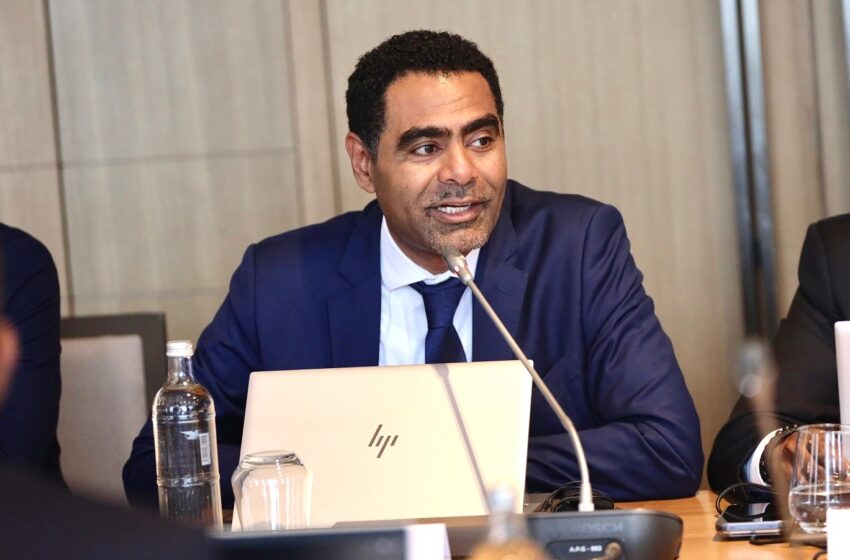
Football Kenya Federation (FKF) offices at the Goal Project in Kasarani remain the center of a high-stakes power struggle, even as legal developments offer a temporary reprieve for the federation’s leadership.
Despite the Sports Disputes Tribunal (SDT) recently granting interim relief to FKF President Hussein Mohamed, blocking his immediate removal, the path ahead remains perilous.
Experts argue that securing a court injunction is far from a final victory, as the embattled president still faces mounting legal and regulatory pressure.
The Looming Shadow of Corruption Investigations
The temporary injunction, issued by the tribunal on Monday, April 27, 2026, halts the implementation of resolutions passed on April 24 that sought to oust Mohamed.
Deputy Chairperson Allan Owinyi acknowledged the gravity of the situation, noting its potential to destabilize the sport. However, this legal shield does nothing to address the aggressive probe initiated by the Ethics and Anti-Corruption Commission (EACC).
Seven anti-corruption officers recently descended upon the federation’s headquarters, demanding comprehensive access to sensitive documentation. They are targeting financial records spanning the 2024–2026 period, lists of pre-qualified procurement partners for 2025–2027, and extensive tender files. This investigation into alleged misappropriation of Sh42 million in CHAN funds represents a separate, criminal-leaning challenge that standard sports tribunal injunctions cannot easily neutralize.
FIFA Scrutiny and the Question of Legitimacy
Beyond the domestic investigations, the threat from global football’s governing body, FIFA, is intensifying. FIFA has officially requested detailed documentation regarding the controversial National Executive Committee (NEC) meeting that triggered the initial suspension.
Requirements include proof of a proper quorum, authentic voting records, and evidence that all affected officials were granted due process. FIFA’s intervention signals that the federation’s legitimacy is under an international microscope. If the global body finds that internal governance standards were breached, Hussein Mohamed may face severe sanctions regardless of any local court rulings.
The complexity of the situation is further highlighted by the contradictory atmosphere within the federation. While Mohamed maintains his position, his legitimacy is being actively challenged by stakeholders and opposing factions.
The court-ordered timeline is aggressive, with pleadings due by April 29 and a follow-up mention scheduled for May 5. This rapid pace suggests that the tribunal is aware of the urgency, yet it also means the president has very little time to consolidate his position or prove his innocence regarding the alleged financial misconduct.
Uncertainty hangs heavy over the football fraternity, particularly regarding the upcoming 2027 Africa Cup of Nations (AFCON) preparations. Kenya is set to co-host the tournament alongside Uganda and Tanzania, and the current governance crisis threatens to derail progress on key infrastructure and logistical commitments.
Sponsors and regional partners are reportedly monitoring the situation closely, fearing that the leadership instability could lead to a loss of hosting rights or financial withdrawal.
Ultimately, while the Sports Disputes Tribunal has provided a momentary pause in the removal process, Hussein Mohamed remains firmly under the spotlight. The convergence of an active corruption investigation, intense scrutiny from Zurich, and ongoing internal resistance means he is far from being off the hook. Future developments in the coming weeks will determine whether the current leadership can survive the storm or if the federation faces a total overhaul.

