Kenya Global Health Sovereignty Standoff Exposes Foreign Biocontainment Risks

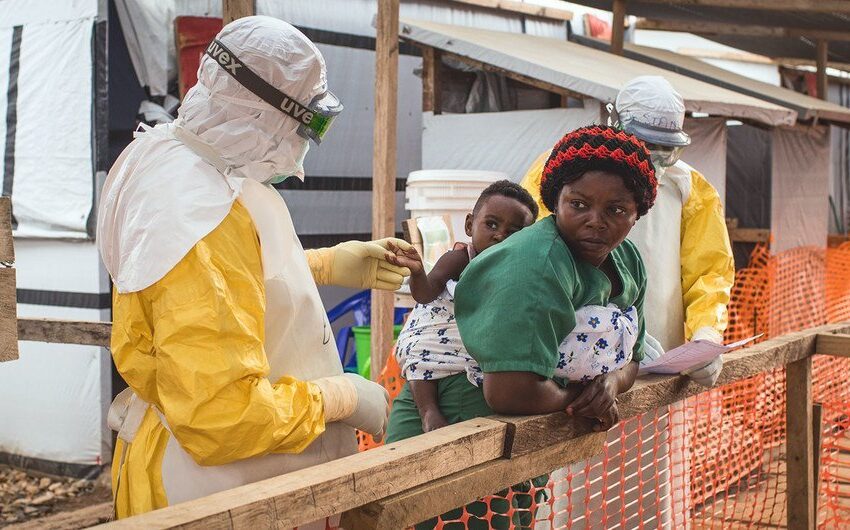
Transnational medical agreements frequently highlight a complex tension between international security priorities and local constitutional law. The legal intervention surrounding a proposed foreign-backed isolation hub inside Kenyan borders illustrates this systemic friction. When wealthy nations attempt to establish containment facilities for highly infectious pathogens within developing territories, the arrangements often trigger deep concerns regarding institutional autonomy and administrative transparency.
Treating global health crises as purely military or logistical matters frequently overlooks the robust legal guardrails built into modern democratic constitutions. Public interest litigation continues to challenge executive privileges, establishing that even high-level international security pacts must submit to domestic regulatory reviews. This shifting landscape marks a departure from historic foreign aid models, replacing unilateral executive decisions with strict requirements for institutional accountability and public consent.
Constitutional Law Challenges Transnational Infectious Disease Management Frameworks
The core of recent institutional disputes lies in the fundamental right to public participation. International treaties established without legislative oversight or citizen engagement face severe challenges under modern governance structures. Academic and legal analysts argue that bypassing domestic stakeholders during the planning stages of high-consequence biological facilities creates profound institutional instability.
Read Also: Top Comoros Official Hospitalized in Nairobi Amid Rising Tensions in Moroni
Judicial systems increasingly act as vital barriers against administrative overreach by enforcing strict adherence to regulatory protocols. When a state organ attempts to establish high-containment zones without open public debate, the courts often utilize conservatory orders to maintain safety and uphold the rule of law. This legal trend forces international partners to modify their diplomatic approaches, ensuring that future collaborations prioritize transparent governance alongside biological safety.
Postcolonial Healthcare Dynamics Impact Bilateral Medical Infrastructure Investments
The Geopolitical Divide in Bio-Preparedness
Biocontainment facilities expose the deep global divide regarding how international medical systems handle hazardous pathogens. Industrialized nations frequently attempt to establish offshore isolation centers near active outbreak zones to shield domestic populations from potential exposure. This strategy often faces strong resistance from local professional bodies, who view the externalization of high-consequence health risks as an unfair policy double standard.
Domestic medical associations argue that utilizing developing infrastructure to contain lethal pathogens threatens the security of host populations. Local healthcare providers often manage systemic underfunding, structural equipment shortages, and persistent staffing deficits, making the introduction of exotic biological hazards highly unpopular. True equity in global medical networks requires balanced investment in everyday public clinical capacity rather than the isolation of specialized foreign projects.
Disagreements Within Technical Advisory Organizations
Friction over offshore containment facilities also exists within major international health defense institutions. Technical research teams and field experts often point out that temporary military installations cannot replicate the sophisticated, multi-layered critical care systems developed within western countries.
Field workers note that establishing isolated containment hubs away from advanced healthcare support structures compromises patient outcomes. The lack of expert consensus among global health specialists indicates that political and defense agendas occasionally outpace scientific and medical realities during international planning.
Emerging Pathogen Containment Facilities Create Complex Legal Jurisdiction Disputes
The comparative matrix below outlines how different institutional entities view the legal, ethical, and operational factors surrounding foreign-financed biological safety installations.
| Analysis Criteria | Foreign Defense Agencies | Domestic Medical Unions | Judicial & Civil Regulators |
| Primary Objective | Rapid regional containment of potential transmission vectors | Protection of internal hospital networks and local workers | Enforcement of national legal sovereignty and transparency |
| Risk Evaluation | Manageable through strict military transport protocols | Extreme threat of accidental community exposure and outbreak | Severe breach of statutory constitutional procedure |
| Operational Control | External specialist management with minimal domestic review | Collaborative governance with local oversight and integration | Full subordination to domestic health and safety laws |
| Resource Focus | Temporary financing for specific isolation infrastructure | Sustainable long-term capital support for public clinics | Comprehensive institutional auditing and accountability |
Structural Aid Reductions Reshape East African Public Health Financing Systems
Shifts in Bilateral Development Assistance
The establishment of foreign-funded medical projects often occurs during shifts in long-term financial aid agreements. Major international partners frequently reduce direct development assistance, requiring emerging nations to assume greater financial responsibility for their own public healthcare systems.
These structural funding drops create severe fiscal pressures for local administrations, occasionally forcing them to accept high-risk health initiatives to secure minimal infrastructure grants. Financial analysts warn that relying on transactional emergency funding to compensate for long-term development deficits leaves national health security vulnerable to shifting foreign priorities.
The True Cost of Managing Biological Hazards
Operating high-containment medical structures involves substantial, long-term capital investments that go far beyond initial construction expenses. Specialized negative-pressure ventilation systems, continuous personal protective equipment supply chains, and specialized biological waste treatment facilities demand ongoing funding.
When public clinical systems operate under chronic deficits, any accidental community exposure risks overwhelming local containment capabilities. Temporary financial injections tied to foreign defense interests rarely build the sustainable medical infrastructure required to safeguard host populations over time.
Read Also: Rio Ferdinand To Open International Doors For Arusha Through AFCON 2027
Reforming International Health Regulations and Sovereign Protections
The ongoing evolution of international health policy requires a complete overhaul of how bilateral emergency responses are structured. Future health security models must look past temporary crisis responses and focus on strengthening the core capacities of local public systems. Independent structural inspections, open legislative debates, and mandatory environmental impact reviews must become standard prerequisites for all international agreements.
True health security cannot be achieved by externalizing risk or creating unequal policy double standards between nations. International partnerships must rest upon absolute legal transparency, mutual respect for institutional sovereignty, and sustainable funding models. Only by treating developing health systems as equal, autonomous partners can the global community build resilient frameworks capable of managing emerging biological threats.