
How Kenya is Erecting Bulletproof Shield to Prevent Importation of Ebola

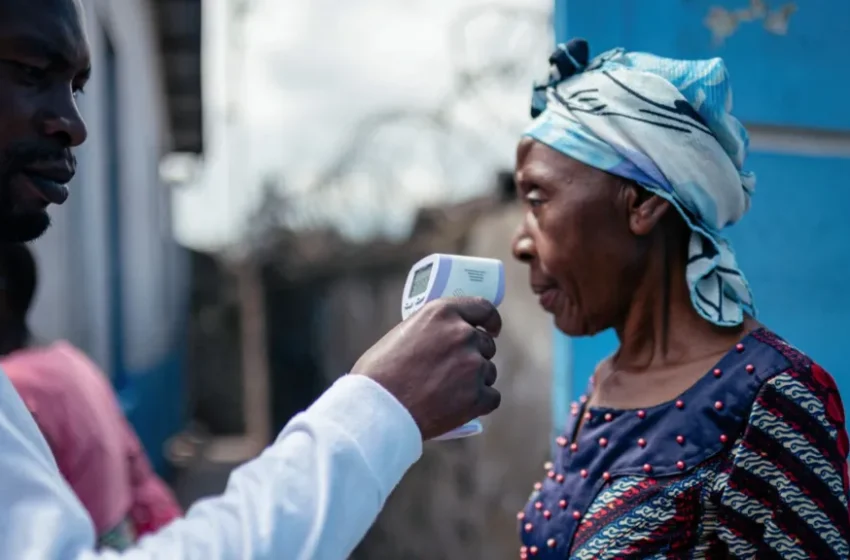
Health Cabinet Secretary Aden Duale has confirmed that the Kenyan government is now on high alert, rolling out aggressive nationwide surveillance and readiness protocols to block the Ebola Virus Disease (EVD) from crossing its borders.
The aggressive posture underscores a proactive approach to health security, transforming borders, transport hubs, and local communities into an interlocking defense network designed to neutralize the lethal pathogen before it establishes a foothold.
The strategic deployment of these measures follows a worsening outbreak of the disease in parts of the Democratic Republic of Congo (DRC) and Uganda. This regional surge involves the highly dangerous Bundibugyo strain, characterized by high cross-border mobility and a current lack of licensed vaccines or approved therapeutics.
Recognizing the threat, the World Health Organisation (WHO) declared the situation a Public Health Emergency of International Concern on May 16, 2026, while the Africa Centres for Disease Control and Prevention classified it as a Public Health Emergency of Continental Security.
Kenya moved swiftly from standard monitoring to an active, wartime-footing health defense system to protect its citizens from potential transmission.
Why is the current regional connectivity a major concern?
“I wish to reassure all Kenyans that, as of today, Kenya has not reported any Ebola Virus Disease case linked to the current outbreak. However, given Kenya’s close regional connectivity through road, air, trade, and population movement, the Government has activated enhanced surveillance and preparedness measures across the country,” Duale said.
Rather than resorting to economically damaging blanket quarantines, the Ministry of Health has implemented an advanced, risk-based screening framework. At the heart of this containment strategy is a comprehensive monitoring mechanism at all points of entry.
More than 34,500 travellers, including 18,552 international travellers, 5,848 local travellers, and 2,514 truck drivers had already undergone screening as of May 18, 2026. By integrating digital technology, such as an online passenger surveillance system and real-time population mobility mapping, health officials can track transit patterns and pinpoint high-risk individuals moving through volatile border regions.
How is the government activating its emergency infrastructure?
To orchestrate this massive operation, the Ministry of Health, through the Kenya National Public Health Institute, activated its Incident Management System. This command structure synchronizes efforts between national agencies and local county governments, ensuring that emergency response units mirror each other across the country.
Public Health Emergency Operations Centres have transitioned to high-alert status, and specialized Rapid Response Teams are on a 24-hour standby to isolate and investigate any anomalies.
Diagnostic resilience is another pillar of Kenya’s defense infrastructure. The state has fortified its testing capabilities across key installations, including dedicated molecular testing facilities at the Kenya Medical Research Institute (KEMRI) laboratories in Nairobi and Kisumu. Advanced diagnostic frameworks at the National Public Health Laboratory ensure rapid sample processing, while deployable mobile laboratory platforms are positioned along critical border corridors for on-the-spot verification.
What role do communities and clinical readiness play in defense?
Beyond borders and laboratories, the containment strategy relies heavily on local communities and frontline healthcare workers. In partnership with the Kenya Red Cross Society, the government is mapping ambulance capacities across high-risk counties to guarantee swift and secure transport. Simultaneously, private healthcare institutions are tightly integrated into the national reporting system to prevent any delayed detection, which could prove catastrophic given the virulence of the Bundibugyo strain.
Public awareness campaigns serve as the final, crucial line of defense. Thousands of Community Health Promoters have been deployed to sensitize the public, while the ministry actively collaborates with digital influencers, telecom operators, and mainstream media to distribute verified health facts.
By maintaining high transparency and providing instant access to emergency updates via public hotlines, Kenya is effectively mitigating panic and misinformation, ensuring the entire nation remains vigilant, educated, and thoroughly prepared.

