
AFCON 2027: Musonye Steps Up Pressure as CAF Deadline Nears


Kenya’s AFCON 2027 Local Organising Committee (LOC) is stepping up preparations for the continental tournament, with chairman Nicholas Musonye placing infrastructure, security and CAF compliance at the centre of the country’s hosting plans.
Musonye has continued to oversee preparations as Kenya gets ready to co-host the 2027 Africa Cup of Nations alongside Uganda and Tanzania.
The tournament will provide East Africa with a major opportunity to showcase its sporting facilities, hospitality and organisational capacity to the rest of the continent.
Read Also: Top Comoros Official Hospitalized in Nairobi Amid Rising Tensions in Moroni
The former CECAFA Secretary General has been closely involved in efforts to coordinate the various stakeholders tasked with delivering Kenya’s share of the tournament. His latest inspection of the ongoing works at Raila Odinga Stadium comes at a critical stage of the preparations, with CAF requirements remaining a major focus.
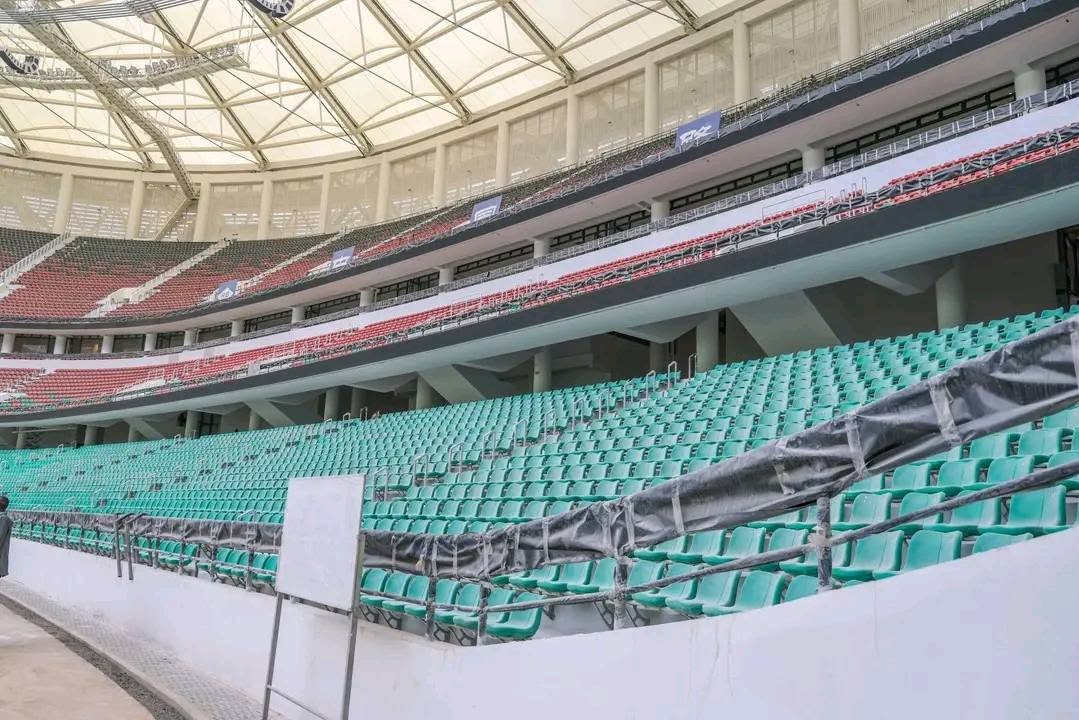
“I conducted a routine inspection of the ongoing works at Raila Odinga Stadium (Talanta Sports City) to assess progress and ensure we remain on track to meet CAF timelines,” he wrote.
“I am pleased with the significant progress made so far, which reflects the commitment of all stakeholders involved. We remain focused on delivering a world-class facility that will meet international standards and successfully host major continental competitions.”
Musonye Monitors Talanta Stadium Progress
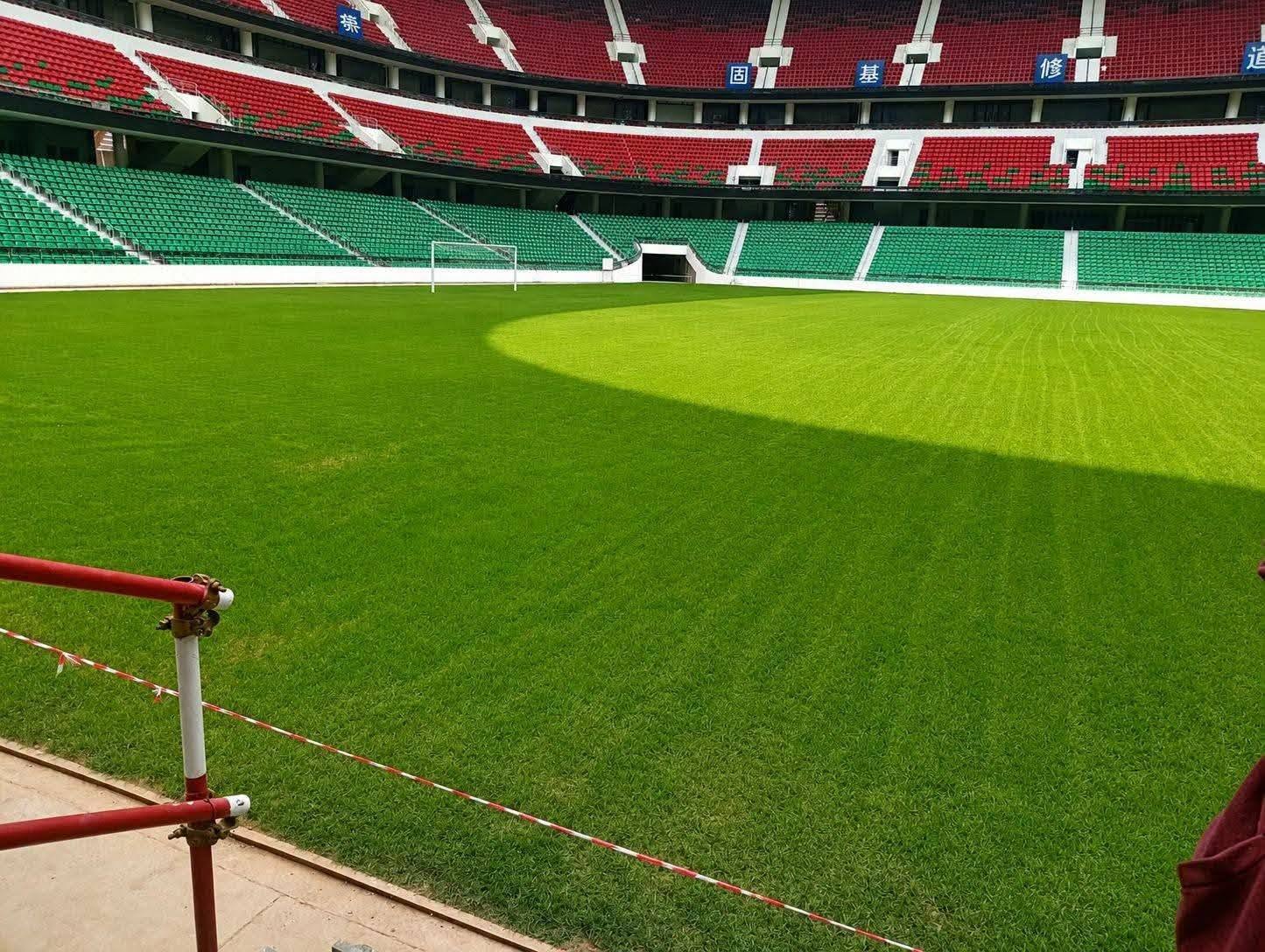
Raila Odinga Stadium, also known as Talanta Sports City, is expected to play a central role in Kenya’s AFCON 2027 plans. The facility is being developed at Jamhuri Sports Ground in Nairobi and is among the major infrastructure projects expected to demonstrate Kenya’s readiness to host matches at the tournament.
The stadium has attracted significant attention because of its scale and importance to the country’s hosting plans. Its completion will not only provide a venue for AFCON matches but also leave Kenya with a major sporting facility capable of hosting international competitions beyond 2027.
Musonye’s inspection was aimed at assessing the progress of the works while ensuring that the project remains aligned with the timelines required by the Confederation of African Football. Regular monitoring will be important as Kenya moves closer to the tournament.
CAF’s requirements cover more than the appearance of a stadium. Host venues must be capable of supporting international-standard football, broadcasting, security operations, media activities, spectator management and other services required during major continental competitions.
The LOC therefore faces the task of ensuring that construction progress translates into full operational readiness. A completed structure alone will not be enough if the systems required to host players, officials, supporters and international media are not functioning to the required standards.
Read Also: Kenyan marathoner remanded over Ksh8 million land fraud case
Raila Odinga Stadium is expected to become one of the most recognisable symbols of Kenya’s preparations. The facility will be under close scrutiny as CAF assesses the country’s ability to deliver its hosting commitments.
The playing surface, spectator facilities, media areas, security arrangements, technology and other supporting infrastructure will all form part of the preparations. Every element must work together before the tournament begins.
Kenya’s wider infrastructure programme also includes improvements to existing facilities that could support teams and officials during the tournament. Training grounds, accommodation, transport links and other facilities will need to operate efficiently throughout the competition.
Musonye’s role places him at the centre of efforts to bring together government agencies, football administrators and other stakeholders. The LOC must maintain communication across these different departments to ensure that deadlines are met and emerging challenges are addressed early.
The tournament will also require close cooperation between Kenya, Uganda and Tanzania. Each country has its own infrastructure and logistical responsibilities, but the three hosts will ultimately be judged on their ability to deliver a coordinated continental event.
Security Becomes Key Priority
Security planning has equally taken centre stage, with the tournament set to coincide with Kenya’s general election campaigns in August 2027.
The timing creates an additional responsibility for the LOC and government agencies involved in the preparations. Kenya will need to balance the demands of a major international sporting event with the heightened security and logistical requirements that normally accompany an election period.
Thousands of supporters, players, officials, journalists and visitors are expected to travel across the host countries during AFCON 2027. Security planning will therefore have to cover stadiums, training grounds, hotels, airports, major roads and other locations likely to attract large crowds.
Read Also: Ngemi Festival 2026: Theme, Venue, Date and Everything You Need to Know
Coordination between the LOC and security agencies will be essential. Police, intelligence agencies, emergency response teams, medical personnel and other relevant institutions will need clearly defined responsibilities before the tournament begins.
The security operation will also have to take into account the movement of teams and officials between venues. Efficient transport arrangements will be important to ensure that participating nations can move safely and on schedule.
Fan management will form another important part of the preparations. Large football tournaments can attract supporters from different countries, creating the need for effective crowd-control measures, clear communication and properly managed entry and exit points.
The LOC will also need to prepare for emergencies that could affect tournament operations. Medical response, disaster management and evacuation procedures must be tested well before the first match is played.
Kenya’s experience hosting international sporting events will provide useful lessons, but AFCON represents a significantly larger challenge. The tournament will attract a continental audience and place Kenya’s organisational capacity under intense scrutiny.
Musonye has the responsibility of ensuring that the LOC remains focused on the various requirements while maintaining coordination among the different stakeholders. His experience in regional football administration could prove important as the committee moves from planning to implementation.
The LOC’s work extends beyond stadium construction. Accommodation, transport, ticketing, accreditation, broadcasting, tourism, hospitality and media operations will all contribute to the success of the tournament.
Government ministries and agencies will therefore have to maintain momentum as preparations progress. Delays in one area could create pressure in another, making coordination one of the most important responsibilities facing the organising committee.
Kenya’s tourism sector is also expected to benefit from the tournament. Thousands of visitors could arrive in the country during the competition, creating opportunities for hotels, restaurants, transport operators and other businesses.
A successful tournament could strengthen Kenya’s reputation as a destination for major sporting events. The country has previously hosted international athletics and football competitions, but AFCON 2027 presents a much larger platform.
The tournament could also leave a lasting legacy for Kenyan football. Improved stadiums, training facilities and other sporting infrastructure would provide benefits beyond the competition if they are properly maintained and utilised after 2027.
The success of that legacy will depend partly on how the facilities are managed once the tournament ends. Kenya will therefore have to look beyond the immediate deadlines and consider how the new infrastructure can support local sport for years to come.
CAF inspections will remain an important part of the process. The governing body will assess whether venues and other facilities meet the standards required to stage matches at the Africa Cup of Nations.
Kenya cannot afford to lose momentum at this stage. Every deadline provides an opportunity to identify problems, make corrections and demonstrate that the country remains capable of fulfilling its hosting responsibilities.
Musonye’s inspection of Raila Odinga Stadium underlines the importance of keeping the projects under constant review. Progress on the ground must be matched by detailed planning in areas that may not be as visible to the public.
The LOC will also need to maintain regular engagement with CAF as preparations continue. Early communication can help identify areas requiring attention and reduce the risk of last-minute challenges.
Read Also: Rio Ferdinand To Open International Doors For Arusha Through AFCON 2027
Uganda and Tanzania face similar responsibilities on their side of the hosting arrangement. Their progress will also be closely monitored because the tournament will ultimately depend on the three countries delivering a unified event.
Kenya’s challenge is therefore not simply to finish a stadium. The country must build a complete tournament operation capable of meeting the expectations of CAF, participating teams and supporters.
Musonye’s latest assessment provides a glimpse into the LOC’s approach as the preparations gather pace. The committee is expected to continue monitoring infrastructure projects while working with relevant stakeholders on security and other tournament requirements.
The pressure will increase as the competition approaches. Infrastructure deadlines, security planning and operational preparations will all require sustained attention if Kenya is to avoid setbacks.
Raila Odinga Stadium remains one of the biggest tests of that readiness. Its successful completion and certification would represent a major step towards Kenya fulfilling its responsibilities as one of the three AFCON 2027 hosts.
The LOC will now have to ensure that the progress highlighted by Musonye continues across every area of preparation. Kenya’s objective is to deliver a tournament that satisfies CAF requirements while giving supporters across Africa a memorable experience.
AFCON 2027 represents an opportunity for Kenya to make a statement on the continental stage. Musonye and the LOC will be expected to turn the plans into reality, keep stakeholders accountable and ensure that the country is ready when the tournament arrives.