
How African Football Is Challenging World Football Powers

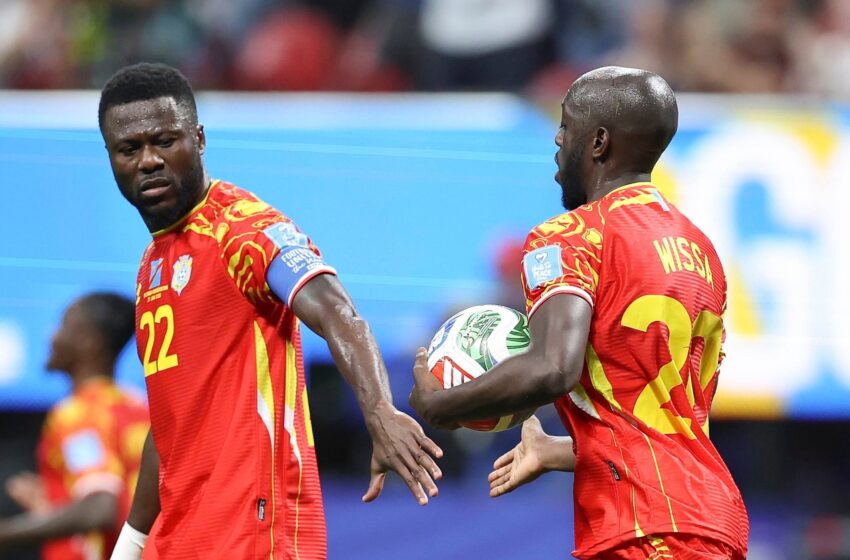
FIFA/FIFA via Getty Images)
African football is delivering its strongest World Cup performance ever, highlighting years of investment in youth academies, coaching, domestic leagues, and football infrastructure. Nine of the continent’s ten representatives progressed beyond the group stage, a dramatic improvement from recent tournaments. The results reflect structural changes rather than short-term momentum. Countries including Morocco, Senegal, Ghana, Algeria, Egypt, and Ivory Coast have strengthened player development systems while improving coaching standards and professional competitions. Their progress is reshaping global football and demonstrating that long-term planning can close the competitive gap with traditional football powers.
Also Read: 5 Notable Breakout Stars From 2026 FIFA World Cup So Far
African Football World Cup Performance Shows Dramatic Improvement
The contrast between recent World Cup tournaments tells a compelling story.
While African nations struggled collectively in previous editions, the latest tournament has produced unprecedented success, with nearly every African representative advancing beyond the group stage.
This improvement cannot simply be explained by the expanded tournament format. Teams still needed tactical discipline, squad depth, and consistency to earn qualification from their groups.
Several African nations demonstrated all three qualities throughout the opening phase.
World Cup Performance Comparison
| Tournament | African Teams | Teams Reaching Knockout Stage | Overall Trend |
|---|---|---|---|
| 2018 | 5 | 0 | Major disappointment |
| 2022 | 5 | 2 | Significant progress |
| 2026 | 10 | 9 | Historic breakthrough |
The numbers illustrate more than improved results. They reflect a continent whose football infrastructure has steadily matured.
Morocco Blueprint Changed African Football
Much of Africa’s recent success traces back to Morocco’s long-term football strategy.
Rather than focusing only on the senior national team, Moroccan football authorities invested heavily in youth development, elite coaching, modern facilities, and player identification.
Those investments required patience.
Years before Morocco reached the World Cup semifinals, the country was already building training centers, strengthening domestic competitions, and creating pathways for young players.
That long-term planning has inspired other football associations across Africa.
Instead of searching for quick fixes, many federations are increasingly prioritizing sustainable development.
Youth Development Is Becoming Africa Biggest Advantage
The modern game rewards countries that consistently develop technically gifted players.
African football federations have recognized this shift.
Across many countries, football academies have expanded while coaching standards continue improving.
Young players now receive better tactical education than previous generations.
Professional clubs are also investing more in sports science, nutrition, medical support, and performance analysis.
Together, these improvements help players transition more effectively into elite international football.
Key Drivers Behind African Football Success
| Development Area | Impact |
|---|---|
| Youth academies | Better player development |
| Coaching education | Improved tactical discipline |
| Professional leagues | Higher competitive standards |
| Modern facilities | Enhanced training quality |
| Sports science | Better fitness and injury prevention |
Expanded World Cup Created Opportunity But Not Success
Some observers argue that FIFA’s expanded World Cup format explains Africa’s achievements.
While additional qualification places certainly increased representation, they do not fully explain the continent’s strong performances.
Every team still had to compete successfully over multiple matches.
Advancing from the group stage required tactical organization, defensive discipline, efficient finishing, and mental resilience.
Those qualities cannot be awarded through tournament expansion alone.
Interestingly, Asia received additional qualification opportunities as well, yet produced significantly fewer teams progressing beyond the group stage.
That comparison suggests preparation mattered far more than tournament format.
Domestic Football Investment Is Finally Paying Off

For decades, many African countries relied almost entirely on players developed overseas.
That model limited long-term growth.
Today, domestic leagues are becoming stronger.
Better-managed clubs provide young footballers with professional environments before they move abroad.
Improved league standards also increase competition for national team selection.
As broadcasting revenues gradually increase and private investment enters African football, more clubs are able to improve infrastructure.
Although financial challenges remain, the direction of travel is encouraging.
African Coaches Are Becoming More Competitive
Coaching standards have improved dramatically across the continent.
National federations increasingly encourage coaches to obtain internationally recognized qualifications.
Many now combine local knowledge with modern tactical approaches.
African teams no longer rely solely on athleticism.
Instead, they demonstrate sophisticated defensive structures, intelligent pressing systems, flexible formations, and greater game management.
These tactical improvements have narrowed the gap with traditional football powers.
Also Read: Rio Ferdinand To Open International Doors For Arusha Through AFCON 2027
Economic Benefits Extend Beyond Football
Successful national teams generate economic value.
International tournaments increase tourism visibility, attract sponsorship deals, and encourage private investment in sports infrastructure.
Football success also creates employment opportunities through coaching, sports management, broadcasting, event organization, and youth development.
Governments increasingly recognize football as part of the broader sports economy.
Investment in football therefore produces both sporting and economic returns.
African Players Continue Strengthening Elite European Clubs
African football’s growing influence is also visible across Europe’s biggest leagues.
Players from Morocco, Senegal, Ghana, Ivory Coast, Algeria, Egypt, DR Congo, South Africa, and several other nations compete regularly in elite competitions.
That experience strengthens national teams.
Players arrive at major tournaments accustomed to high-pressure matches against world-class opponents.
As more young African footballers receive quality development at home before moving abroad, the talent pipeline continues expanding.
Challenges Still Remain
Despite impressive progress, important challenges remain.
Some domestic leagues continue facing financial instability.
Governance standards vary considerably between federations.
Infrastructure gaps still exist in several countries.
Grassroots football requires sustained investment to maintain momentum.
Women’s football also deserves greater funding to ensure balanced growth across the sport.
Long-term success will depend on continued reforms rather than short-term celebrations.
Can Africa Produce A World Cup Champion
The question no longer appears unrealistic.
African teams have shown they can defeat established football nations.
The next challenge is maintaining consistency throughout the knockout rounds against the world’s strongest opponents.
Winning a World Cup requires exceptional squad depth, tactical flexibility, and resilience over seven demanding matches.
Africa has not yet reached that stage consistently, but the gap is becoming smaller with every tournament.
What Other Continents Can Learn
Africa’s football transformation demonstrates that sustainable investment delivers better results than reactive decision-making.
Countries that prioritize coaching education, youth academies, professional leagues, and governance reforms create stronger football ecosystems over time.
The lesson extends beyond football.
Long-term planning often produces more durable success than short-term spending.
What Comes Next
African football has moved beyond the stage of merely producing gifted individuals. It is now building complete football systems capable of competing with the world’s best. The continent’s impressive World Cup performances represent the culmination of years of planning, investment, and institutional reform rather than a fortunate run of results. While significant challenges remain, Africa has established itself as one of the fastest-rising forces in international football. If current development trends continue, future World Cups may no longer treat African success as an upset but as an expectation.